Study Links Long-Term PM2.5 Exposure to Kidney Function Decline in Indian Cities
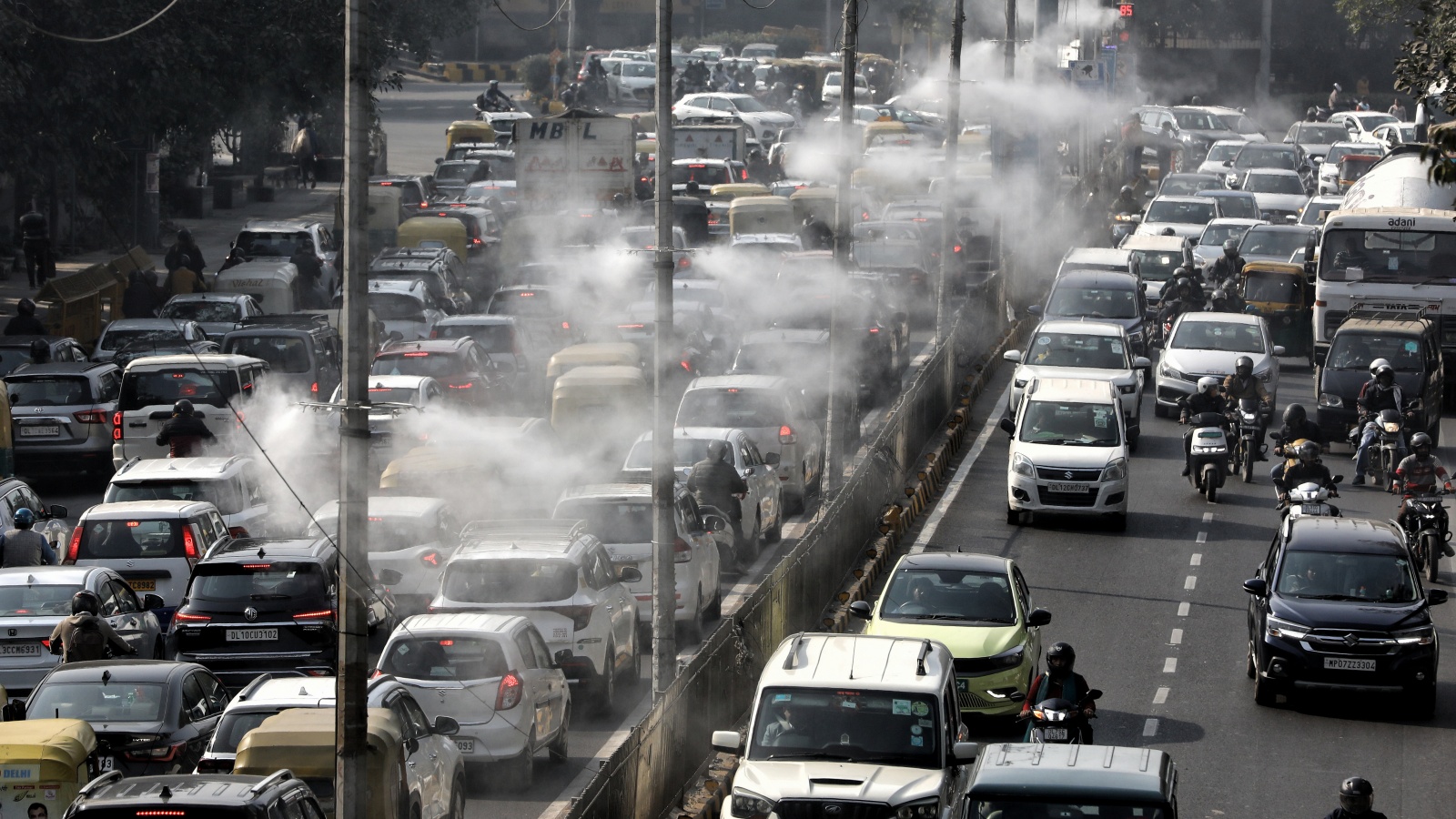
A new study adds to growing evidence that air pollution harms more than just the lungs. Researchers found that prolonged exposure to fine particulate matter (PM2.5) is associated with reduced kidney function, even in younger adults without pre-existing kidney disease. The findings, published in Kidney International Reports, are based on data from over 12,000 participants in Delhi and Chennai tracked for six to ten years.
The study, led by Dr V Mohan of Dr Mohan's Diabetes Specialties Centre in Chennai and Dr Dorairaj Prabhakaran of the Centre for Chronic Disease Control, measured estimated glomerular filtration rate (eGFR), a key indicator of kidney health. Participants in Delhi, which has significantly higher PM2.5 levels (average 118-130 μg/m³) than Chennai (30-37 μg/m³), had a lower baseline eGFR (106.4 vs 112 mL/min/1.73 m²). The decline was also steeper: every 5 μg/m³ increase in annual PM2.5 corresponded to a 0.42 drop in eGFR in Delhi residents and 0.32 in Chennai residents.
“The association remained consistent even after controlling for other risk factors like diabetes and hypertension,” said Dr Mohan. “This suggests air pollution independently affects kidney function, not just through these common diseases.” The study is part of a series examining pollution's links to hypertension, diabetes, and dyslipidemia.
India is home to 143 million people with chronic kidney disease, many living in areas with high PM2.5 exposure. The authors emphasize that curbing air pollution is critical alongside managing diabetes and hypertension. “This adds to the evidence that particulate matter harms multiple organs, reinforcing the need for stronger policies,” Dr Mohan added.
The researchers hypothesize several mechanisms: systemic inflammation, oxidative stress, blood vessel dysfunction, and direct particle entry into the bloodstream affecting kidneys. Dr Prabhakaran noted that even a 4% annual decline in kidney function could accelerate age-related damage if starting from a lower baseline.
The study's authors call for urgent action to reduce air pollution, both to protect respiratory health and to prevent kidney disease in millions of Indians.







