Student Health Identified as Key to India’s Nation-Building Goals
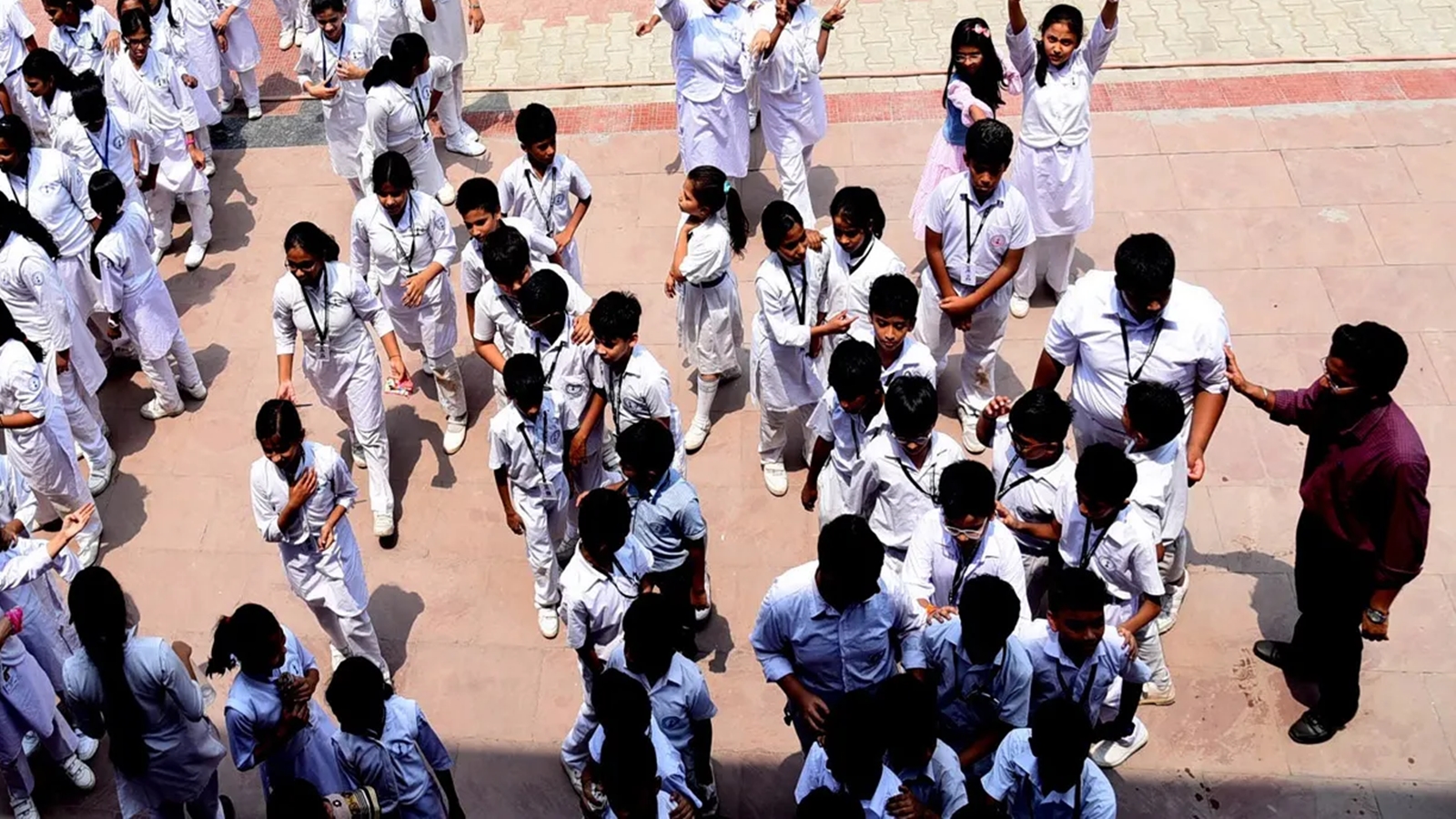
Across India, the morning scene outside many schools often reveals health challenges lurking among students. A child finishing a packet of chips before assembly, another rubbing tired eyes after a late-night screen session, a girl anxious about her body due to a teasing remark—these are not isolated incidents. Educators and health professionals note that such patterns reflect a growing crisis in student well-being, one that threatens to undermine the nation’s long-term development.
Poor dietary habits are a primary concern. Consumption of ultra-processed foods and sugary drinks has risen sharply among schoolchildren, contributing to a dual burden of malnutrition and obesity. Nutritionists warn that these trends lead to lifestyle diseases like diabetes and hypertension at younger ages, hampering both physical growth and cognitive performance.
Excessive screen time compounds the problem. Beyond impacting eyesight and posture, prolonged device use often disrupts sleep cycles and reduces physical activity. Mental health experts link high screen exposure to increased anxiety, attention deficits, and social isolation among adolescents. The habit of mindless scrolling, they say, can rob children of sleep, play, and real-world interaction—all essential for healthy development.
Body image issues and bullying further erode self-esteem. Insensitive comments about weight or appearance can trigger lasting psychological trauma. With social media amplifying unrealistic standards, many students grapple with dissatisfaction and depression. Psychologists stress that a supportive environment, free from mockery, is vital for emotional resilience.
Physical fitness is also declining. Simple tasks like running for five minutes leave many children breathless, highlighting a deficit in cardiovascular endurance. A sedentary lifestyle, coupled with academic pressure that sidelines sports, means the next generation may be unready for the rigours of a competitive world—or even for national service and athletic excellence.
India’s demographic dividend—its youth bulge—is often hailed as an engine for economic growth. But this potential can only be realised if the youth are healthy in body and mind. Public health experts point out that a workforce weakened by early onset of non-communicable diseases will drag down productivity and increase healthcare costs. The dream of a Viksit Bharat, they argue, must begin with school-level wellness.
The wisdom of Swami Vivekananda’s call for fearlessness (‘Abhih’) resonates with this challenge. For today’s students, fearlessness includes the courage to resist peer pressure, to choose nutritious food over junk, to prioritise sleep over screens, and to stand up against body shaming. It means making mindful choices even when they are difficult, thus building character alongside health.
Addressing student health demands a multi-pronged strategy. Schools must implement nutrition education, structured physical activity, and anti-bullying policies. Parents need to model balanced behaviour at home. Policy-makers should strengthen health monitoring and regulate the marketing of unhealthy foods to children. Only by placing student well-being at the centre of nation-building can India ensure a fit, productive, and resilient citizenry for the future.