Long hours harming resident doctors' mental health, NMC tells Supreme Court
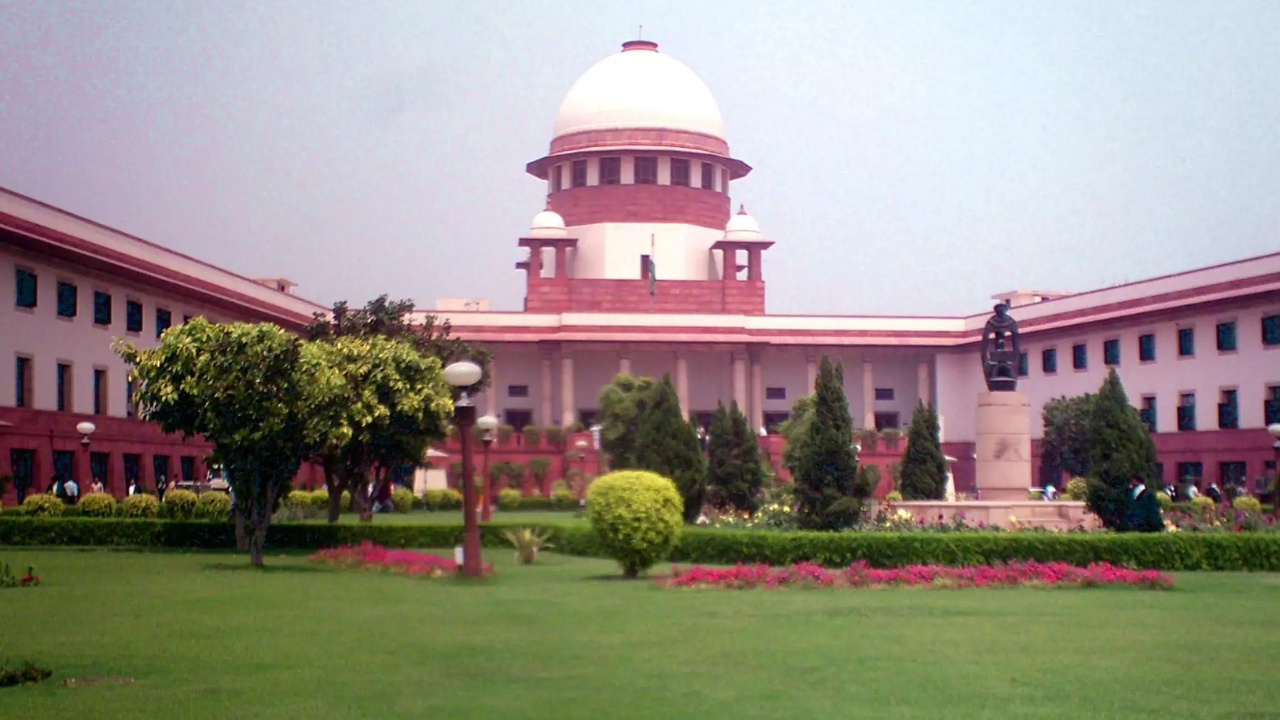
New Delhi: The National Medical Commission (NMC) has informed the Supreme Court that long and exhausting working hours have become a serious challenge for resident doctors, causing them psychological distress and mental health problems. In an affidavit filed in response to a public interest litigation (PIL) by a group of doctors seeking healthy working conditions, the commission emphasised that reasonable working hours and adequate rest are essential for the wellbeing of doctors, as well as for proper patient care.
However, the NMC said it is unable to ensure such conditions, stating that the matter falls within the domain of central and state health authorities. The affidavit placed before the court the findings of an NMC task force, which projected a grim picture of the conditions endured by postgraduate doctors across the country.
“The demanding schedules, including long and multiple 24-hour duties (sometimes 3-5 consecutive duties), were significant stressors for most post graduate doctors. These extended hours without adequate rest led to physical and mental exhaustion, negatively impacting their performance and health,” the commission said, referring to the task force report.
The PIL was filed by the ‘United Doctors Front’, a doctors’ organisation, which demanded healthy working conditions and highlighted a rise in suicides among doctors. The organisation claimed that 150 such cases have been reported in the last five years, pointing to an urgent need for systemic change.
The NMC acknowledged that long duty hours are not only harmful to doctors but also pose a risk to patient safety. It stressed that a well-rested and mentally healthy medical workforce is crucial for delivering quality healthcare. Yet, the regulatory body maintained that it has limited jurisdiction over working conditions in hospitals, which are managed by respective state governments and hospital administrations.
This development comes amid growing concerns about the mental health of medical professionals in India, particularly after the COVID-19 pandemic exacerbated stress and burnout. The Supreme Court is likely to consider the NMC’s response while hearing the PIL, which seeks a directive to fix working hours and ensure adequate rest for resident doctors.
Medical experts have long pointed out that 24-hour shifts and excessive work hours impair cognitive function and increase the risk of medical errors. The issue has also been linked to depression, anxiety, and suicidal ideation among young doctors, making it a matter of public health significance.
The court’s intervention could pave the way for a national policy on duty hours for resident doctors, balancing their training needs with their right to a healthy work environment. The NMC, while expressing its inability to enforce norms, has nonetheless underlined that this is a serious issue requiring immediate attention from health authorities.
As the case proceeds, doctors’ unions and associations are expected to push for stricter regulations and accountability mechanisms. The outcome of this petition may set a precedent for working conditions in the healthcare sector, not just for resident doctors but for all medical professionals.