How Uganda contained Ebola while DR Congo battles worst outbreak
The Ebola outbreak in the eastern Democratic Republic of Congo has become the second-worst on record, with the official death toll passing 1,500. Experts believe the actual number of fatalities since the outbreak was declared in May is significantly higher. In an alarming development, Congolese authorities confirmed on Thursday that the virus is spreading faster than in previous outbreaks.
Adjacent to DR Congo, Uganda presents a starkly different picture. The country reported its first cases in May, but its health minister described a "moment of joy" as the last Ebola patient was discharged from hospital two weeks ago. Uganda recorded just 20 cases and two deaths.
According to Dr Kasonde Mwinga, the World Health Organization's Uganda representative, the low casualty count was not "by luck or chance". "It's because people invested in preparedness," she told the BBC.
This outbreak is the 17th in DR Congo since Ebola was discovered in 1976 near the Ebola River in the country's north. Uganda, by contrast, has experienced nine outbreaks since 2000. Officials there say lessons drawn from past tragedies have enabled them to prevent the disease from spreading unchecked on multiple occasions.
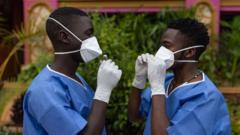
A notable example occurred in 2011, when a 12-year-old girl arrived at a hospital in the central district of Luwero with symptoms that prompted immediate caution. She was isolated, medics donned personal protective equipment, and when she died three hours later her body was carefully sealed in a coffin. Blood samples later confirmed Ebola, but these precautions stopped the virus from reaching others.
"We know Ebola. It's been here a few times, we know how to deal with it," government spokesperson Alan Kasujja told the BBC's Newsday programme.
Uganda's first confirmed case this year was a man from DR Congo who crossed the border seeking treatment. Once health authorities confirmed multiple imported cases, they activated a specialist Ebola treatment centre at Mulago Hospital in Kampala, the capital.
The facility, used during an outbreak last year, still held medical supplies and had an emergency medical team on standby, according to Dr David Kaggwa, the head of the centre. "It was a matter of sorting and ordering a few more supplies, and then actually in one day we were ready to receive the patients. So, it is easy, it's not that we're starting from scratch," he said.
Uganda's success highlights the importance of sustained investment in public health infrastructure and rapid response mechanisms. The country has faced repeated Ebola outbreaks since 2000, and each has strengthened its capacity to handle future emergencies. Precise identification of symptoms, isolation of suspected cases, protective equipment for health workers, and safe burial practices have become routine.
In contrast, DR Congo's outbreak has been complicated by armed conflict in North Kivu and Ituri provinces, making it difficult for health workers to reach affected communities. A lack of trust among local populations has also hindered containment efforts. The World Health Organization and other international bodies have repeatedly called for stronger community engagement and security to end the epidemic.
Experts note that Ebola outbreaks are often unpredictable and require a coordinated response across borders. Uganda shares a long and porous border with DR Congo, and the movement of people persists despite official restrictions. The WHO's Dr Mwinga stressed that Uganda's experience demonstrates that preparedness saves lives, but she also cautioned that no country is immune to a virus that can quickly cross boundaries.
As the outbreak in DR Congo continues to spread, neighbouring nations remain on high alert. Uganda has deployed health teams to strategic border points, set up screening facilities, and conducted public awareness campaigns. These measures, built on years of experience, offer a template for other countries facing the threat of viral haemorrhagic fevers.