Hyderabad Metro Helps Rush Donor Heart and Lungs to Transplant in 25 Minutes
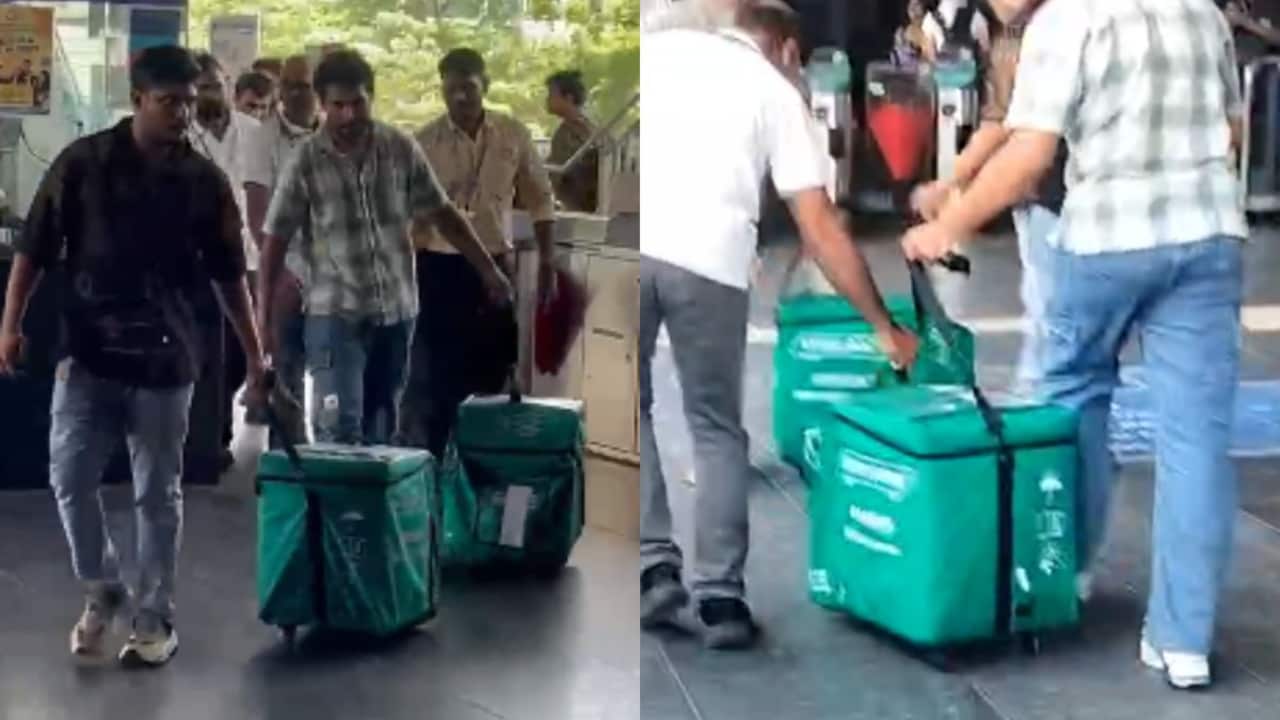
In a coordinated effort that underscored the importance of public infrastructure in emergency healthcare, Hyderabad Metro Rail facilitated the rapid transport of a donor heart and lungs across the city on [day of week], enabling a critical transplant procedure to proceed without delay.
The organs were moved from CARE Hospitals in Gachibowli to KIMS Hospitals on Minister Road, Secunderabad, covering a distance of 14 kilometres by Metro. The journey, which passed through 13 stations, was completed in just 25 minutes — a timeframe considered vital for the viability of the organs.
According to officials, the transfer took place between 11:40 am and 12:05 pm. The Metro network provided a dedicated corridor, allowing medical teams to bypass road traffic and reach the destination well within the safe preservation window for transplant organs.
The operation was the result of close coordination between Hyderabad Metro Rail authorities, doctors at both hospitals, and support staff. Prior planning ensured that the Metro train was held briefly at designated stations, and security personnel were deployed to facilitate smooth movement of the medical team carrying the organs.
Organ transplants are highly time-sensitive. Hearts and lungs, in particular, have a short preservation period — typically four to six hours from retrieval to implantation. Any delay can reduce the chances of a successful transplant or render the organs unusable.
Medical experts involved in the case noted that using the Metro was a practical alternative to road transport, especially during daytime hours when traffic in Hyderabad can be unpredictable. The Metro's fixed schedule and dedicated tracks offered a reliable and fast option for this life-saving mission.
This is not the first time the Hyderabad Metro has been used for organ transport, but each successful operation highlights the value of cross-sector collaboration in healthcare delivery. Hospitals and emergency services in the city have increasingly explored such partnerships to improve organ transport logistics.
Officials from CARE Hospitals and KIMS Hospitals expressed gratitude to the Metro authorities for their swift response and professionalism. The recipient of the organs is reported to be in stable condition, although no further medical details have been shared publicly, respecting patient privacy.
The incident also draws attention to the broader need for efficient organ transport mechanisms across Indian cities. With rising cases of organ failure and a growing number of transplant procedures, the use of public transit systems, dedicated ambulances, and even air ambulances in critical cases could become more common.
For now, the successful transport of the donor heart and lungs through Hyderabad's Metro stands as an example of how urban infrastructure, when adapted for emergency use, can help save lives. It also reinforces the importance of organ donation, as each donor can potentially save multiple lives through heart, lungs, liver, kidneys, and other tissues.
Health authorities urge citizens to consider registering as organ donors, emphasising that timely and well-coordinated transport systems can make the difference between life and death for those waiting for transplants.