DR Congo Ebola outbreak now largest ever recorded, WHO reports
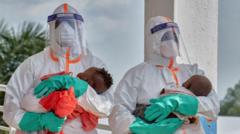
The World Health Organization (WHO) has confirmed that the ongoing Ebola outbreak in the Democratic Republic of Congo (DRC) is the largest in the country's history. As of 30 July, the outbreak has recorded 3,605 confirmed cases, including 1,587 deaths, resulting in a fatality rate of 44 per cent.
The current outbreak is caused by the Bundibugyo strain of the Ebola virus, which was declared on 15 May 2026. This surpasses the previous largest outbreak in the DRC between 2018 and 2020, which recorded nearly 3,500 cases and almost 2,300 deaths.
According to the WHO, the outbreak is intensifying, with sustained transmission and continued increases in reported cases and deaths. In the past week alone, the country recorded its highest weekly total, with 567 new cases and 296 deaths. The WHO warned that these figures underscore “the exceptional pace of transmission” of the virus.
The epicentre of the outbreak is Ituri province in the northeastern part of the country, which borders South Sudan and Uganda. However, the disease has also spread to other regions, including North and South Kivu provinces, where large areas are controlled by the Rwanda-backed M23 armed group.
In a statement, the WHO said, “Factors like insecurity, population displacement, and cross-border movement continue to hamper response efforts and increase the risk of further spread.” The convergence of such challenges, it added, complicates response operations and heightens the risk of geographical spread beyond the current affected zones.
Ebola is a severe, often fatal illness that spreads through direct contact with bodily fluids of infected people or animals. Over the past five decades, the disease has killed an estimated 15,000 people across Africa. The current outbreak, however, is caused by the Bundibugyo strain, for which there is no approved vaccine or specific treatment. Scientists in the United Kingdom and Singapore are currently developing vaccines targeting this strain.
Health authorities are facing significant hurdles in containing the outbreak. Insecurity in the eastern DRC, driven by armed group violence, has made it difficult for health workers to reach affected communities. Population displacement, both within the country and across its borders, increases the risk of the virus spreading to neighbouring nations such as Uganda and South Sudan.
The WHO has called for urgent international support to strengthen response efforts. It has emphasised the need for improved surveillance, rapid diagnosis, and community engagement to curb the spread of the disease. The agency has also stressed the importance of cross-border coordination to prevent a wider regional outbreak.
While the current outbreak is the largest recorded in the DRC, the WHO notes that the overall death toll remains lower than in the previous outbreak, reflecting improved clinical care and rapid response measures in some areas. However, the high fatality rate of the Bundibugyo strain and the challenges posed by the operating environment continue to pose a serious public health challenge.
As the international community responds, the focus remains on containing the virus, supporting affected families, and preventing further loss of life. Health officials urge the public to follow preventive measures, including safe burial practices and maintaining hygiene, to reduce transmission.