Scientists Propose Sun-Dimming Technique to Mitigate Super El Niño's Effects
A new study published in the journal Science Advances by researchers at the University of California, San Diego, has proposed a method to reduce the potential impacts of strong El Niño events through solar geoengineering. The technique, known as marine cloud brightening, involves injecting aerosols into the stratosphere to make clouds over the ocean reflect more sunlight, thereby cooling the Earth's surface.
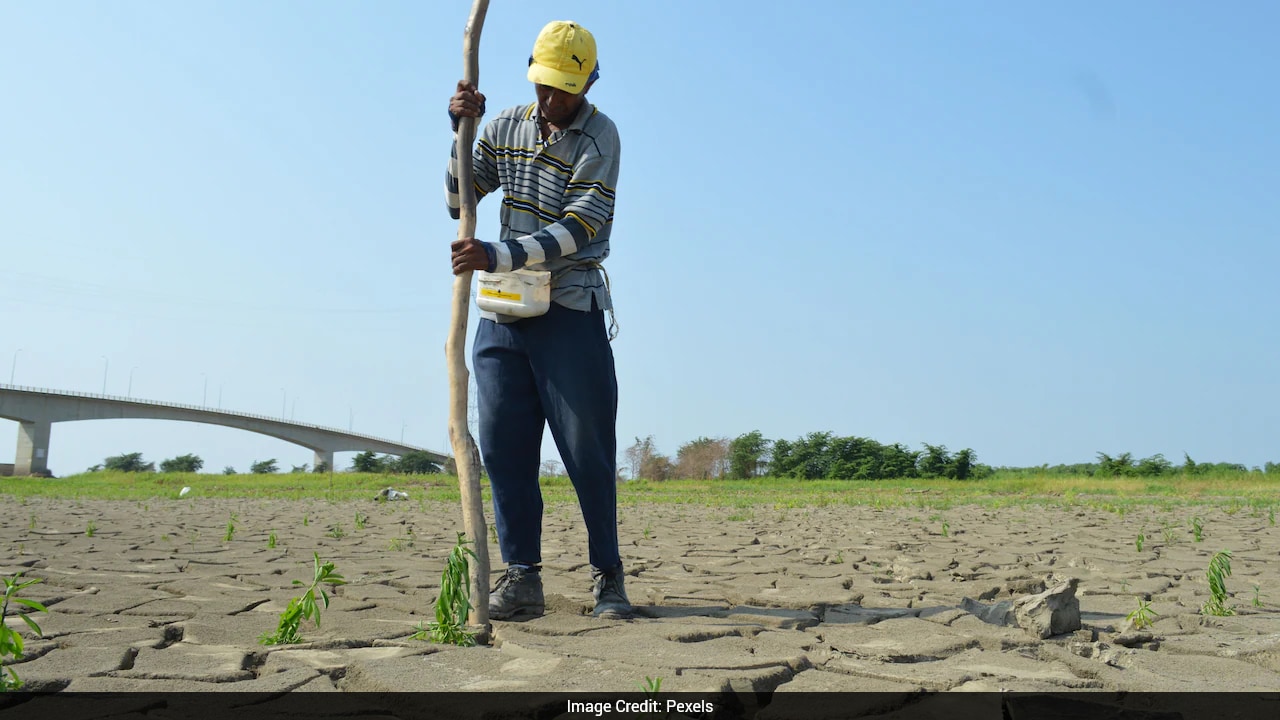
The researchers, led by climate scientist Kate Ricke, suggest that this approach could be targeted at seasonal-to-multiyear events like El Niño, rather than being used continuously. Super El Niño events, characterized by unusually warm surface temperatures in the Pacific Ocean, are linked to extreme weather conditions such as droughts, heavy rainfall, and heatwaves, which can cause significant economic damage.
The study notes that while climate change may exacerbate some effects of El Niño, the World Meteorological Association has stated there is no evidence that climate change increases the frequency or intensity of El Niño events. Nonetheless, the researchers argue that geoengineering could provide a short-term tool to reduce extreme impacts without the need for indefinite application.
To test the idea, the team used simulations based on a 2023 study that observed bushfire smoke aerosols brightening clouds over the Pacific. They modelled the application of the sun-dimming method during the major El Niño events of 2015 and 1997, finding that it could increase cooling and drying effects by up to 40%.
However, the proposal has drawn concerns from other climate scientists. Critics argue that geoengineering could distract from essential measures like reducing carbon emissions and that the side effects of solar dimming are not fully understood. Andrew Dessler, a professor of atmospheric science at Texas A&M University who was not involved in the research, cautioned that models are imperfect and could create unforeseen problems.
Currently, there are no concrete plans to test this method during the ongoing El Niño. Ricke emphasized that while more understanding is needed, the technique should be considered as part of a broader risk-reduction strategy amid growing climate threats.