ISRO completes three critical tests for Gaganyaan crew module systems
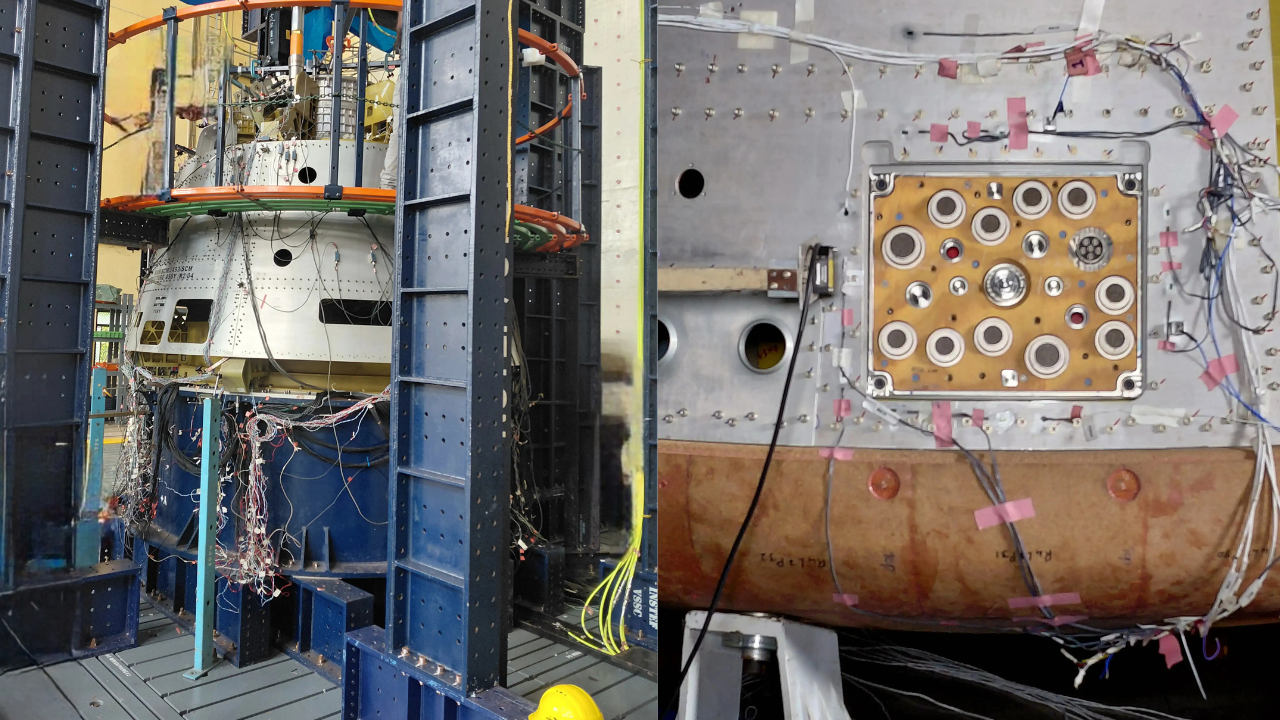
The Indian Space Research Organisation (ISRO) has achieved a significant milestone in its human spaceflight programme, Gaganyaan, by successfully completing three key qualification tests for the crew module systems. These tests are essential for ensuring the safety and reliability of the module that will carry Indian astronauts into space.
According to ISRO officials, the tests were conducted at the Vikram Sarabhai Space Centre (VSSC) in Thiruvananthapuram. The first test involved the qualification of the crew module's structural integrity under simulated launch and re-entry conditions. The second test validated the performance of the parachute deployment system, which is critical for a safe landing. The third test assessed the functionality of the life support systems, including temperature and humidity control within the crew module.
The Gaganyaan mission aims to send a crew of three astronauts into an orbit of 400 kilometres for a three-day mission and bring them back safely to Earth. This mission, if successful, will make India the fourth nation to independently send humans to space, after the United States, Russia, and China.
ISRO has stated that these qualification tests are part of a series of rigorous evaluations planned for the crew module subsystems. The data gathered from these tests will be used to refine the design and ensure the highest safety standards. The space agency is targeting the first uncrewed test flight of Gaganyaan by the end of 2024, with the crewed mission expected around 2025.
The successful completion of these tests marks a crucial step forward for India's human spaceflight ambitions. ISRO continues to work closely with industry partners and academic institutions to develop and test the various technologies required for the mission.