Serum Institute of India to Increase Prices of Three Critical Vaccines by 20%
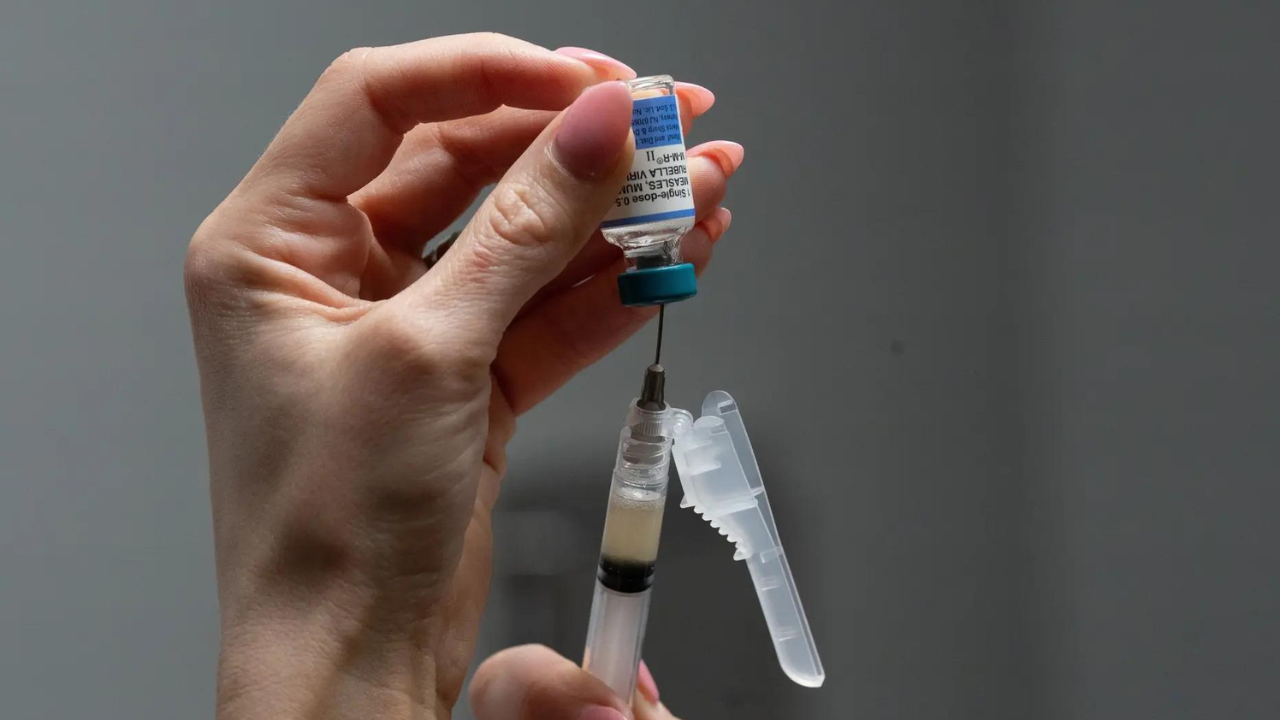
The Serum Institute of India (SII), the world's largest vaccine manufacturer by volume, has announced a 20 per cent price increase for three of its critical vaccines supplied to the government under the Universal Immunisation Programme (UIP). The price revision, effective from April 1, 2025, applies to the Bacillus Calmette–Guérin (BCG) vaccine, the Diphtheria-Tetanus-Pertussis (DTP) vaccine, and the Hepatitis B vaccine, according to a company statement.
SII cited rising operational and manufacturing costs as the reason for the hike. "The cost of raw materials, compliance with global quality standards, and logistics have all increased substantially," the statement read. The company added that the price adjustment was necessary to maintain the quality and supply of these life-saving vaccines.
These three vaccines form the backbone of India's immunisation programme. The BCG vaccine is administered at birth to prevent tuberculosis, the DTP vaccine protects against three deadly childhood diseases, and the Hepatitis B vaccine is given to prevent liver infection. The government procures these vaccines in bulk to distribute free of charge to millions of infants and children across the country annually.
Currently, the government purchases the BCG vaccine at approximately ₹7 per dose, DTP at ₹15 per dose, and Hepatitis B at ₹12 per dose. With the 20 per cent increase, these prices will rise by ₹1.40, ₹3, and ₹2.40 respectively. While the per-dose increases may appear modest, the total impact on the health budget is significant given the massive scale of procurement—over 200 million doses of these vaccines are administered each year under the UIP.
Health ministry officials acknowledged the price revision and indicated that the government would absorb the additional cost to ensure uninterrupted supply. "The vaccines will continue to be provided free of charge to all beneficiaries under the UIP," a senior health official said on condition of anonymity. "We are in discussions with SII to explore if any cost-efficiency measures can be implemented to limit the hike in the future."
The price increase also affects the private market, where these vaccines are sold directly to hospitals and paediatricians at higher rates. Private healthcare providers may pass on the increased cost to patients, making out-of-pocket expenses for non-subsidised doses slightly steeper. However, public health experts noted that the majority of these vaccines are administered through government clinics, minimising the immediate impact on the general population.
This is not the first time SII has raised vaccine prices. In 2021, the company increased the price of its COVID-19 vaccine, Covishield, for state governments after initial contracts ended. Price adjustments in the vaccine industry are common due to fluctuations in the cost of raw materials, regulatory compliance, and investments in new technology. SII, which supplies vaccines to over 170 countries, operates on thin margins to keep vaccines affordable, but periodic revisions are inevitable, industry analysts say.
The announcement comes at a time when India is intensifying its immunisation efforts. The government recently expanded the UIP to include newer vaccines such as the rotavirus and pneumococcal conjugate vaccines, further increasing the number of doses procured. The overall immunisation budget for the fiscal year 2025-26 has been allocated ₹12,000 crore, an increase of 15 per cent from the previous year, partly to accommodate rising procurement costs.
Public health advocates welcomed the government's commitment to maintaining free vaccination services but urged greater transparency in vaccine pricing negotiations. "Ensuring affordable vaccines is a shared responsibility," said Dr. Anjali Sharma, a paediatrician and public health researcher. "While price revisions are understandable, the government must strengthen its procurement strategies to get the best possible rates without compromising on quality."
SII stressed that despite the price increase, its vaccines remain among the most affordable in the world. "We are committed to India's health security and will continue to prioritise supply to the government over commercial channels," the company said. The price revision is expected to contribute to a steady and reliable supply chain, reducing the risk of shortages that have occasionally plagued immunisation drives.
In conclusion, the 20 per cent hike in the cost of three critical SII vaccines is a reflection of the economic realities of vaccine production. While it poses a marginal increase in government expenditure, the public can rest assured that the vaccines will remain freely available under the UIP. The health ministry's proactive stance to absorb the costs underscores the government's dedication to protecting the nation's children from preventable diseases.