Gus the T. rex could set fossil auction record, reigniting debate over private sales
In 1997, Sotheby's held its first natural history auction, selling fossils and other prehistoric wonders. That event was largely attended by museums seeking specimens for their collections. The star lot was a Tyrannosaurus rex named Sue, which sold for $8 million (£6 million) to the Field Museum in Chicago.
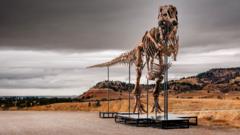
Nearly 30 years later, on Tuesday, another T. rex will go under the hammer at Sotheby's annual auction. This specimen, nicknamed Gus, is one of the most complete T. rex skeletons ever found. It has been valued at $30 million, but could sell for more, potentially becoming the most expensive dinosaur fossil ever sold.
Gus's sale has revived a long-standing debate in the natural history community: should fossils of such scientific importance be reserved for museums and researchers, or should private collectors and fossil hunters be able to profit from their discoveries?
Cassandra Hatton, global head of natural history at Sotheby's, acknowledged the risks that fossil hunters take. 'People die on excavations,' she said. For many of these hunters, finding a T. rex is the ultimate prize.
The Tyrannosaurus rex, which lived millions of years ago, is one of the most iconic dinosaurs, immortalised in films like 'King Kong' and 'Jurassic Park', and even as the namesake of an English rock band.
Proponents of private sales argue that fossil hunters invest significant resources and risk their lives to unearth specimens that might otherwise remain undiscovered. They contend that auctions create a market that incentivises further discoveries. Critics, however, worry that important scientific specimens could end up in private hands, inaccessible to researchers and the public.
Gus's auction will be closely watched by palaeontologists and collectors alike. The outcome could influence how future discoveries are handled.