SC mandates fresh public hearing for coal mine clearance, but allows mining to continue
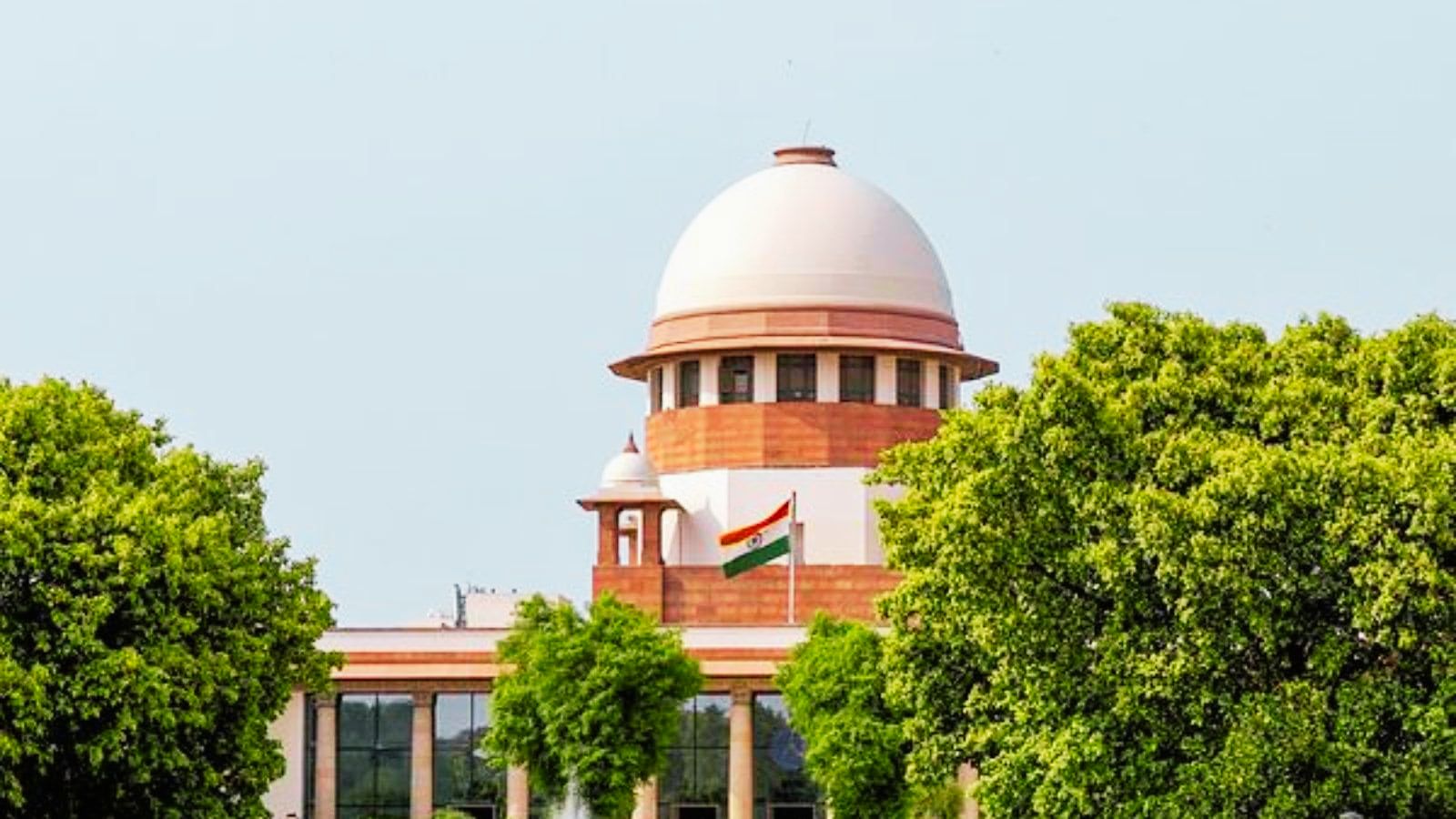
The Supreme Court has ruled that a fresh public consultation is mandatory before granting Environmental Clearance (EC) to Maharashtra State Power Generation Company Limited’s (MAHAGENCO) Gare Palma Sector-II coal mine in Chhattisgarh. However, the Court clarified that the company’s mining operations will not be restricted merely because the required public consultation has not yet been completed.
The judgment, delivered on July 24 by a Bench comprising Chief Justice of India Surya Kant and Justices Joymalya Bagchi and V Mohana, was uploaded subsequently. The Court remitted the matter to the National Green Tribunal (NGT), directing it to monitor the completion of the fresh public consultation process and pass an appropriate order thereafter. The NGT has been instructed to take up the matter on August 3 and decide it expeditiously.
The EC for the Gare Palma Sector-II Coal Mine was originally granted to MAHAGENCO in July 2022. The grant was challenged before the NGT, which in January 2024 quashed the EC after finding deficiencies in the appraisal process. The tribunal had directed the Ministry of Environment, Forest and Climate Change to re-examine the matter from the stage of conducting public consultation afresh.
The Supreme Court’s order underscores the importance of public participation in environmental decision-making, a core principle of environmental law. Public consultation allows affected communities to voice their concerns about the potential impacts of a project on their lives and surroundings. The Court’s decision ensures that this process is followed rigorously before any final clearance is granted.
At the same time, the Court’s clarification that mining can continue is significant. It balances environmental compliance with the practical realities of ongoing industrial operations. The company is not being penalized for the procedural delay, but the final clearance remains contingent on the completion of the fresh consultation.
Legal experts note that this judgment reinforces the judiciary’s role in ensuring that environmental safeguards are not bypassed. By sending the matter back to the NGT, the Supreme Court has provided a clear roadmap: the public must be heard, but the wheels of industry need not stop in the interim.
The case highlights the broader tension between development and environmental protection. Coal mining, in particular, has been a contentious issue in India due to its impact on forests, water resources, and local communities. The Gare Palma mine is located in a region rich in coal reserves, and MAHAGENCO, a state-owned power utility, relies on this coal for electricity generation.
The NGT’s next hearing on August 3 will be closely watched. It will determine how the fresh public consultation is conducted and whether any further conditions are imposed on the mining operations. Until then, the legal status quo remains: mining can proceed, but the company must comply with the tribunal’s directions.
This judgment is part of a series of recent Supreme Court rulings that emphasize procedural fairness in environmental clearances. The Court has consistently held that environmental impact assessments and public hearings are not mere formalities but essential safeguards. At the same time, it has sought to avoid unnecessary disruption to projects that are vital for development.