Vultures vanish from 72% of historic nesting sites; minister pitches Vulture Safe Zones
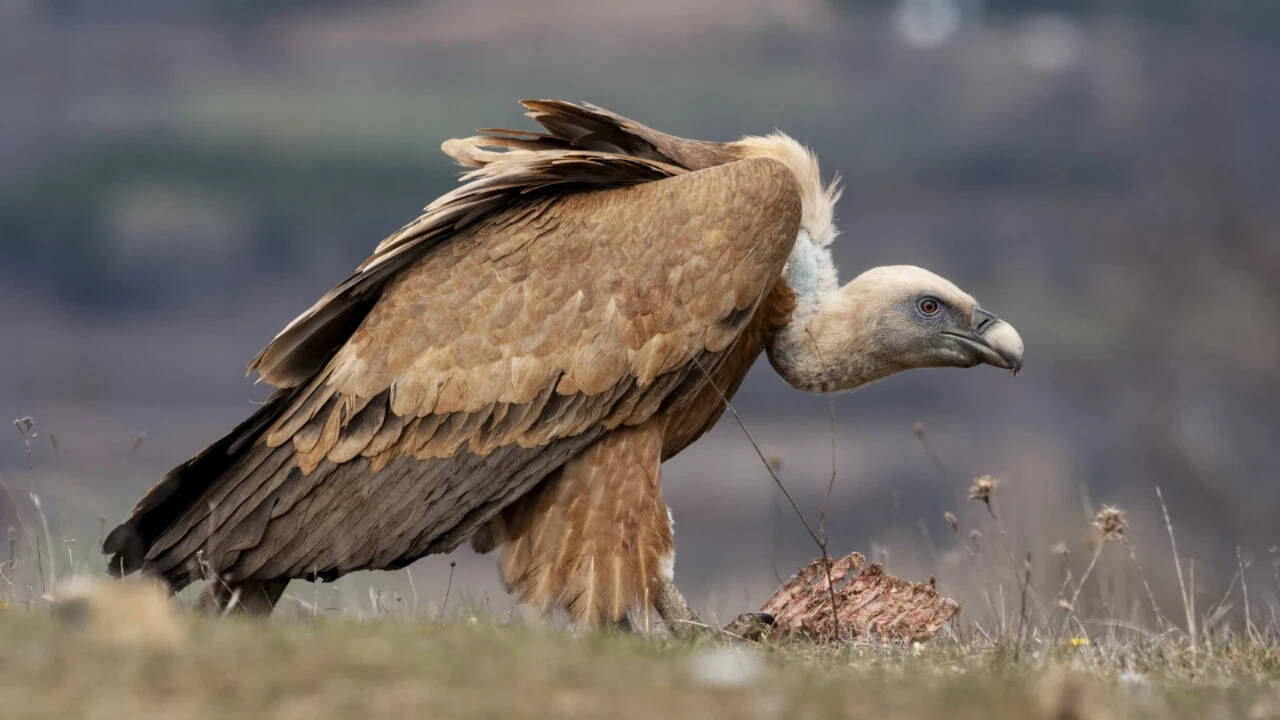
Union Environment Minister Bhupender Yadav on Sunday called for sustained efforts to create Vulture Safe Zones across India as a national assessment revealed that vultures have vanished from nearly 72% of their historically known nesting sites in the country.
Speaking at an International Vulture Awareness Day 2026 event in Panchkula, Haryana, Yadav said that vulture-safe veterinary practices, safe food availability and technical capacity-building were essential to aid species recovery in the wild. He urged veterinary professionals, livestock owners, local administrations and communities to support conservation and adopt safe carcass-management practices.
Vulture Safe Zones are areas where hazardous veterinary drugs are phased out and a safe supply of food is maintained through proper carcass management. Such zones rely on the coordinated efforts of veterinarians, farmers and local authorities to minimise threats to vultures.
Vultures are nature's most efficient scavengers. Unlike predators, they rarely kill their own prey. Instead, they feed on carrion left behind by other animals. By removing dead animal matter, they help keep the environment clean and significantly reduce the risk of disease spreading. Their decline can have cascading effects, including the proliferation of feral dogs and an elevated risk of diseases such as rabies.
The vulture population in India has declined sharply since the 1990s, mainly because of disruption to their food chain and the veterinary use of diclofenac, an anti-inflammatory drug commonly administered to livestock. Research found that vultures feeding on carcasses of treated livestock suffered kidney failure and died. The ban on veterinary diclofenac was a landmark step, but continuous monitoring and enforcement remain essential.
India is home to nine vulture species: white-rumped, long-billed, slender-billed, red-headed, Egyptian, Himalayan griffon, Eurasian griffon, cinereous and bearded vultures. They are found across the country, from the Himalayan range to Kerala.
A pan-India assessment by scientists at the Wildlife Institute of India last year recorded only 120 active historical nesting sites among the 425 documented in literature across 25 states. This means vultures have disappeared from roughly 72% of their known historical nesting areas. Madhya Pradesh and Rajasthan accounted for about 63% of all vulture nests. Researchers also identified 93 new nesting locations, taking the total number of nesting sites to 213, including 103 in protected areas.
Conservation breeding of vultures is under way at centres in Pinjore (Haryana), Rajabha Khawa (West Bengal) and Rani (Assam). The Jatayu Conservation Breeding Centre in Pinjore, run jointly by the Haryana Forest Department and the Bombay Natural History Society, breeds white-rumped, long-billed and slender-billed vultures.
During 2025-26, the Pinjore centre housed 356 vultures, bred 35 chicks and released or contributed 87 birds for reintroduction. It also transferred 90 birds to other conservation-breeding institutions and trained 1,222 participants from 22 institutions, the environment ministry said. These efforts highlight the importance of scientific breeding and capacity building in restoring vulture populations.
Yadav's message underlined the need for collective action. Expanding Vulture Safe Zones, strengthening veterinary oversight and maintaining scientific breeding programmes will be critical to bringing vultures back to their historical range across India.


