Saharanpur court orders eviction of mosque from Collectorate campus, imposes Rs 6.41 crore penalty
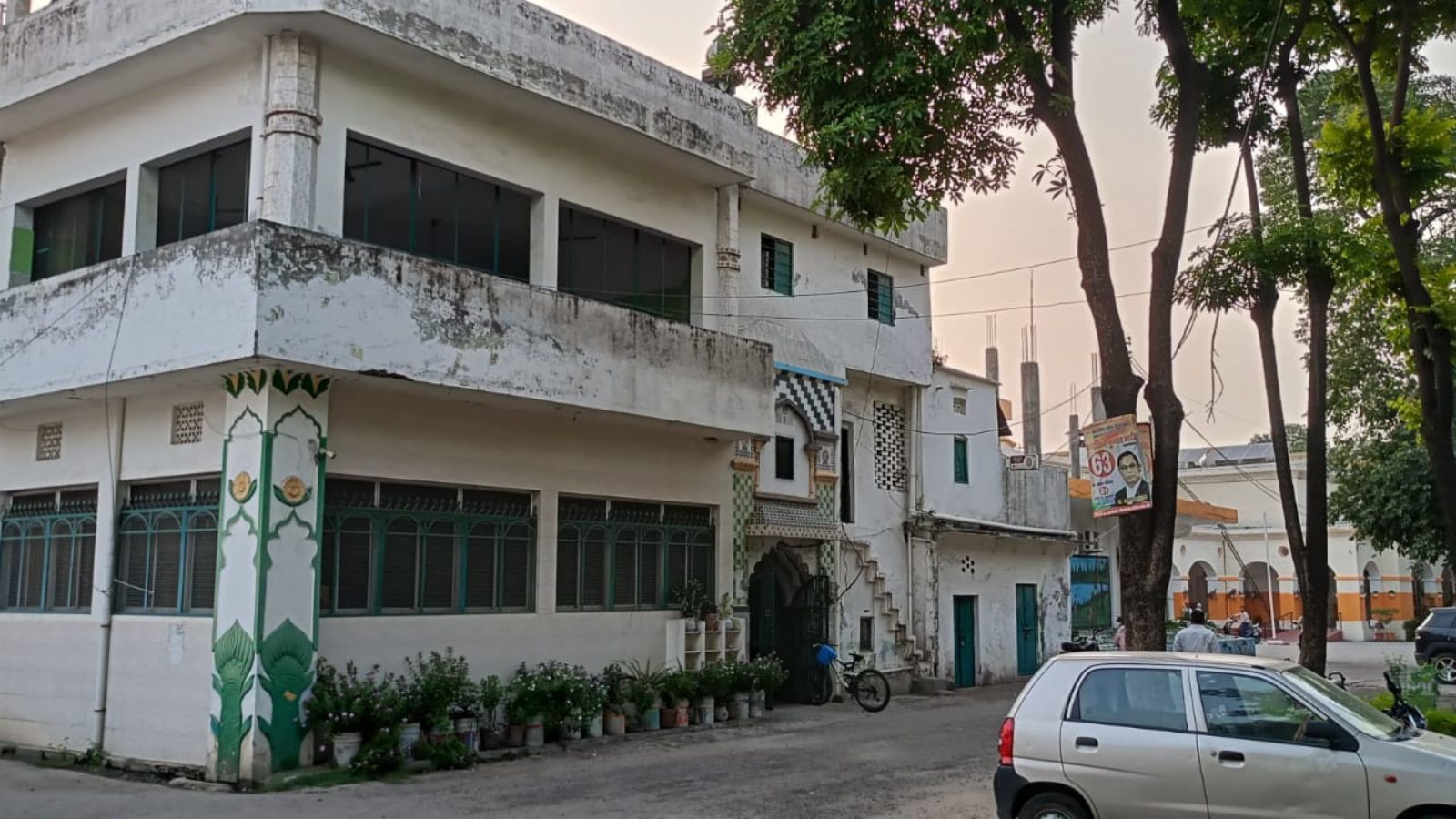
A city magistrate court in Saharanpur has ordered the eviction of a mosque located within the Collectorate campus, declaring it an unauthorised structure. The court also imposed a penalty of Rs 6.41 crore for the alleged unauthorised occupation of government land, to be recovered from the occupants under the Uttar Pradesh Public Premises (Eviction of Unauthorised Occupants) Act, 1972.
City Magistrate Kuldeep Singh stated that the occupants have been given 30 days to vacate the 315-square-metre plot. If they fail to comply, authorities will carry out the eviction. The proceedings were initiated following a complaint by Vikas Tyagi, who alleged that the mosque was constructed on government land within the Collectorate complex.
In March 2025, a revenue official (Lekhpal) lodged a complaint against Abdul Hamid, the alleged manager and maulvi of the mosque, claiming unauthorised occupation of government property. Notices were issued in April 2025, and objections were filed on June 11 of that year.
According to the petition submitted to the city magistrate, the land on which the mosque stands is part of the Collectorate campus and recorded as government property in revenue records. The building was originally constructed as a rest house for litigants. The petition alleged that the respondents later encroached upon rooms on both floors, began offering namaz there, rented out rooms to third parties, and collected rent from a post office operating from the premises. It further claimed that unauthorised construction converted part of the building into a religious structure.
The inquiry found that the respondents had no licence, permission, or legal authority to occupy the premises or convert it. The respondents relied on a letter from the Sunni Central Waqf Board, Lucknow, but the petition alleged the letter was forged. The property is recorded as Kachahri (Collectorate) and Kothiyat land, not as a religious site. The petition argued that the Waqf Board cannot declare government land as Waqf property, and the respondents failed to produce documentary evidence to support their claims.
In their reply, the respondents argued that the petitioner failed to establish the State's ownership of the disputed property. They contended that revenue records only reflect physical status, not ownership. They alleged the petition was filed with an ulterior motive to unlawfully take over the mosque and land, and that the petitioner suppressed material facts.
Mutwali Tanveer Ahmed, representing the mosque, said they will file a revision petition against the order. The court's ruling included recovery of alleged illegally collected rent, penal rent, and 12% compound interest to be deposited in the government treasury.







