Russia says six killed in Ukraine's largest drone attack on its soil

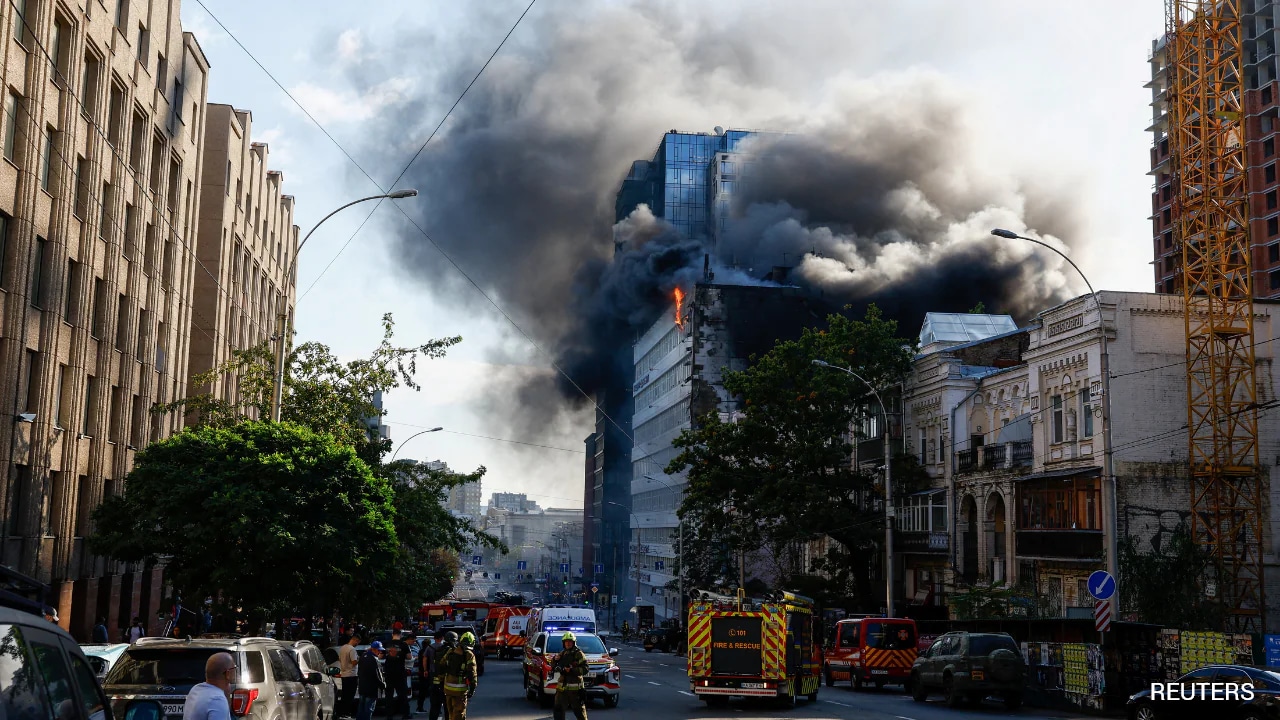
Russia said on Sunday that Ukraine launched hundreds of drones across its territory overnight, killing at least six people in what appeared to be one of the largest aerial attacks of the ongoing war. The strikes, which targeted multiple regions, came as Ukraine continued to extend the reach of its military operations deeper into Russian territory.
In a statement, Russia's Ministry of Defence said its air defence systems destroyed 822 drones during the night, with about 600 of them reportedly headed towards the capital, Moscow. The ministry did not immediately provide details on the number of drones that evaded interception or the full extent of damage caused.
The deadliest reported impact was in Russia's southwestern Rostov region, where local Governor Yury Slyusar said five people were killed across three towns that came under attack. In the Moscow region, an 83-year-old man died after a drone struck a private home, according to local officials. The identities of the victims have not been officially released, and the reports could not be independently verified.
The attack is among the largest aerial assaults Ukraine has mounted against Russia since the war began in 2022. In recent months, Kyiv has increasingly relied on long-range drones to strike military installations, fuel depots, and other infrastructure inside Russia, while Moscow has continued its own missile and drone barrages against Ukrainian cities. The cross-border strikes have brought the realities of war to Russian civilians, who have largely been shielded from the frontline combat.
Russian authorities have frequently accused Ukraine of targeting civilian areas, while Ukrainian officials maintain that their strikes are directed at military infrastructure and are a legitimate response to Russia's own attacks on Ukrainian civilian targets. There was no immediate official comment from Ukraine's government or military regarding Sunday's operation, and independent international observers are not able to verify the scale or impact of such engagements in real time.
The escalation comes as diplomatic efforts to end the conflict remain stalled. Both sides have continued to develop and deploy drones, which have become a defining feature of the war due to their relatively low cost and ability to strike far beyond the front lines. Western analysts note that Ukraine has increased its domestic drone production significantly, while Russia has sought to bolster its air defence systems in response.
Residents in the affected regions described a night of repeated explosions and air raid sirens. In the Rostov region, authorities said emergency services were working to clear debris and assist those displaced by the strikes. The Moscow region's governor, Andrei Vorobyov, confirmed the death of the elderly man and said several buildings had been damaged, though no other casualties were reported.
This latest exchange underscores the volatility of the conflict and the challenges both sides face in protecting their populations. While Russia has intercepted a significant number of drones, the fact that some have reached residential areas raises questions about the effectiveness of air defences and the moral implications of such attacks. The international community, including the United Nations, has repeatedly called for restraint and the protection of civilians, but no concrete ceasefire agreement has materialised.
As the war enters a new phase, with winter approaching, the frequency and intensity of aerial attacks are likely to remain high. For those on the ground, the threat is immediate and personal. For the world, the continued violence serves as a stark reminder that this conflict, which has already claimed tens of thousands of lives, shows no sign of abating.