Report: India restored 21.76 million hectares of land between 2011 and 2020
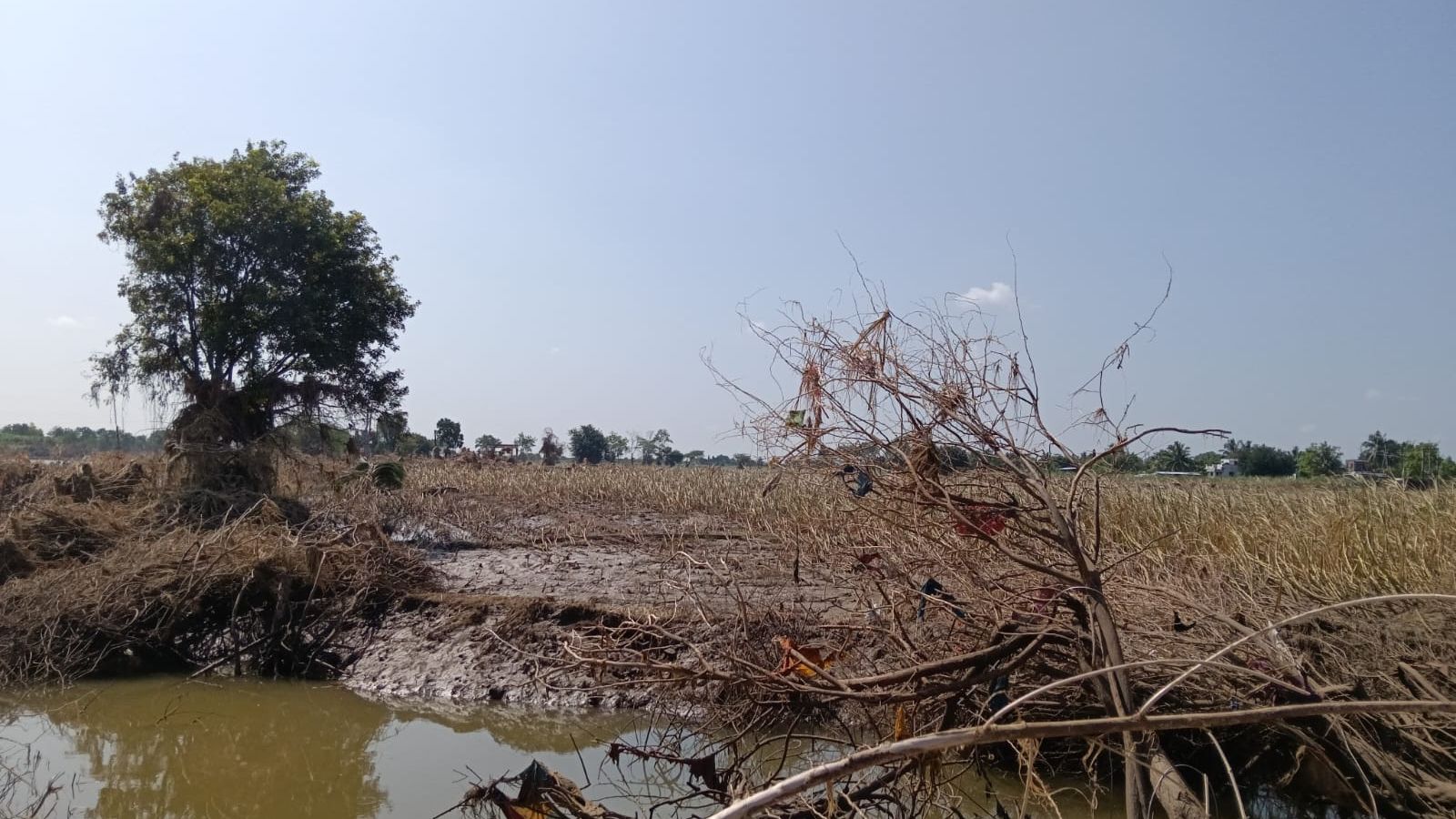
India has successfully restored approximately 21.76 million hectares of degraded and deforested land between 2011 and 2020, according to the country's second progress report under the Bonn Challenge, released by the Ministry of Environment, Forest and Climate Change (MoEFCC) and the International Union for Conservation of Nature (IUCN).
The Bonn Challenge, launched in 2011, is a global initiative aimed at restoring 150 million hectares of the world's degraded and deforested lands by 2020, and 350 million hectares by 2030. Over 70 countries have pledged contributions. India originally committed to restoring 13 million hectares by 2020, with an additional 8 million hectares by 2030, totalling 21 million hectares. In 2019, during the 14th Conference of Parties to the United Nations Convention to Combat Desertification (UNCCD) held in India, Prime Minister Narendra Modi announced a revised target of 26 million hectares by 2030.
The newly reported figure of 21.76 million hectares indicates that India has already exceeded its initial 2020 goal of 13 million hectares. The restoration was achieved through a combination of methods: planted forests, natural regeneration, silviculture (the practice of controlling the growth, composition, and quality of forests), agroforestry (integrating trees with crops and livestock), and mangrove restoration along coastlines. These diverse approaches address different types of degraded ecosystems across the country.
Among states, Telangana led with the highest area restored—4.18 million hectares—largely due to an extensive agroforestry drive covering over 3.6 million hectares. Agroforestry has been promoted in the state as a means to enhance farmer incomes while restoring soil health and increasing tree cover. Other states have also contributed significantly, though a detailed state-wise breakup was not provided in the report summary.
Land restoration is critical for India, which faces severe land degradation from deforestation, unsustainable agricultural practices, mining, and urban expansion. Restored landscapes provide multiple benefits, including carbon sequestration, improved water regulation, biodiversity conservation, and livelihood support for local communities. The report underscores the importance of continued investment and policy support to maintain and build upon these gains.
The IUCN, as a technical partner, has assisted in monitoring and verification using satellite data and field assessments. The Bonn Challenge emphasises transparency and voluntary reporting, with countries encouraged to submit periodic updates. India's first progress report had covered earlier years; this second edition brings the data up to 2020 and serves as a baseline for the enhanced 2030 target.
Globally, the Bonn Challenge has mobilised commitments for over 200 million hectares of restoration pledges by 2020, although actual implementation varies. India's reported restoration places it among the more proactive countries, a notable achievement given the country's high population density and competing land uses. The progress also aligns with India's obligations under the Paris Agreement on climate change and the United Nations Sustainable Development Goals, particularly Goal 15 (Life on Land), which aims to combat desertification and halt biodiversity loss.
Experts caution that the quantity of restored land must be matched by the quality and sustainability of restoration. Factors such as survival rates of planted trees, ecological functionality, and community involvement are vital for long-term success. The report acknowledges these dimensions and calls for adaptive management strategies. The Ministry of Environment reiterated its commitment to achieving the 26 million hectare target through collaborative efforts involving state governments, civil society, and international partners. The report serves as both a record of accomplishment and a roadmap for the work ahead.