Pune businessman accused of preparing 14,000 poisoned capsules for Shia mourners
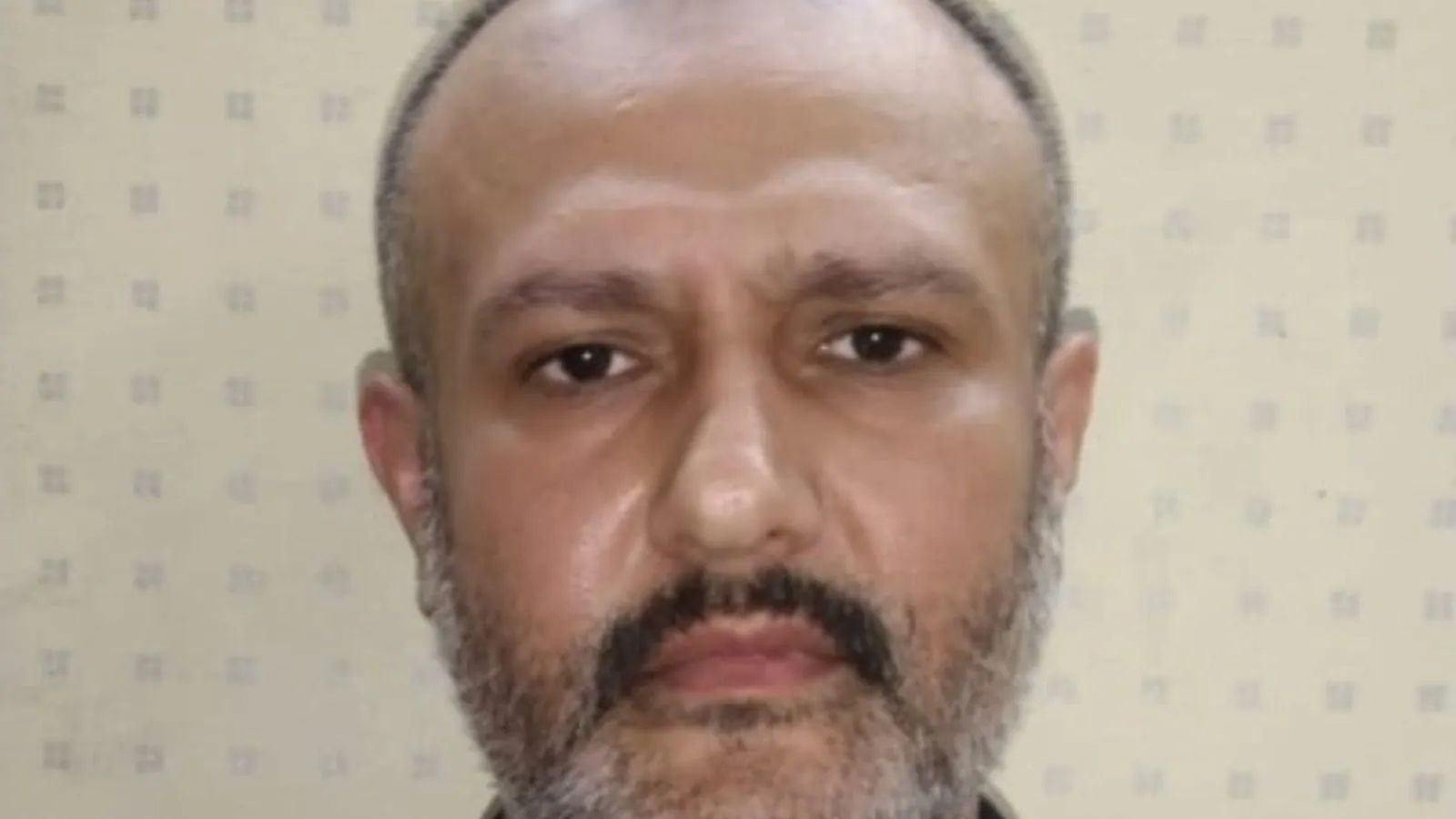
On Ashura, when thousands of Shia mourners gathered in South Mumbai for Muharram processions on Saturday, a 39-year-old businessman from Pune was allegedly distributing capsules he claimed were pain relief medicine. Police say the capsules contained zinc phosphide, a highly toxic substance used in rat poison. Investigators allege he had prepared nearly 14,000 such capsules with the intention of distributing them among members of the Shia community.
The man arrested in connection with the plot is Faiyaz Premjee, whose public trajectory over the past decade shows a shift from a self-described reformist within the Khoja Shia community to an outspoken critic of Shia Islam who built an online presence around his departure from the faith.
Premjee belongs to the Khoja Shia community, a small but historically influential Muslim trading community with roots in Gujarat and Kutch. In interviews and online talks, he has said his family originates from Gujarat before moving to Pune, and he has also mentioned family connections in Hyderabad. He described his father as a businessman in Pune.
According to his own accounts, Premjee’s habit of questioning religious orthodoxy shaped his early life. In a YouTube appearance, he said he inherited a tendency to “question everything” from his maternal family, which eventually led him to challenge long-held beliefs. He became involved with a small group of like-minded Khoja Shias in Mumbai around 2015-16, advocating for what he called reforms within the community. The group argued for a more liberal interpretation of Islam and sought to challenge conservative practices. In an interview, he said: “I tried to explain to people that the conservative version of Islam we were following was wrong. We believed we should become reformists. But our community was so conservative that they simply would not let go of that mindset.”
People familiar with the period say Premjee struggled to find support. One person who knew him during those years said: “He was part of a small group of Khoja individuals in Mumbai who had several grievances against the community. He tried to mobilise people but found little support. Around that time, he had also become active on social media, posting videos critical of the community.”
Premjee later claimed that his criticism of religious figures and institutions led to sustained harassment. He alleged that complaints were filed against him, his business in Pune was vandalised, and he was socially ostracised.
By 2019, Premjee says he had abandoned Islam entirely and began describing himself as an atheist and an ex-Muslim. That year, he moved to Iran, believing the country was gradually embracing reform. By his own account, that expectation was quickly shattered: he found Iran to be “exactly the same, perhaps even worse” than the religious conservatism he believed he had left behind in India. Over the next few years, he became a regular guest on right-wing podcasts and YouTube channels, where he spoke extensively about Shia Islam, Iran and his departure from the faith.
In many of those appearances, Premjee said he was earning a living through stock market trading while living in Iran. It is not immediately clear when he returned to India. The alleged poisoning plot in Mumbai marks a dramatic escalation for a man whose public persona had largely been that of a combative online critic of his former faith. Mumbai Police are now investigating what prompted the alleged attack and whether Premjee acted alone or received assistance.