Cancer data gap: Supreme Court asks 19 states, UTs to notify disease
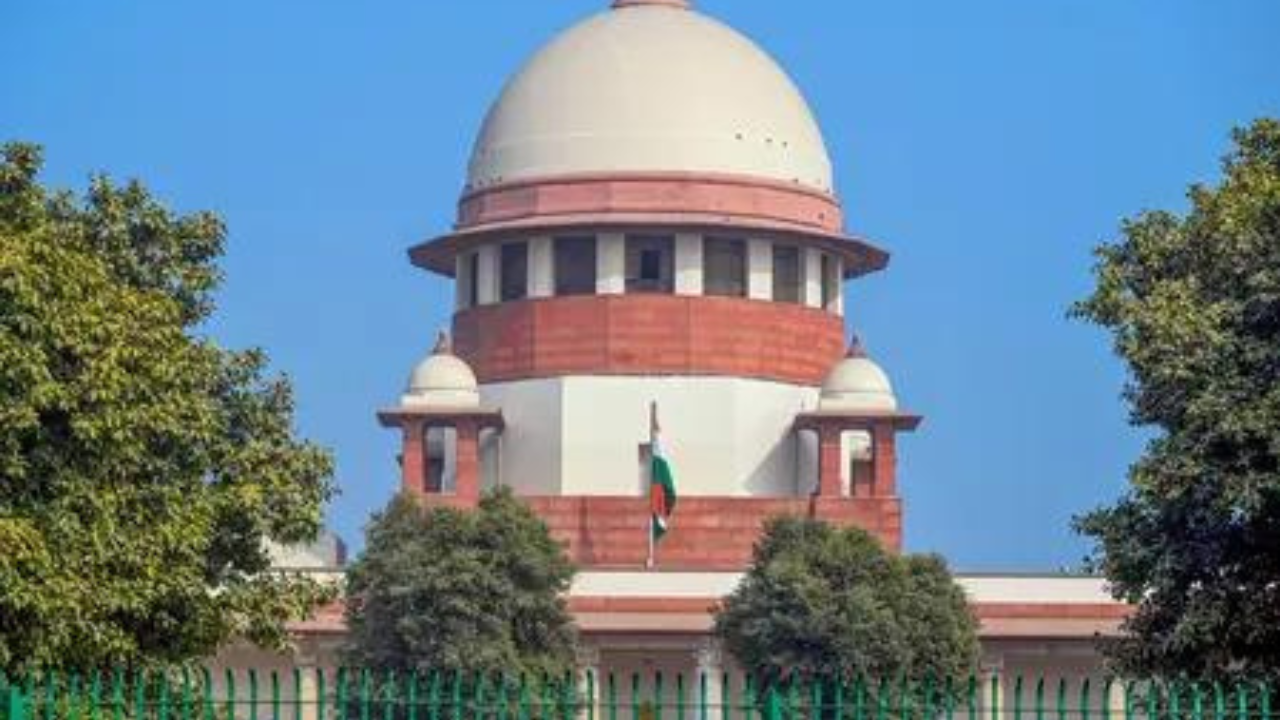
The Supreme Court on Tuesday asked 19 states and Union territories that have not yet notified cancer as a notifiable disease to consider doing so, a move that could make it mandatory for healthcare facilities to report newly detected cases to public health authorities. The order, passed by a bench headed by Chief Justice Surya Kant, came in response to a plea filed by a retired AIIMS doctor highlighting the limited coverage of India's cancer surveillance system.
Currently, the National Cancer Registry Programme (NCRP) covers only about 10% of India's population, with rural coverage below 1%. This leaves vast sections of the country without systematic data on cancer incidence, making it difficult to plan prevention, early detection, and treatment programmes effectively. The court was told that 17 of India's 36 states and Union territories have already notified cancer, following recommendations of the Parliamentary Standing Committee on Health and Family Welfare. The remaining 19 have now been asked to consider similar action.
The Supreme Court's push assumes greater significance in light of the World Health Organization's latest Global Status Report on Cancer, which estimates that 92% of people globally will be affected by cancer either directly or through a close family member. The report also projects annual cancer cases worldwide to rise to nearly 35 million by 2050, underlining the need for robust data systems to manage the growing burden.
Experts stress that standardised and timely data is essential to understand India's changing cancer profile. Dr Pragya Shukla, Head of Clinical Oncology at Delhi State Cancer Institute, said such data helps identify regional and demographic trends, assess the impact of prevention and treatment programmes, and guide resource allocation. She noted that a notification system would complement existing cancer registries and help identify high-burden areas, improving planning for treatment infrastructure and medicines.
The Indian Cancer Society welcomed the Supreme Court's intervention. Jyotsna Govil, Chairperson of the organisation, said the direction towards cancer notification is a significant development. However, she cautioned that notification alone would not suffice. She called for a uniform national framework with common definitions, reporting standards and data protocols to ensure that data across states is comparable and interoperable. Without such standardisation, the usefulness of the data for policy-making would be limited.
The Supreme Court's order reflects a growing recognition that reliable cancer surveillance is a cornerstone of an effective public health response. With cancer cases rising, both in India and globally, having a complete picture of the burden—where cases are rising and which populations are most affected—is critical for shaping policies on prevention, early detection, treatment capacity, and allocation of healthcare resources.
Public health experts say that making cancer a notifiable disease is a practical step towards building a comprehensive surveillance system, but it must be accompanied by adequate infrastructure for data collection, privacy protections, and implementation support at the state level. The court's direction puts the onus on states and UTs to act, and the coming months will show how many follow through on this important health priority.