FSSAI warns influencers, celebrities against endorsing unverified food claims
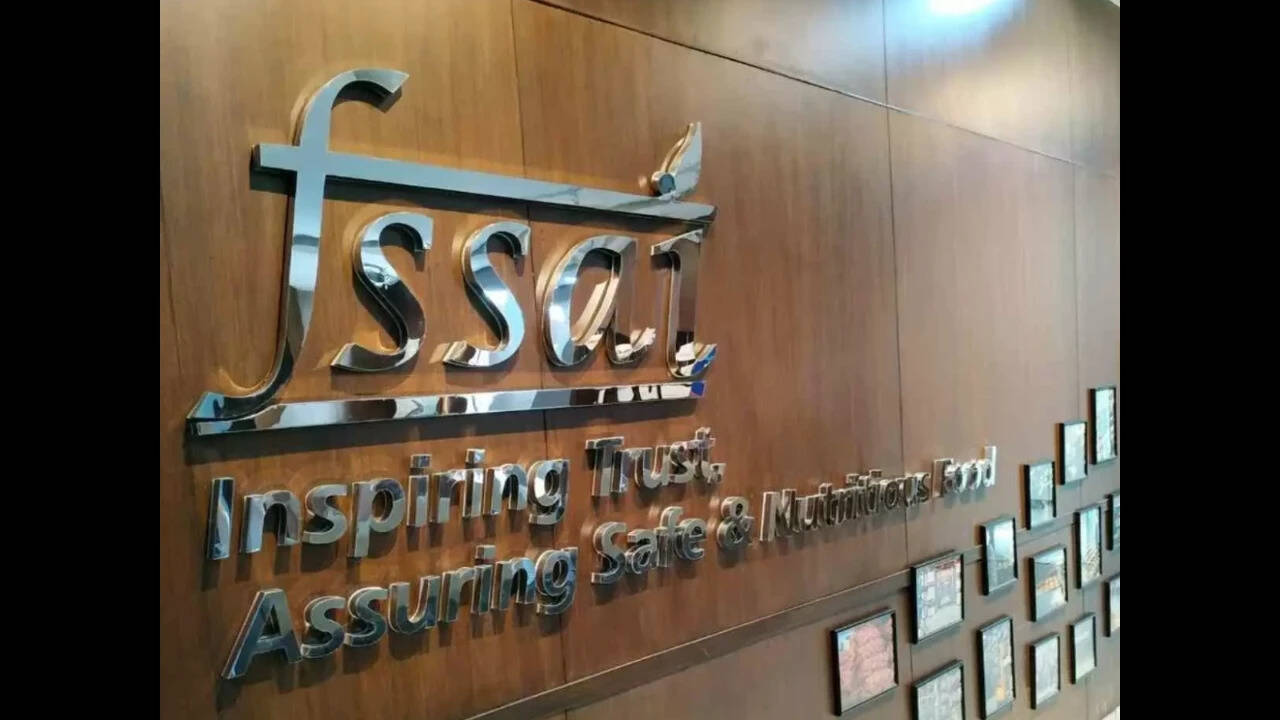
New Delhi: The Food Safety and Standards Authority of India (FSSAI) has put celebrities and social media influencers on notice, warning that endorsing food products with unverified claims may attract legal action. The regulator said endorsements that make unsubstantiated assertions about a product’s health benefits are misleading under the Food Safety and Standards Act, 2006, and the Food Safety and Standards (Advertising and Claims) Regulations, 2018.
The advisory comes as food brands increasingly depend on online personalities to promote health drinks, protein supplements, snacks and packaged foods to millions of consumers. FSSAI stated that influencers and celebrities must verify that every claim they endorse is truthful, scientifically backed and compliant with existing food laws before lending their name or credibility to a product.
Citing the trust consumers place in public figures, the regulator cautioned against amplifying claims such as “boosts immunity” or “rich in nutrients” unless such assertions are supported by evidence and explicitly permitted under current regulations. It emphasised that endorsements are not mere advertisements but carry the weight of personal credibility, making it essential for promoters to exercise due diligence.
The FSSAI also pointed out that misleading food advertisements and endorsements can attract penalties under the Food Safety and Standards Act, 2006, and the Advertising and Claims Regulations, 2018. The regulator’s advisory serves as a reminder that promotional content must meet the same standards of accuracy and scientific validity as any other claim made by a food business.
In a parallel action, FSSAI has prohibited the manufacture, sale and distribution of products from M/s Shree Shyam Foods, M/s Bharat Food Products and M/s KDP Food Industry. Government laboratories found their ghee and mustard oil products unsafe for human consumption, prompting the ban.
Separately, Dharwad Mishra Pedha and Food Processing Industry in Karnataka was penalised after its Motichoor laddoos were found to contain Tartrazine, a synthetic colour, at 2,670.5 mg/kg — more than 26 times the permissible limit of 100 mg/kg. The regulator said the product violated food safety norms.
In Gujarat, Shree Chemfood Pvt Ltd faced action after samples of its iodised salt were found to be substandard and misbranded. The company was penalised for failing to meet quality standards required under the law.
FSSAI has urged consumers to report misleading food advertisements and celebrity endorsements through its Food Safety Connect platform. The online platform allows the public to bring any questionable marketing practices to the regulator’s attention, helping authorities take timely action.
The advisory reflects a broader effort by FSSAI to strengthen accountability across the food marketing ecosystem. With the rapid growth of digital media, unverified health claims can spread quickly, and the regulator’s move aims to ensure that influencers and celebrities do not become channels for misleading information.
Influencers and celebrities are now required to review the scientific basis of claims before endorsing any food product. The onus is on them to confirm that the claims are permitted under Indian food regulations and that the product has not been flagged by the regulator for safety issues.
Consumers, too, are encouraged to verify the credibility of endorsements and rely on official sources for information about food safety. The FSSAI’s Food Safety Connect platform serves as a direct link between the public and the regulator, making it easier to file complaints about dubious practices.
The regulator’s actions come amid growing concern over the marketing of health and wellness products on social media. By targeting both influencers and manufacturers, FSSAI is addressing the problem from both sides — curbing the spread of misleading claims at the source and penalising those who produce unsafe goods.