Proposed U.S.-Iran deal may lift sanctions on tankers, restore Hormuz shipping, and open insurance, banking channels

A 14-point Memorandum of Understanding (MoU) between the United States and Iran, as reported by Al Arabiya English, outlines reciprocal commitments aimed at restoring normalcy to maritime operations in the Strait of Hormuz and easing sanctions on Iranian oil exports.
Under the terms, the U.S. would lift its naval blockade and assist in restoring maritime traffic within 30 days. Iran, on its part, would commit to resuming traffic "proportional to the pre-war volume" and facilitating the movement of merchant vessels to and from the Persian Gulf within the same timeframe.
Washington has reportedly agreed to immediately lift Treasury Department sanctions on exports of Iranian crude oil, petroleum products and derivatives. This includes related services such as banking, insurance and transportation. In practical terms, the arrangement would remove restrictions on tankers previously sanctioned for carrying Iranian oil, enabling them to access international banking systems, insurance markets and credit facilities more freely.
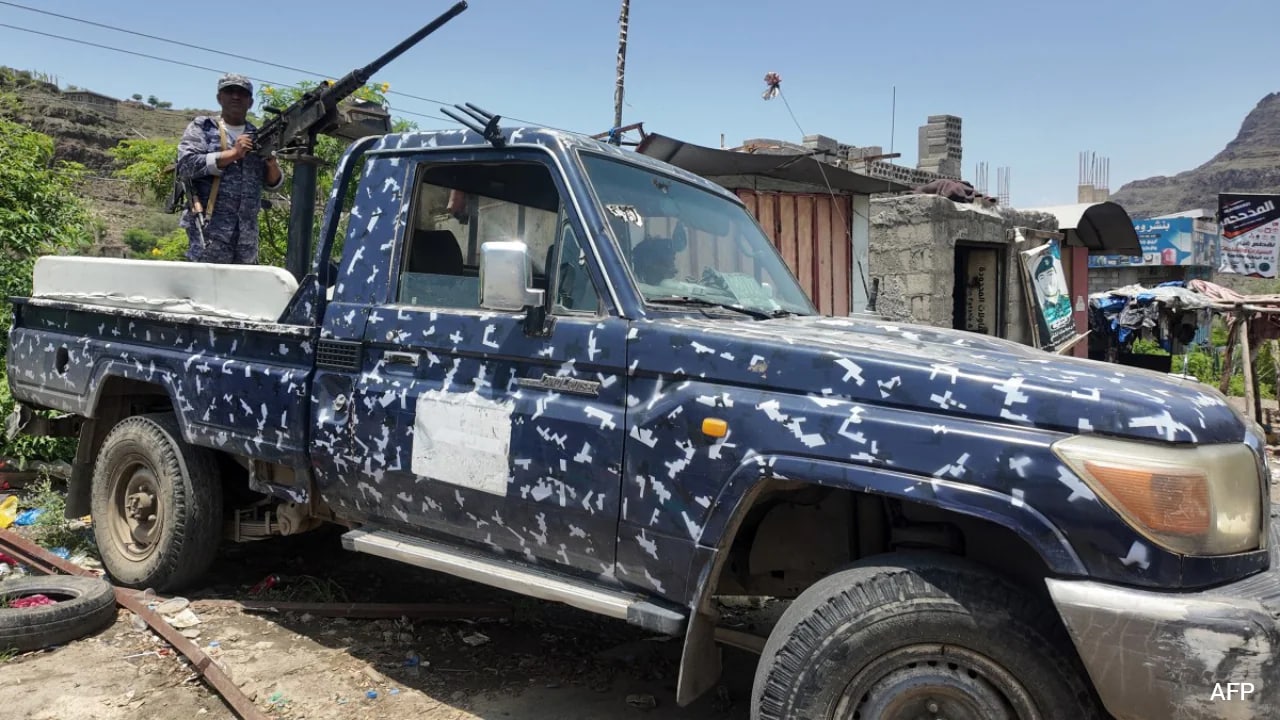
The reported MoU comes shortly after the U.S. carried out punitive strikes on vessels allegedly transporting Iranian oil. Among those targeted were two ships bound for India, crewed by Indian seafarers, with three reportedly killed. U.S. Secretary of State Marco Rubio had maintained that transport of "illicit" Iranian oil would not be permitted. However, negotiations on sanctions relief had reportedly been progressing for several days.
The Strait of Hormuz has historically operated as a free waterway. Before recent tensions, international shipping passed through without tolls, service fees or mandatory reporting to national authorities. This stands in contrast to other major maritime chokepoints: the Malacca-Singapore straits require reporting to national authorities for safe navigation but impose no fees; the Suez and Panama canals charge substantial transit fees, though alternative longer routes exist if they are disrupted; and the Bosphorus and Dardanelles levy service charges, including for pilotage to Turkey.
Captain Ritesh Kumar, a veteran master mariner, said any fee to any authority for the Strait of Hormuz "would be vehemently opposed by global shipping for various reasons, including commercial ones."
While the U.S. has indicated no tolls should be imposed, Iran has signalled it may seek to levy service charges. Iranian officials have also suggested that future arrangements could require ships transiting the Strait of Hormuz to report to Iran and/or Oman.
The MoU's details remain subject to implementation, and the exact contours of the agreement may evolve. The reported provisions, if enacted, would mark a significant shift in the sanctions regime and maritime security dynamics in one of the world's most critical energy corridors.