Pakistan Faces Multiple Security Challenges, Reportedly Turns to Non-State Actors
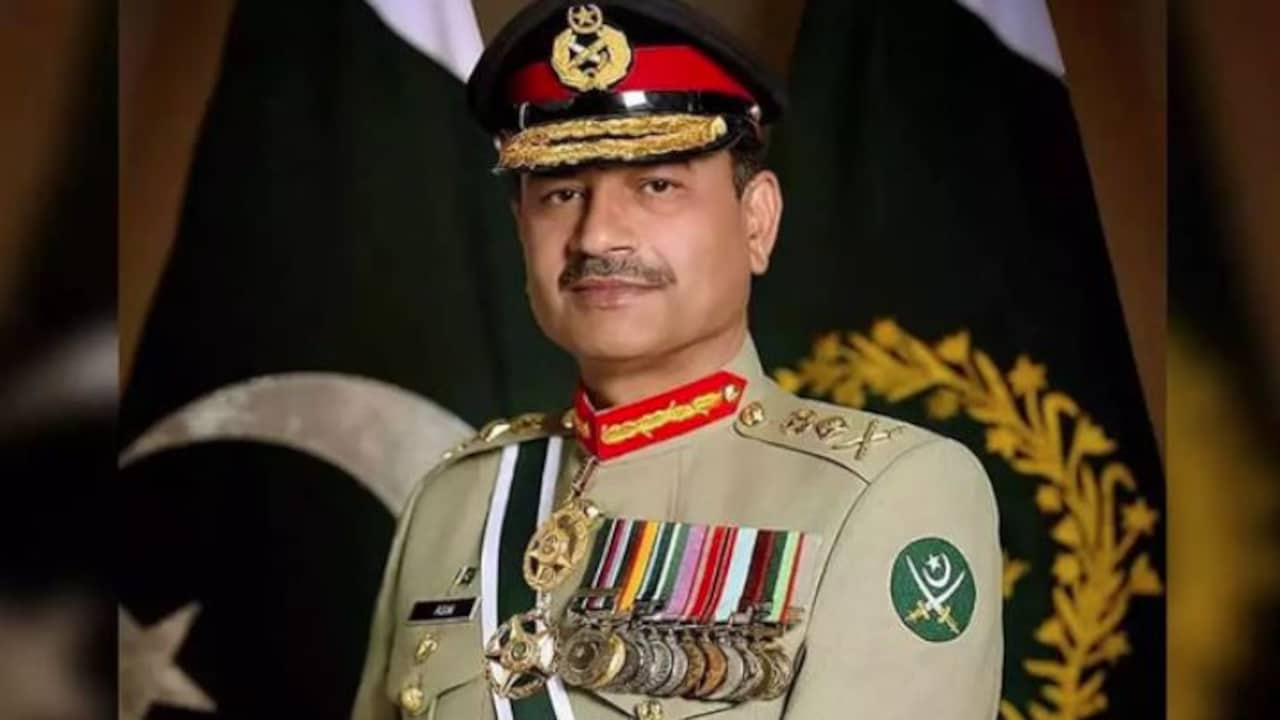
Pakistan is currently grappling with security threats on multiple fronts, including insurgencies in Balochistan and unrest in Pakistan-administered Kashmir (PoK), as well as attacks by the Tehrik-e-Taliban Pakistan (TTP) in Khyber Pakhtunkhwa. According to recent reports, the country's security establishment under Army Chief Asim Munir may be reverting to a strategy of cultivating non-state actors to counter these threats, while maintaining a façade of counterterrorism to preserve international legitimacy.
A report by Tanzania-based publication The Citizen alleges that Pakistan is extending support to the Islamic State Khorasan Province (ISKP), also known as ISIS-K or Daesh Khorasan, to confront the Taliban and Baloch rebels. The report cites cross-border activity on June 30 between Afghanistan and Pakistan near suspected ISKP hideouts as evidence. It claims such incidents have occurred repeatedly in recent years as part of a plan to counter the Taliban through other militant proxies.
Over the past year, the TTP has carried out over a thousand attacks in Pakistan, resulting in hundreds of casualties among security personnel in Khyber Pakhtunkhwa. Mediation efforts by Qatar, Turkey, and China have not yielded a resolution. Simultaneously, Baloch insurgents have intensified attacks on security forces and infrastructure projects in Balochistan, including the China-Pakistan Economic Corridor (CPEC). China has reportedly expressed concerns about the safety of its personnel and projects to Pakistan's leadership, increasing pressure on Army Chief Munir to address the situation.
The report notes that Pakistan's response has been a 'hard state' policy of coercion in both Khyber Pakhtunkhwa and Balochistan, which has alienated Pashtun and Baloch communities and deepened the crisis. It states that the security establishment has ignored legitimate political grievances and instead sought to counterbalance threats through ties with international terrorist outfits like the Islamic State.
Meanwhile, the United Nations human rights office has expressed concern over the 'wave of unrest' in Pakistan-administered Kashmir (PoK) ahead of regional elections scheduled for July 27. UN High Commissioner for Human Rights Volker Turk called for calm and urged prompt, thorough, and impartial investigations into the deaths of protesters and security personnel that have occurred during the unrest since June. Dozens of people have reportedly been killed.
Strategic affairs expert Brahma Chellaney commented that the crisis reflects a common pattern: economically marginalised and politically disenfranchised populations demanding autonomy and accountability, with the Pakistani state responding with heavy-handed security crackdowns rather than political dialogue. He noted that protests in PoK, initially over economic grievances, have evolved into a movement for greater autonomy. In Balochistan, the separatist insurgency now threatens Pakistan's economic interests by endangering Chinese mining projects and investor confidence. According to Chellaney, the dual-front crisis exposes the limitations of Pakistan's security-first approach and highlights a deeper structural problem: the weakening ability to govern frontier regions through consent rather than coercion.