Overloaded boat capsizes in Nigeria: 48 dead, children among victims
At least 48 people have died in Nigeria after an overloaded boat carrying an estimated 70 passengers capsized on a river in the north-western state of Sokoto, local residents and officials have confirmed.
The accident took place on Thursday morning as villagers were travelling to their rice fields along the river, said Hussaini Shehu, a resident of Gorau village. "We are devastated at the moment," he told the BBC. Rescue efforts are underway, with around 10 people reported to have been pulled out of the water alive.
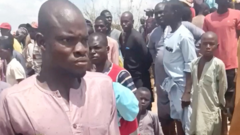
Photographs taken at the village mosque show many of the recovered bodies wrapped in mats and traditional cloths, as the community prepared for mass burials. The remoteness of the area has made rescue and recovery operations challenging.
Bashir Usman Gorau, a lawmaker representing the area, said that many of the victims were children. In agrarian communities in this part of Nigeria, children commonly accompany their parents to farms to help with planting and harvesting. The region is currently in the middle of the rice harvesting season, which likely explains the number of people on the boat.
Boats are an essential means of transport in rural Nigeria, especially in areas where roads are poor or non-existent. However, safety regulations are often ignored, and overloading is a frequent problem. Accidents on inland waterways have become a recurring tragedy, with dozens of people being killed each year. In many cases, passengers do not have access to life jackets, and the boats are not equipped with rescue equipment.
The exact cause of the capsizing has not been determined, but the boat was reported to be overloaded, a common factor in many such accidents in the region. No official statement has been issued by the authorities so far.
This latest accident has reignited calls for stricter enforcement of safety measures on Nigeria's rivers. Activists and community leaders have urged the government to implement passenger limits, ensure life jackets are provided, and improve safety inspections. They also point to the need for investment in alternatives such as road and bridge construction to reduce reliance on unsafe water transport.
No statement from the state government has been reported yet. As the community in Gorau village mourns, many questions remain about what more can be done to prevent such tragedies.
In recent years, the frequency of boat accidents in Nigeria has drawn attention to the chronic underfunding of maritime safety infrastructure. While similar incidents have occurred across the country, the remote and underdeveloped areas often bear the brunt of these disasters. With no immediate solution in sight, the risk to rural communities remains high.
The victims have been buried according to Islamic tradition, as the village continues to come to terms with the scale of the loss. Emergency services have ended their search for now, but the community is striving to support the survivors and the families of the deceased.
Children are particularly vulnerable in such accidents, as many do not know how to swim. This tragedy is a stark reminder of the daily risks faced by millions of Nigerians who depend on waterways for their livelihoods. As families bury their dead, there is an urgent call for action to prevent similar disasters in the future.