1920 Notification Key: Allahabad HC Allows Krishna Janmabhoomi Suits Against Shahi Eidgah
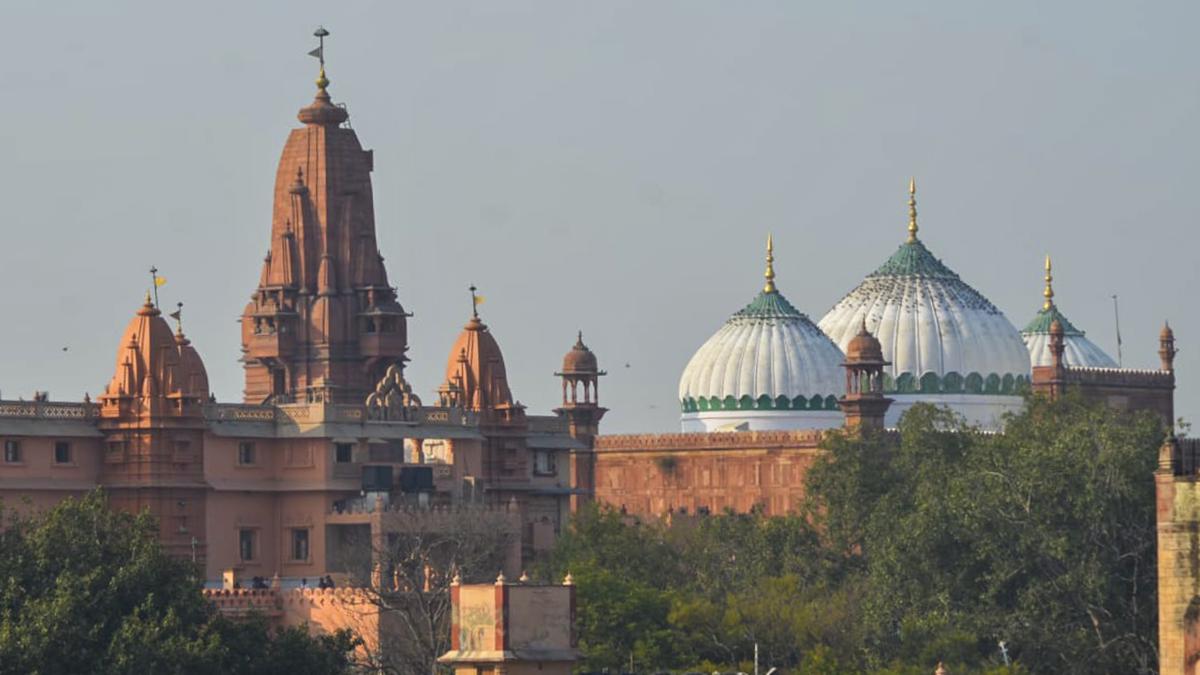
The Allahabad High Court on Thursday dismissed a plea by the Shahi Eidgah mosque committee in Mathura that challenged the maintainability of 18 lawsuits filed by Hindu devotees seeking removal of the mosque from a 13.37-acre complex it shares with the Katra Keshav Dev temple.
The court ruled that the Places of Worship Act, 1991 does not define the term 'religious character', and to invoke the Act, the religious character of a place must first be determined. The bench relied on a government notification from 1920 which, it said, indicated the existence of a pre-Aurangzeb temple at the site.
The main suit in the Krishna Janmabhoomi-Shahi Eidgah dispute demands the removal of the mosque, as the petitioners—Hindu worshippers—believe that the deity Lord Krishna was born at the location where the mosque now stands. The court's order allows these suits to proceed, marking a significant step in the long-standing legal battle.
The judgment noted that the 1920 notification was a crucial piece of evidence that could help determine the historical religious character of the site. The mosque committee had argued that the suits were barred under the Places of Worship Act, which prohibits changing the religious character of any place of worship as it existed on August 15, 1947. However, the court found that the Act does not automatically block the suits without a prior determination of the site's religious character.
The dispute has been ongoing for years, with both Hindu and Muslim groups claiming rights over the site. The court's decision is expected to be challenged in a higher court.