Nepal Says It May Not Have Original 1816 Treaty Documents Key to India Border Claim
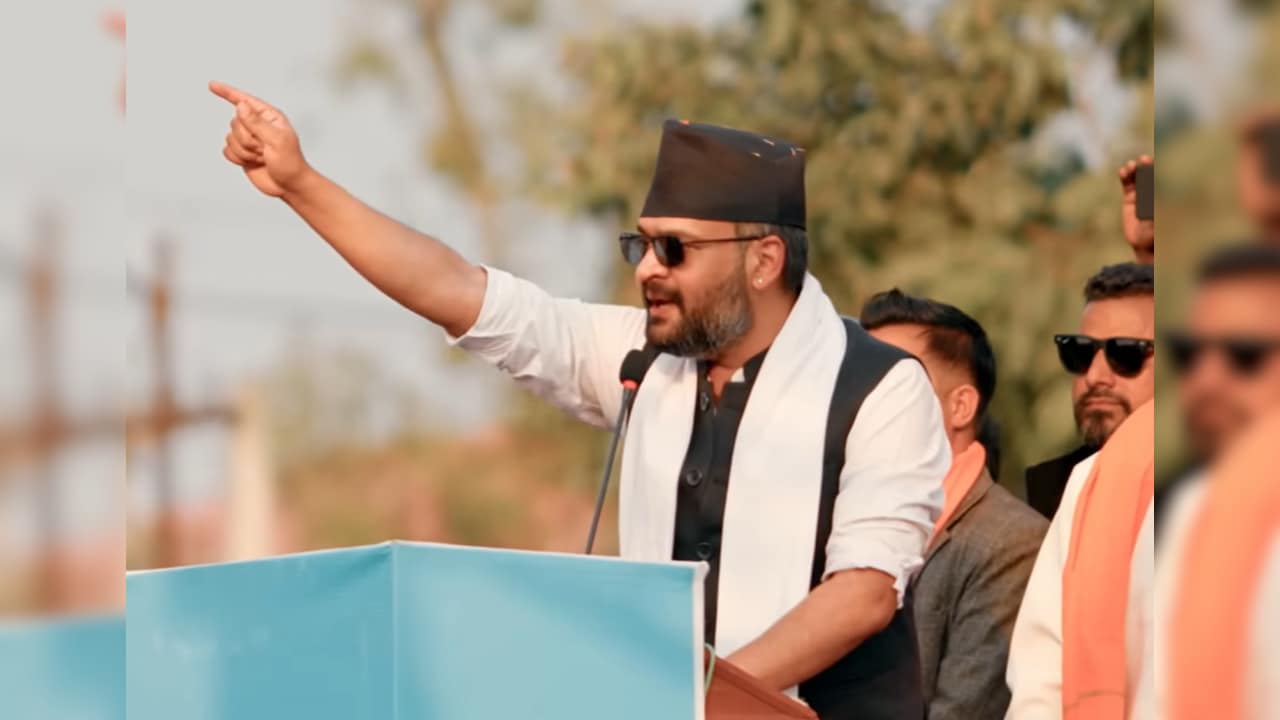
Nepal's government has said it cannot confirm whether it possesses the original documents of the 1816 Sugauli Treaty, a foundational legal basis for its territorial claims against India. Foreign Minister Shisir Khanal told the lower house of Parliament that while some treaty-related papers are stored in the National Archives, extensive searches have not located the definitive original signed document.
"The Government of Nepal does not have clear information on whether we possess the official treaty documents," Khanal said. "There are records showing that some documents related to certain treaties are kept at the National Archives. But we do not have clear information as to whether those are the actual official treaties."
The Sugauli Treaty was signed between Nepal and the British East India Company after the Anglo-Nepalese War (1814-1816). It defined Nepal's borders and remains central to modern disputes over the Kalapani, Lipulekh, and Limpiyadhura regions in the Himalayas. In 2019, Nepal's then Foreign Minister Pradeep Gyawali had said the country possessed copies of the treaties. Khanal's recent remarks suggest uncertainty about whether those copies include the original signed version.
The India-Nepal border dispute intensified in 2019 when India issued new maps showing Kalapani as part of its territory. Nepal objected, claiming the region belongs to its Sudurpashchim province. Nepal also claims Lipulekh and Limpiyadhura as its own, while India says these areas fall within its borders. The dispute has been exacerbated by an India-China agreement to reopen the Lipulekh Pass trade route.
In June, Nepal's Prime Minister Balen Shah was reported as saying that Nepal had also encroached on Indian territory, despite Kathmandu's consistent complaints about alleged Indian encroachment. The Nepal Foreign Ministry has reiterated that its official position on the disputed border areas remains unchanged and that unresolved issues should be addressed through diplomatic dialogue and mutual understanding with India.
Speaking at a conference on China-India-Nepal relations, Khanal said Nepal remains committed to strengthening its bilateral partnerships with both neighbours on the basis of sovereign equality, mutual respect, and mutual benefit. He added that Nepal seeks to resolve border issues through dialogue and to promote regional cooperation for connectivity, commerce, and sustainable development.