Nepal Flash Flood: Glacier Collapse Likely Cause, Experts Warn of Second Flood
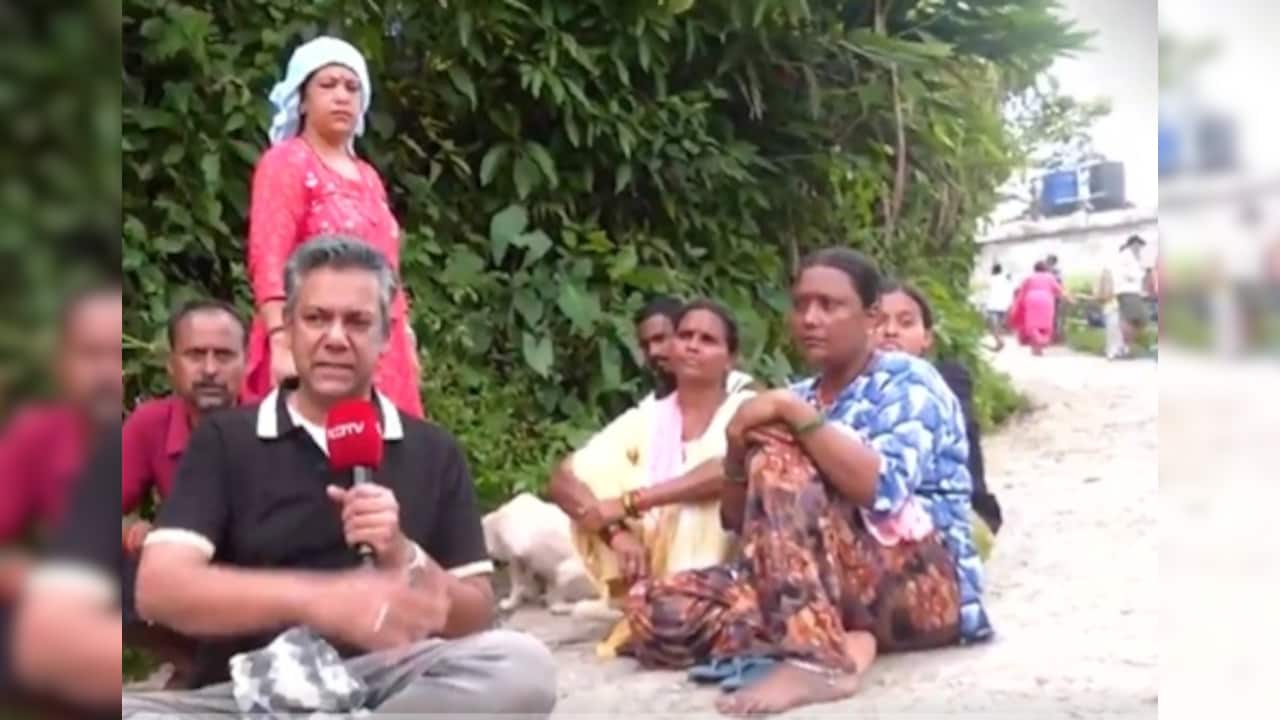
In the village of Battar in Nepal, families are waiting in anguish for news of their missing relatives after a flash flood swept through the Trishuli river valley earlier this week. Hundreds of people are reported missing, and entire villages were washed away by the sudden surge of water and debris.
The flood struck without much warning, catching many residents off guard. Eyewitnesses described a wall of water carrying rocks and mud that destroyed homes and infrastructure in its path. Nepal has witnessed glacial lake outburst floods in the past, and scientists have been monitoring changes in Himalayan glaciers. The Trishuli river basin is one of the areas under observation.
Mountaineer Sanjit Singh Balsaid, who is familiar with the region, described the event as most likely a glacial event. He said a glacier of approximately one kilometre in size probably broke away at an altitude of about 5,000 metres and travelled down the mountain. As it moved, it gathered water and debris, especially given the steep terrain. By the time it crossed the border on the Tibet side, there had been a drop of roughly 3,000 metres. The narrow gorge further channelized the energy, intensifying the flood's impact.
Dhananjay Regmi, a researcher on Himalayan glaciers in Nepal, told NDTV that the flow speed of the flood was about 300 km per hour, higher than previous estimates. He added that three lakes have now formed in the affected area, and the danger of another flood is imminent. Any new rockfall could cause a cascading effect across all three lakes, he warned. The only way to prevent this would be a controlled release of water, but there is no indication that such a step is being taken. For now, residents are advised to move to higher ground.
Officials have not yet commented on whether a controlled release is being planned. The immediate advice to residents is to remain on high alert and avoid low-lying areas.
Ashutosh Mishra, managing partner of Snowscapes, said that initial suspicions focused on a possible overflow from one of the three lakes. However, satellite imagery later showed that an area of about two square kilometres on the northern glacier of Langtang Lerung, a 7,000-metre peak, had collapsed. This points to a glacial collapse as the likely trigger of the flood. Langtang Lerung is part of the Langtang Himal range, which is known for its glaciers. The collapse area is significant, according to observers.
The exact cause of the collapse has not been confirmed. Experts have been asked whether rising global temperatures could be responsible, but no conclusive answer has been provided. The immediate priority is rescue and relief.
Local authorities, along with police and army personnel, have been deployed to search for survivors. Temporary shelters have been set up for those displaced. The human toll is evident in the desperate search efforts. One man, looking for his brother, said, "Even if our men aren't there, let's save their friends. The other Nepalis are our brothers." His words reflect the collective spirit of the community amid the tragedy.
Authorities have urged people to stay alert, as the threat of a second flood persists. Rescue operations are continuing in the affected region, while the search for the missing goes on. The full extent of the destruction is still being assessed, and communication lines in some areas remain disrupted, with relief teams working to reach isolated communities.