Mumbai accounts for majority of Maharashtra's dengue and malaria cases; peak yet to come, officials say
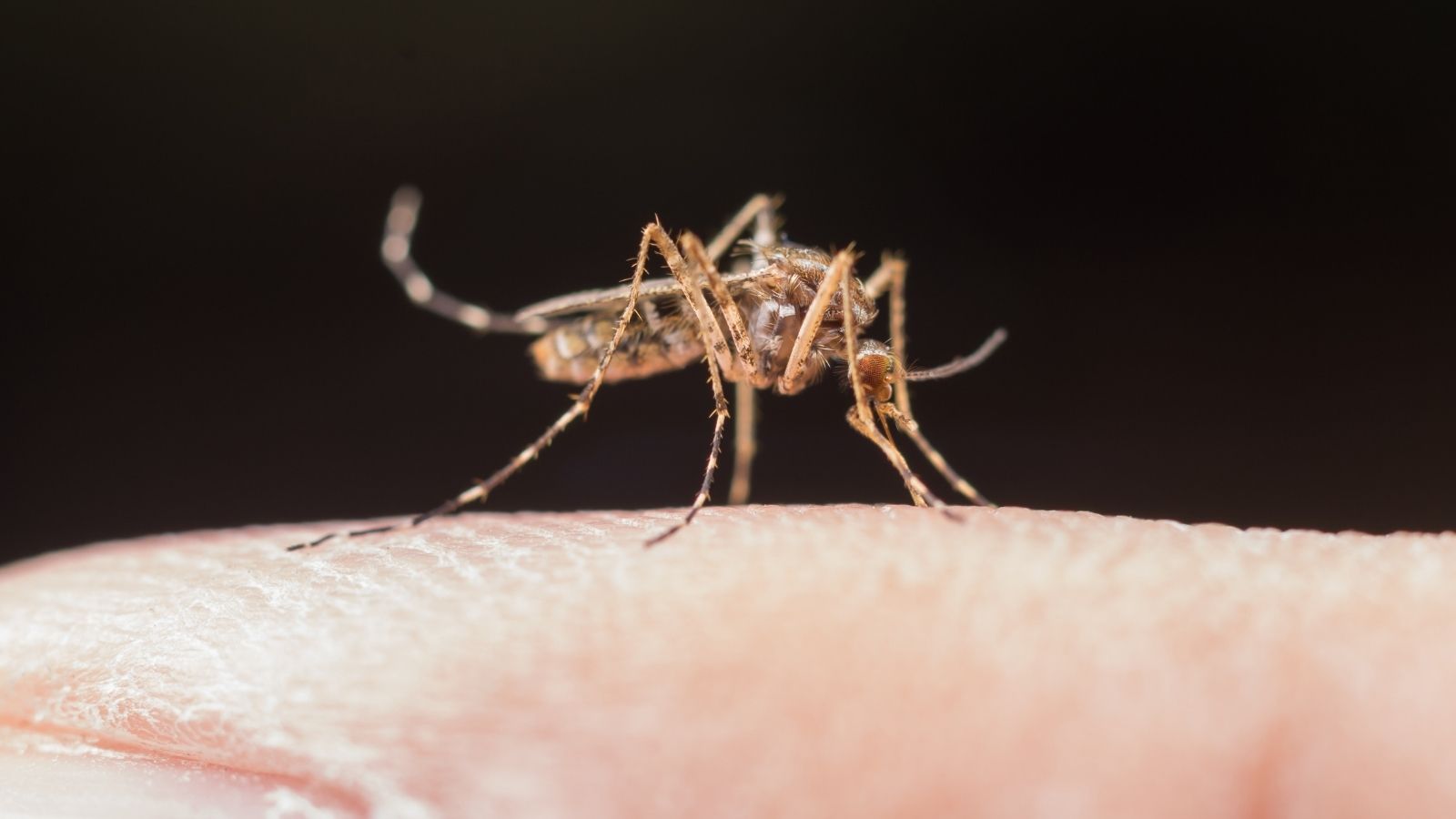
Mumbai continues to be the most affected city in Maharashtra for mosquito-borne diseases this monsoon season, recording a significant share of the state's dengue and malaria cases. Health officials have cautioned that the peak season for these diseases is still ahead.
According to data from the Maharashtra Public Health Department, from January 1 to July 14, 2026, the state reported a total of 3,115 dengue cases. Of these, Mumbai alone accounted for 938 cases, or roughly 30 per cent. The city also reported 3,681 malaria cases, which is the highest among all districts and municipal corporations in the state. Among the malaria cases, 575 were caused by the more severe Plasmodium falciparum strain, and 187 cases were imported.
While Maharashtra has seen a decline in mosquito-borne diseases compared to the same period last year, Mumbai's numbers remain high. As of July 7, the state recorded 5,459 malaria cases, down from 7,443 in 2025. Dengue cases fell from 4,344 to 3,115, and chikungunya cases dropped from 1,512 to 648. However, this year the state has recorded three dengue-related deaths, whereas there were none by July 7 last year.
Other areas in Maharashtra have also reported significant numbers. Among municipal corporations, Pune reported 354 dengue cases, followed by Thane (163), Akola (58), Kalyan (55), Panvel (55), Malegaon (50), and Kolhapur (45). Among districts, Pune recorded 158 dengue cases, followed by Palghar (139), Dhule (122), Latur (92), Jalgaon (77), Satara (75), Akola (58), and Thane (52).
For malaria, after Mumbai, the highest cases were in Thane (227), Panvel (197), Mira-Bhayandar (74), and Kalyan (65). Among districts, Gadchiroli topped with 673 cases, followed by Raigad (147) and Amravati (65).
Chikungunya cases were highest in Palghar district (173), followed by Pune district (96), Dhule (38), and Latur (33). Among municipal corporations, Mumbai and Akola each reported 28 cases.
Dr Sandeep Sangle, Joint Director (Malaria, Filaria and Water-Borne Diseases) of the Maharashtra Public Health Department, noted that while the current situation is not an outbreak, the risk of escalation remains. 'Intermittent rainfall creates stagnant water, providing ideal breeding conditions for mosquitoes. If rains continue periodically rather than continuously, the chances of mosquito breeding increase,' he said. He advised residents to ensure no water accumulates in containers, flower pots, coolers, and other household items.