MP High Court Upholds Disciplinary Action Against Judge Over Prejudged Acquittal
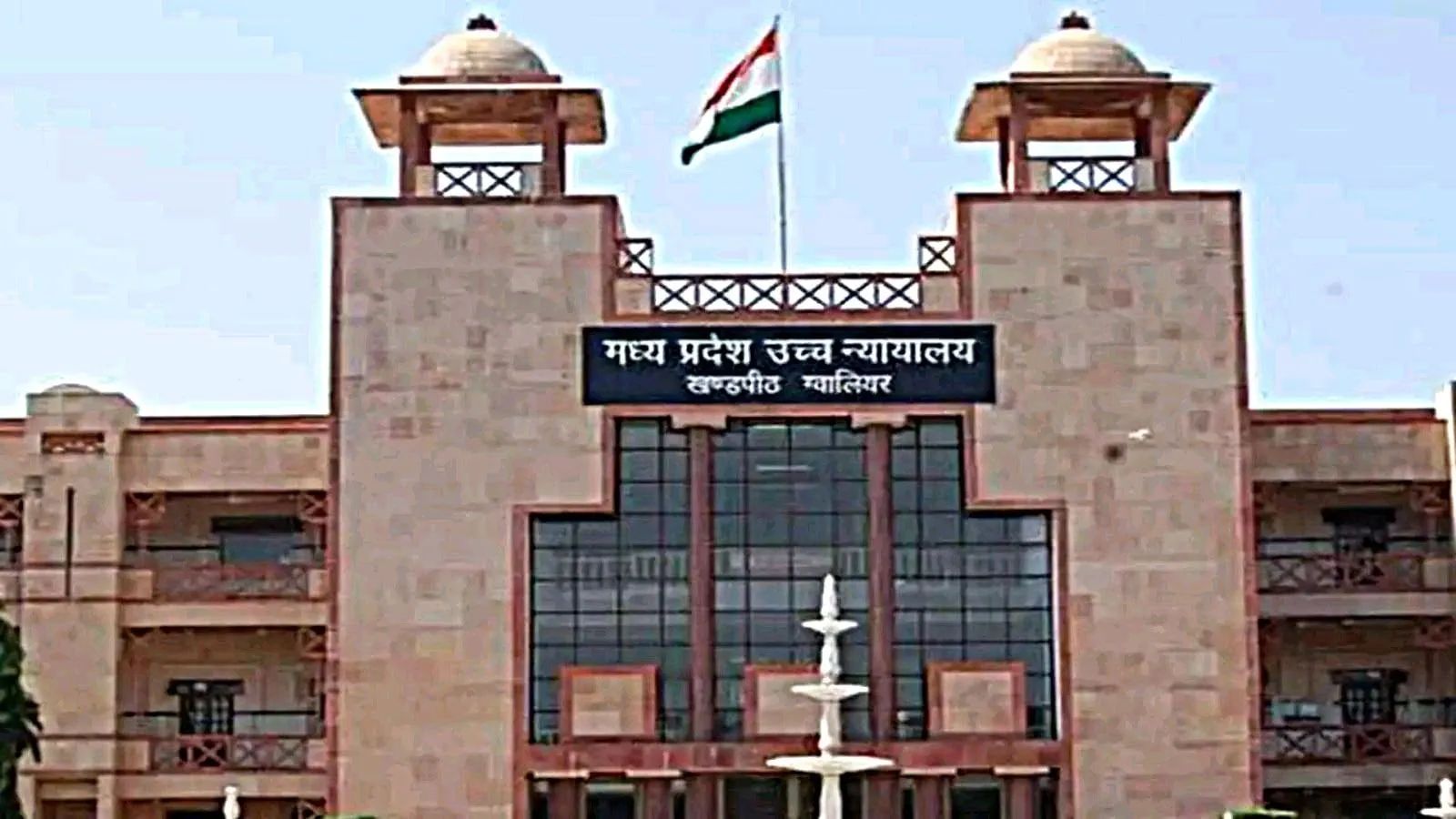
The Madhya Pradesh High Court has refused to quash departmental proceedings against a civil judge accused of preparing an acquittal judgment in a criminal case before its legal conclusion, emphasising that public confidence in the judiciary is a foundational pillar of the constitutional system.
A Division Bench of Justices Anand Pathak and B P Sharma dismissed a petition filed by the judge, who was serving as a Civil Judge, Senior Division, in Indore. The judge had challenged a chargesheet issued by the High Court on December 19, 2025, initiating disciplinary proceedings.
The allegations relate to a 2019 criminal trial in which the judge was accused of giving undue benefit to an IAS officer. According to the High Court's administrative inquiry, an acquittal judgment dated October 6, 2020, was prepared and brought into existence even though the criminal case had not been legally disposed of. The inquiry suggested the act was carried out as part of a conspiracy to confer an undue advantage upon the accused.
Following a vigilance inquiry, the disciplinary authority suspended the judge before issuing the impugned chargesheet and initiating a regular departmental inquiry.
The petitioner argued that the disciplinary proceedings were initiated while a criminal prosecution arising from the same facts was still pending, and that the chargesheet was issued after an unexplained delay of nearly five years, causing prejudice to his defence.
Rejecting the delay argument, the court observed that the nature of the allegations required detailed vigilance scrutiny. “The allegations levelled against the petitioner concern preparation of an acquittal judgment of an accused person despite the criminal case not having been lawfully concluded. Such allegations are of the gravest nature and concern the integrity of the judicial institution itself,” the Bench said.
The court noted that the petitioner had not demonstrated any specific prejudice from the delay, and a mere assertion could not be accepted without material particulars.
On the argument that departmental proceedings should await the criminal trial outcome, the court reaffirmed the settled legal position that disciplinary proceedings and criminal trials operate in distinct fields and serve different purposes. It added that the inquiry “cannot be indefinitely postponed awaiting conclusion of criminal proceedings, the duration of which remains uncertain.”
Emphasising the special responsibilities of judicial office, the court stated: “Public confidence in the judiciary constitutes one of the foundational pillars of the constitutional system. The disciplinary authority is under an obligation to ascertain whether the conduct of a judicial officer conforms to the standards of integrity and propriety expected from the office held by him.”
The court also held that the chargesheet contained specific articles of charge supported by statements of imputations and witnesses, rejecting the claim of vagueness.







