Modi Urges G7 to Provide Financial Aid to Global South Amid West Asia Crisis
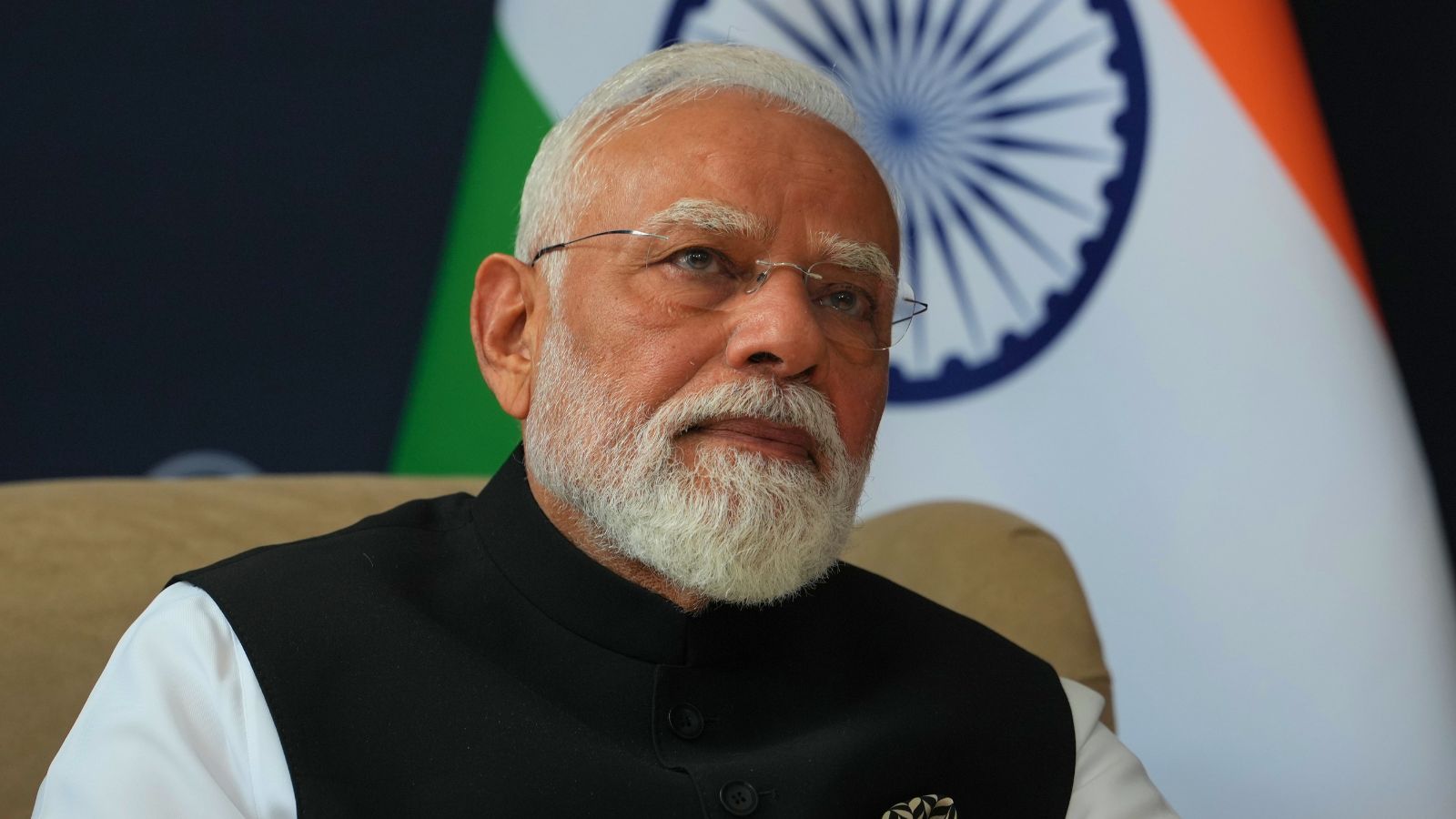
Prime Minister Narendra Modi addressed the G7 summit in Evian-les-Bains, France, on Wednesday, highlighting the severe and prolonged impacts of the West Asia conflict on the Global South. Speaking at an outreach session titled 'Reviving a Balanced, Shared and Sustainable Economic Growth for All', Modi emphasised that disruptions in fuel, fertiliser and food supply chains would continue to affect developing nations for a considerable period.
He stressed that the most vulnerable countries should not be left to bear the burden of these crises alone. 'Our international financial institutions should develop support mechanisms that help developing countries absorb these shocks and maintain their economic resilience,' Modi said, referring to bodies like the World Bank, IMF, OECD and African Development Bank, which were also present at the summit.
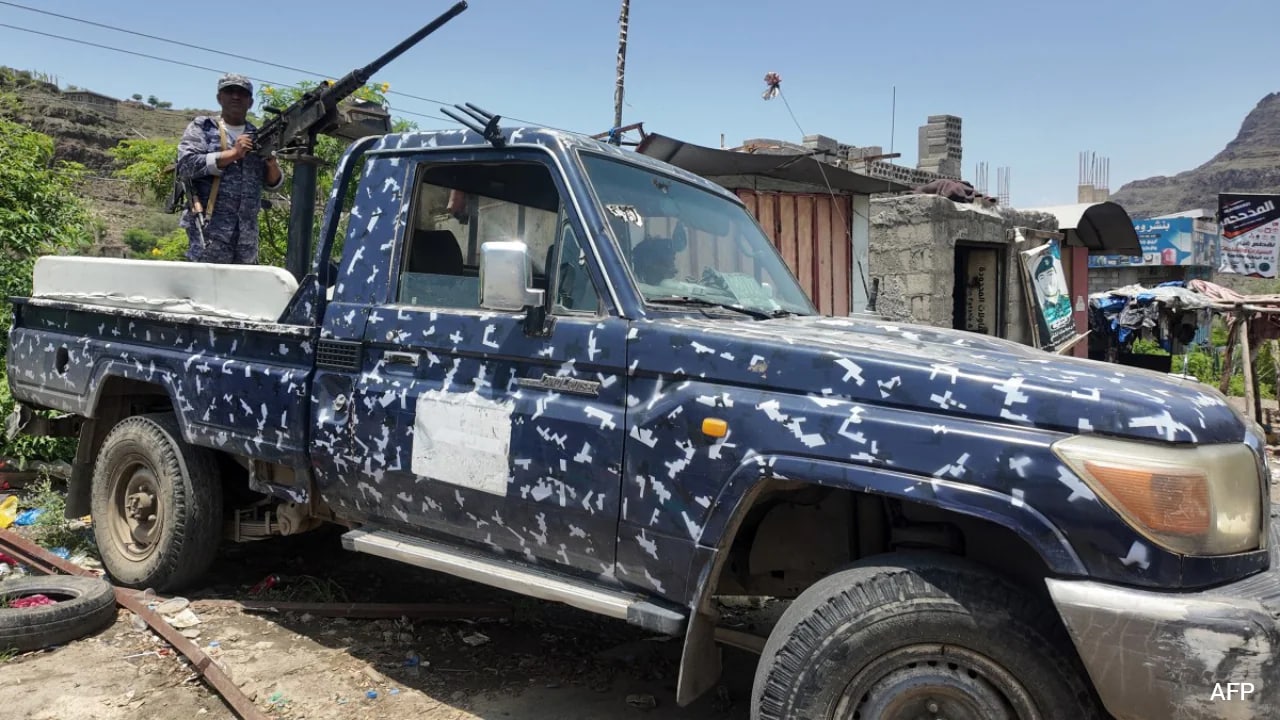
The war in West Asia has severely disrupted shipping routes, particularly through the Strait of Hormuz, leading to shortages and price surges in LPG, LNG, diesel, petrol and fertilisers. These disruptions have cascading effects on the economies of India and other developing nations in Asia, Africa and Latin America.
Modi articulated the collective concerns of the Global South, noting that the bloc had 'high expectations of the international community' and sought partnership, not mere support. He questioned the conventional metrics of growth, stating, 'The real question is: Growth for whom, with whom and in what direction?'
Drawing from India's experience, he said shared development could transform aspirations into reality through inclusion, scale and democratic empowerment. He cited India's growth story, inspired by the principle of 'Sabka Saath, Sabka Vikas, Sabka Vishwas, Sabka Prayas' (Together with all, development for all, trust of all, efforts by all), and referenced initiatives like India's G20 Presidency and the India-Middle East-Europe Economic Corridor (IMEC), launched in September 2023.
Proposing new collaborative mechanisms, Modi suggested establishing an International Mobilisation Partnership for Accelerating Connectivity and Trade (IMPACT). This partnership would combine G7 capital, India's talent, and ownership by Global South countries, and could extend to connectivity projects in Africa, Latin America and the Pacific Islands.
Addressing demographic trends, he noted that many developed societies are ageing, while India and other Global South nations possess an abundance of young talent and skills. He proposed a Global Skills Partnership to map skills and promote trusted mobility, aligning with India's existing mobility pacts with various developed countries that facilitate legal migration of skilled and semi-skilled professionals.
The outreach session saw participation from G7 member states and partner countries such as Brazil, Egypt, South Korea, Kenya, Ukraine, Qatar and the UAE. Modi acknowledged the French G7 Presidency for prioritising the concerns of the Global South.
The discussions at the summit underscored the urgent need for international cooperation to address the uneven economic shocks caused by geopolitical conflicts and to build a more resilient and inclusive global economy.