Lake Kariba boat tragedy: Rescue on as 95 feared aboard, ticket sales suggest over 114
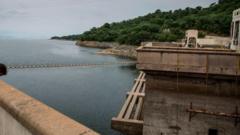
Harare: A passenger boat has sunk on Lake Kariba in Zimbabwe, triggering a major rescue operation. Police have stated that the vessel was carrying 95 people — 90 passengers and five crew members — when it capsized on Tuesday. However, official ticket records indicate that a higher number of people were on board, potentially including children who travel without tickets.
The boat had departed in the morning despite bad weather conditions. A witness who spoke to AFP said the vessel may have been hit by a large wave and overturned. The exact cause of the sinking has not yet been established, and authorities have not confirmed any casualties or rescues so far.
Lake Kariba, one of the world's largest man-made reservoirs, straddles the border between Zimbabwe and Zambia. It is a vital resource for both countries, supporting transport, fishing, and the generation of hydroelectric power. The lake is also a common route for local communities, with boats like the one that sank used for travel across its vast expanse.
Confirming the incident, Zimbabwe's police said in a statement that "details, including the number of people who have died and those rescued, will be released in due course." The statement did not provide a timeline for further information.
Meanwhile, discrepancies in the official count have raised concerns. The Associated Press quoted the country's Civil Protection Unit as saying that registered ticket sales showed 114 adults were on the vessel. That figure does not include children who were below ticketing age, and the actual number aboard could be higher.
Mutsa Murombedzi, a local member of parliament, posted a video on X (formerly Twitter) showing what she said was the boat at the start of its journey. In her post, she questioned the official narrative, writing: "We have very hard questions that require honest answers. The officials must release the correct number of people who were onboard."
The boat's route typically takes about five hours, and locals rely on such vessels to travel across the lake to Kariba town for trade, work, and access to services. The tragedy highlights the risks associated with water transport in the region, particularly when vessels are overloaded or weather conditions worsen.
Rescue teams, including local authorities and volunteers, are combing the area for survivors. The operation is being hampered by the size of the lake and the challenges of coordinating efforts across a vast body of water. No official statement has yet been made on the number of survivors or the fate of those unaccounted for.
This incident has also drawn attention to broader safety concerns. Reports suggest the boat may have been overloaded, and the lack of comprehensive passenger manifests or safety measures on many local vessels is a recurring issue in the region. Officials have promised a full investigation into the circumstances surrounding the sinking.
The government of Zimbabwe has expressed condolences to the families of those affected, though it has not yet issued a formal statement. As the rescue operation continues, families of passengers are anxiously awaiting news, while observers are calling for transparent and accurate information.
The full scale of the tragedy remains unclear, and the coming days are expected to bring more definitive figures. For now, the focus remains on search and rescue efforts, as well as on ensuring that any official response is grounded in verified facts and accountability.