Kerala's Monsoon: From Beloved Rain to Deadly Landslides
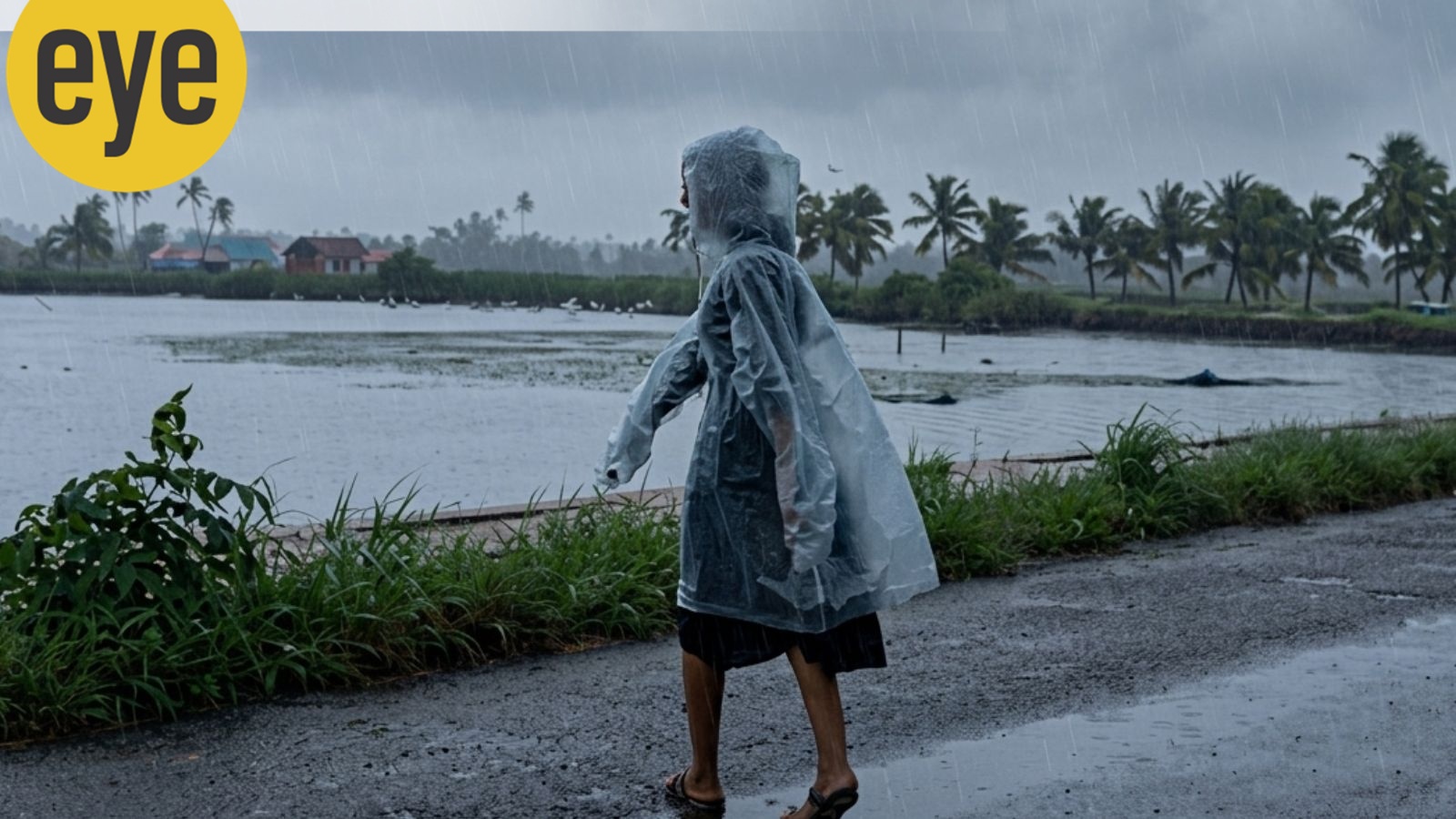
For generations, the monsoon has been deeply woven into Kerala's cultural fabric. It inspired films, literature, and daily rituals — from the first sip of black tea during heavy showers to the annual race between umbrella makers to create innovative designs. But in recent years, this cherished season has become increasingly deadly.
In 2018, catastrophic floods submerged much of the state, killing over 400 people. In 2019, landslides in Kavalappara claimed 226 lives, with 138 more missing. In 2024, Mundakkai and Chooralmala witnessed over 250 deaths, with many victims identified only through DNA from body parts. The most recent tragedy occurred on July 7, when heavy rain triggered a landslide near Meppadi in Wayanad, killing eight migrant workers at a tunnel construction site. Officials had ordered the removal of loose excavated earth on June 20 and June 25, but no action was taken before the rain brought it down.
The monsoon that once provided a backdrop for romance and reflection now brings fear and devastation. Kerala's hills, once lush and stable, are increasingly prone to landslides due to a combination of extreme rainfall, deforestation, and unregulated construction. The shift has forced the state to confront a harsh reality: the rain that sustained its culture and agriculture is now a threat to life and property.
While the monsoon will always hold a place in the state's identity, the growing frequency of disasters demands urgent action. Improved early warning systems, better land-use planning, and stricter enforcement of safety regulations are essential to prevent further loss of life. Kerala must adapt to a changing climate that turns its most iconic season into its most dangerous.


