Asiatic Lion Population Soars to 891, But Human-Wildlife Conflict Intensifies in Gujarat
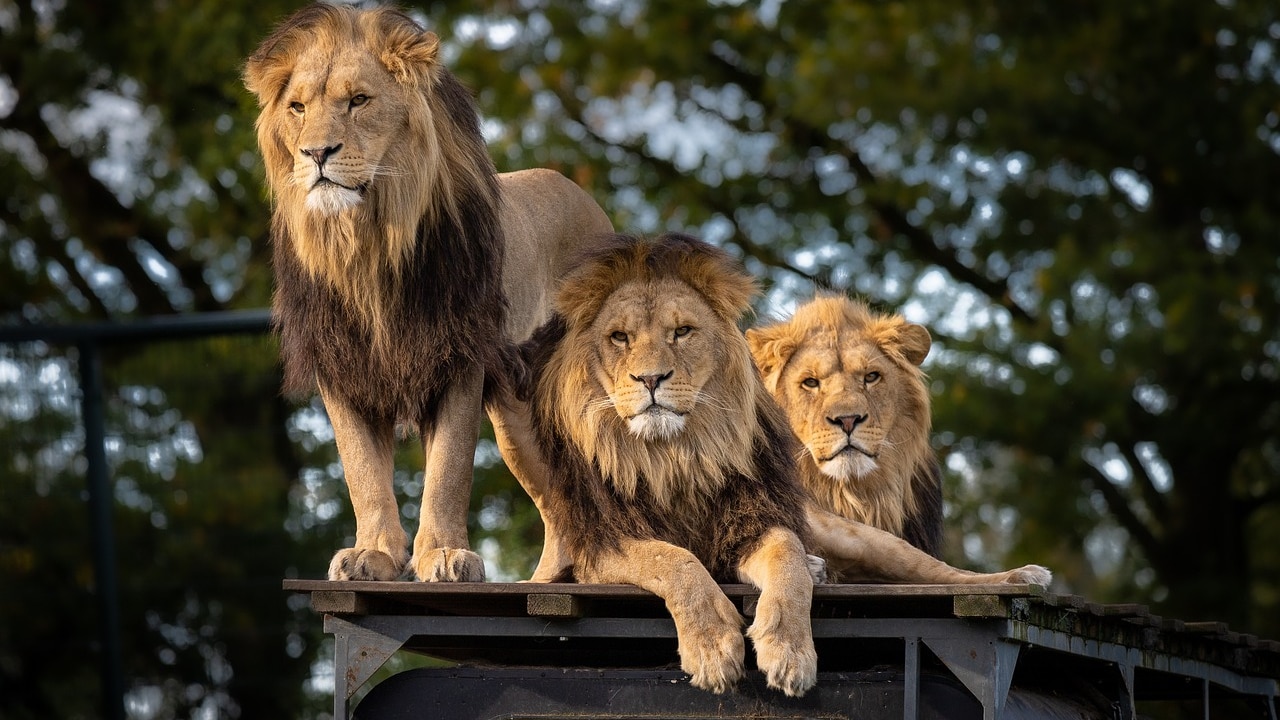
Gujarat's Asiatic lion population has reached a record high of 891 individuals, according to the 2025 census. While this marks a remarkable conservation success — a 214 per cent increase since 1990 — it has also led to a surge in conflicts between lions and human communities across the Greater Gir landscape. In recent months, a series of fatal attacks and close encounters have left residents anxious and forest authorities struggling to maintain the delicate balance between protecting the species and ensuring public safety.
Lions are increasingly moving beyond the boundaries of protected areas, entering agricultural fields, grasslands, and coastal zones. This territorial expansion has resulted in regular interactions with rural populations. Incidents in early 2025 have highlighted the growing tension: a five-year-old boy was killed by a lioness in Amreli district in March; a 29-year-old restaurant employee was fatally mauled in June; and in July, a 12-year-old boy was dragged away and killed near the Ambaji Temple in Junagadh district. These events have prompted authorities to step up monitoring and community awareness programmes.
Residents on the fringes of lion habitats have adapted their daily routines to mitigate risk. In some villages, patrolling has been increased, cameras installed outside homes, and people avoid venturing out alone at night. Farmers report that livestock depredation has become common, with dogs and cattle being easy targets. Despite these challenges, many locals express a willingness to coexist, attributing the rise in conflict to irresponsible behaviour by outsiders, such as unauthorised lion-watching tours that disturb the animals, particularly during mating season.
Wildlife experts point out that the core issue is not a shortage of habitat but a behavioural shift driven by human interference. During critical mating periods, lions require privacy, and disruptions from illegal tourism can provoke aggressive responses. The state government has introduced Standard Operating Procedures to address these challenges, balancing strict enforcement of wildlife protection laws with measures to safeguard communities. The forest department has increased patrolling, set up early warning systems, and compensated victims of attacks.
The Asiatic lion, once on the brink of extinction, now inhabits five protected zones: Gir National Park, Gir Wildlife Sanctuary, Paniya Sanctuary, Mitiyala Sanctuary, and Girnar Wildlife Sanctuary. Their range has expanded by 430 per cent since 1990, covering over 30,000 square kilometres. This growth is a testament to successful conservation efforts, but it also underscores the need for continued coexistence strategies. As the lion population grows, managing human-wildlife conflict becomes an increasingly critical challenge for Gujarat — one that demands both ecological understanding and community engagement.