Northeast on Alert: Heavy Rain Predicted for Next 4 Days, Red Alert in Arunachal
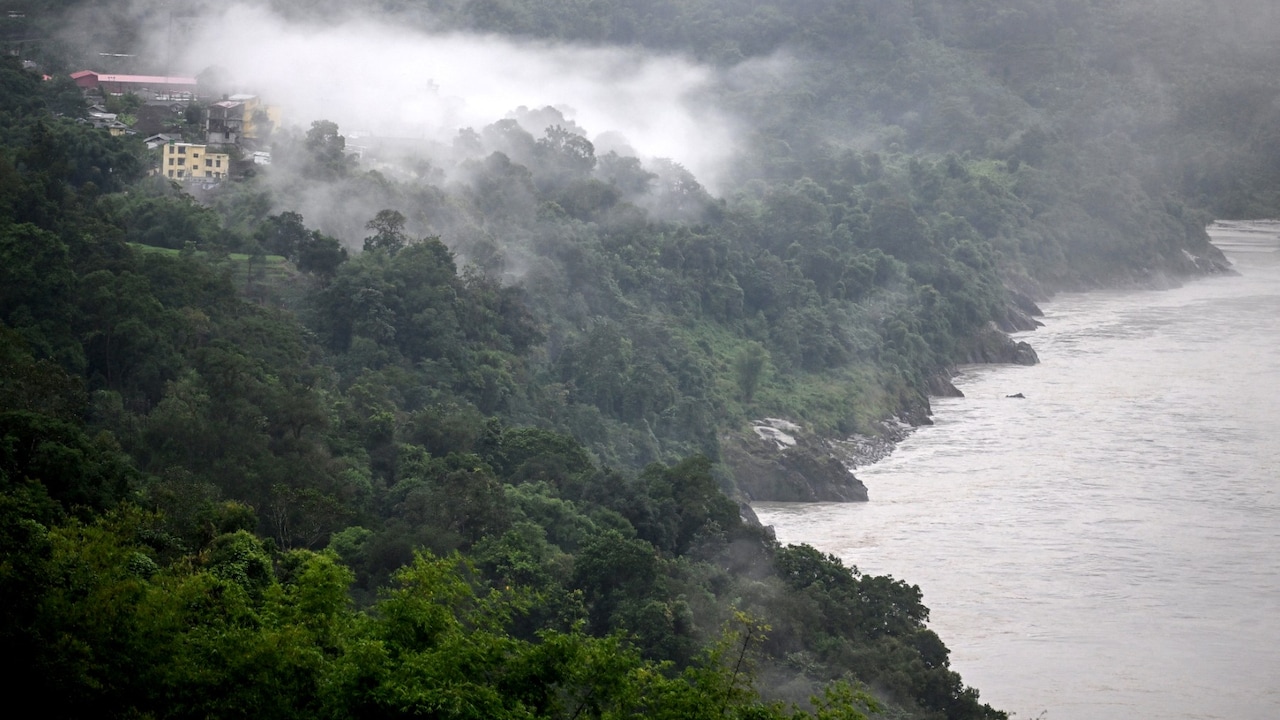
The Regional Weather Forecasting Centre (RWFC) in Guwahati has issued a forecast for widespread rain across Northeast India over the next four days, with Arunachal Pradesh expected to receive the heaviest rainfall.
According to the latest bulletin, Assam, Arunachal Pradesh, Meghalaya, Nagaland, Manipur, Mizoram, and Tripura will experience widespread rainfall on July 17 and 18. Rain activity is likely to remain fairly widespread on July 19 before gradually easing, and by July 21, only scattered rainfall is expected over most parts of the region.
The RWFC has placed several northeastern states under an Orange Alert for July 17. On July 18, the warning escalates for Arunachal Pradesh, where a Red Alert has been issued for extremely heavy rainfall. The alert is expected to be downgraded to Yellow from July 19 as weather conditions improve.
Within Arunachal Pradesh, the Meteorological Centre at Itanagar has identified Papum Pare and Kurung Kumey as the districts facing the highest risk. Papum Pare is under a Red Alert from July 17 to July 19, with 12 to 20 cm of rain expected at isolated places in 24 hours, accompanied by thunderstorms and lightning. Kurung Kumey will remain under a Red Alert on July 18 and 19, with 6 to 11 cm of rainfall expected at isolated locations along with thunderstorms and lightning.
An Orange Alert has also been issued for Anjaw on July 18 and 19, where very heavy rainfall is likely. Heavy rain with thunderstorms and lightning has also been forecast for Lohit, Pakke Kessang, Lower Subansiri, Tawang, West Kameng, and East Kameng.
The weather office has cautioned that the prolonged spell of rain could trigger flash floods, landslides, mudslides, and overflowing streams in vulnerable areas. Waterlogging, falling trees, and disruption of road connectivity are also likely, particularly in hill districts, while low-lying areas may experience temporary flooding.
Residents in vulnerable locations are advised to stay alert, avoid unnecessary travel during intense rainfall, keep away from landslide-prone slopes and swollen rivers, and follow advisories issued by local authorities and disaster management agencies.