Delhi to Let Diesel Trucks Transfer Cargo to EVs at City Borders to Curb Pollution
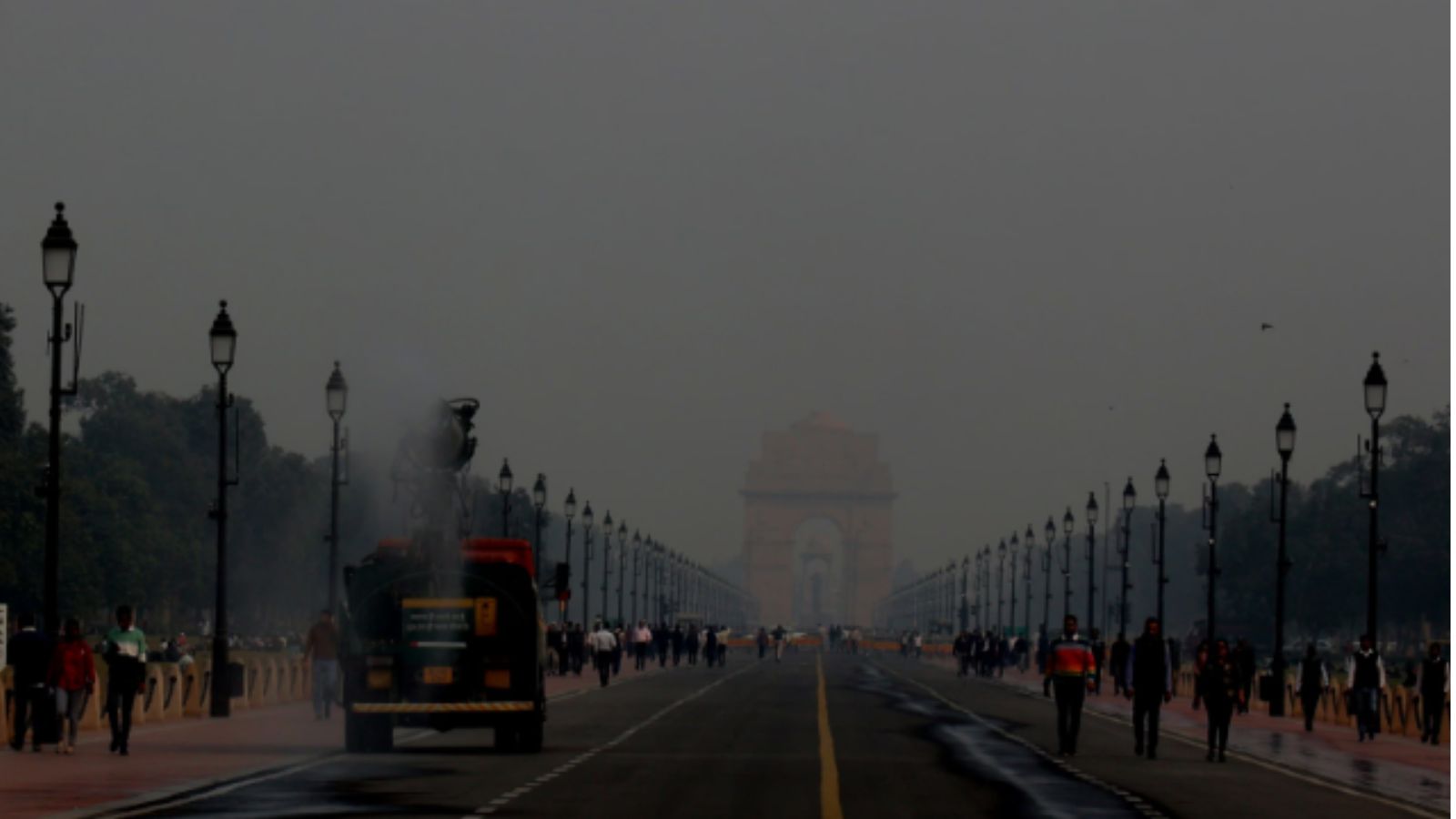
Every winter, thousands of diesel trucks are stopped at Delhi's borders when pollution curbs under the Graded Response Action Plan (GRAP) restrict their entry. Now, a proposed network of five multimodal logistics hubs around the National Capital Region (NCR) could allow their cargo to continue its journey without the polluting trucks entering the city.
These hubs would serve as freight interchange points outside Delhi, where long-haul diesel trucks from neighbouring states would transfer their trailers or cargo to electric trucks for the final leg into the capital, according to officials familiar with the plan. The aim is to reduce freight emissions while improving logistics efficiency.
Proposed under the Centre's National Highways for EV (NHEV) initiative, a public-private partnership, the hubs are planned at Sonipat, Faridabad, Ghaziabad, Greater Noida and Gurgaon. In the initial phase, the plan aims to shift nearly half of the long-haul freight entering Delhi to this hub-and-spoke model.
Abhijeet Sinha, Project Director at NHEV, said, 'The long-term objective is for diesel trucks to stop at the city's edge, with only zero-emission freight vehicles entering Delhi.'
Officials said the phased approach addresses a recurring problem logistics operators face during severe air pollution episodes. Under Stage IV of GRAP, entry of diesel medium and heavy goods vehicles is restricted, except for those carrying essential commodities or meeting specified exemptions. This often leaves loaded trucks stranded outside the city and disrupts supply chains.
The proposal comes amid growing concern over emissions from interstate freight traffic. A June study by IIT Delhi, TERI and the Air Pollution Action Group (A-PAG) found that nearly 17,000 heavy-duty trucks enter Delhi every day, making them one of the capital's biggest yet least-addressed sources of transport pollution. While accounting for only a fraction of vehicles on the road, these trucks contribute about 23% of transport-sector Particulate Matter (PM) 2.5 emissions, with their impact rising sharply at night when most are allowed to enter the city.
Each hub is proposed to be spread over about six to eight acres, including a core operational area of about five acres and additional space for truck parking. The first phase would involve land acquisition, construction of logistics infrastructure, and installation of charging stations for electric commercial vehicles, with operations expected to begin within the next 16 to 18 months.
According to officials, land parcels are currently being identified and earmarked for the facilities. The challenge, they said, is to secure the periphery and ensure no polluting truck enters Delhi through arterial roads. To address this, electronic enforcement systems are being planned along these routes to ensure that trucks required to use the freight hubs do not bypass them and enter Delhi directly.
Unlike conventional trans-shipment facilities, the proposed model is centred on a trailer-exchange system. This means a diesel tractor unit arriving at a logistics hub would detach its trailer, which would then be coupled to an electric tractor for onward movement into Delhi. Since trailers follow standard dimensions and coupling systems, they can be hauled by tractor units from different manufacturers, such as Ashok Leyland or Tata Motors, without opening the container, officials said.
In cases where the consignee requires cargo to be segregated or delivered in smaller loads, the container can be opened at the logistics hub. These would be segregated and sorted according to destination and loaded onto smaller electric commercial vehicles, such as five- or six-tonne trucks, for last-mile deliveries, officials added.
The project is currently in the planning stage, with officials expecting to submit the proposal to the government in October. If approved, it could significantly reduce emissions from freight transport in the national capital region.