JD Vance Delays Iran Nuclear Talks in Switzerland Amid Logistical Hurdles
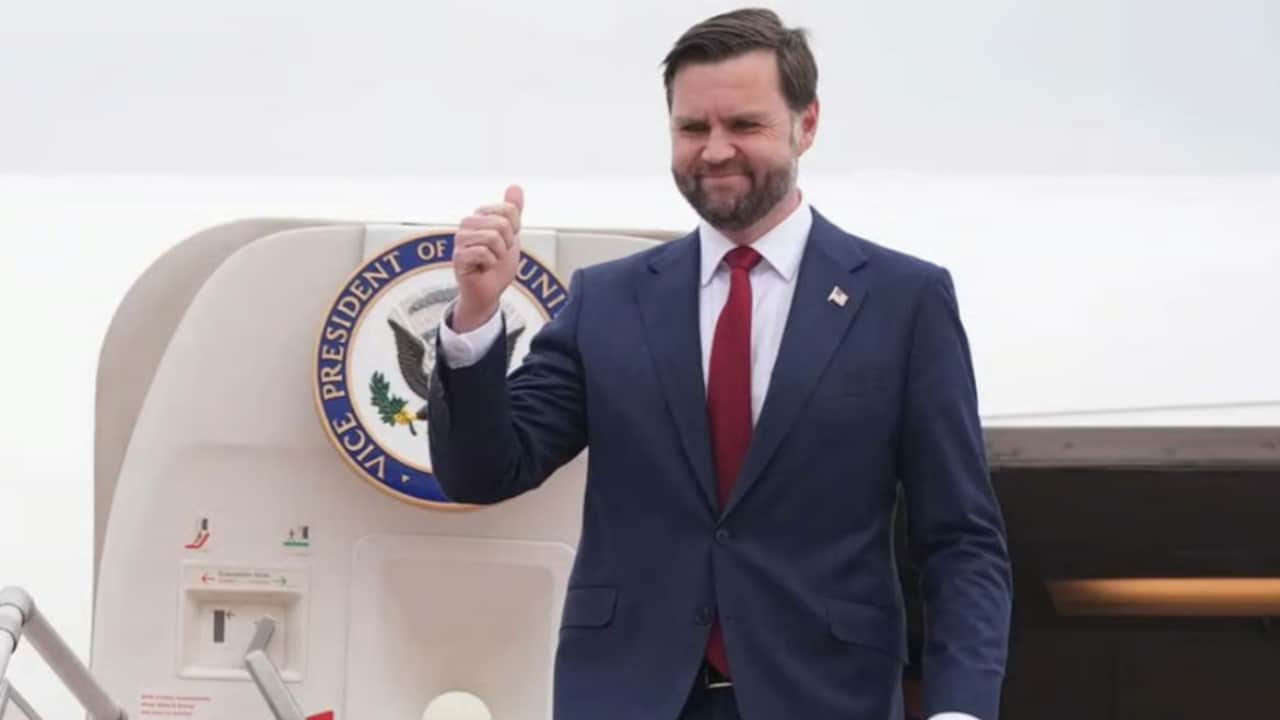
The White House announced Thursday night that Vice President JD Vance has postponed a planned trip to Switzerland, where he was scheduled to lead a new round of negotiations with Iran over its nuclear programme. The delay raises questions about the future of a tentative agreement aimed at ending the conflict.
According to the White House, the team led by Vance was ready to depart but postponed due to difficult logistics for the talks. The announcement followed a report from Al-Mayadeen, a pan-Arab channel aligned with Hezbollah, stating that Iran was delaying its delegation over Israel's military campaign in Lebanon.
Vance, initially sceptical of war with Iran, has become the administration's key figure in the conflict and has defended the deal. Earlier Thursday, he appeared at the White House to support the initial ceasefire extension of 60 days, allowing more time for negotiations. He argued that while the deal offers concessions, Iran must first comply with US demands. 'As they dial up their good behaviour, we can dial up economic relief,' he said. 'If they dial down, we can turn it off.'
The vice president also indicated uncertainty about the timing of his Switzerland trip, saying talks might not begin this week. The formal postponement makes the timeline even less clear.
The delay comes as the US announced it had lifted its blockade on the Strait of Hormuz, allowing oil tankers to resume free passage after months of restrictions. The tentative agreement has drawn criticism from some US lawmakers, including a few congressional Republicans, who argue that Washington granted too many concessions, including sanctions relief and a potential $300 billion fund for reconstruction.
Earlier, a top Trump administration envoy, Steve Witkoff, privately briefed US lawmakers that Iran would invite the International Atomic Energy Agency (IAEA) to inspect its nuclear sites. Iranian Supreme Leader Ayatollah Mojtaba Khamenei appeared to endorse direct negotiations, stating, 'Face-to-face negotiations will not mean accepting the enemy's opinion.' This marked a shift from previous hard-line opposition to talks, especially after the US withdrawal from the 2015 nuclear deal.
The agreement stipulates that Iran's stockpile of highly enriched uranium must be diluted under international supervision. Iran has also committed not to procure or develop nuclear weapons, a promise it has made previously. Witkoff told Congress that Iran will invite the IAEA to inspect its sites and begin uncovering enriched material believed to be buried under rubble.
White House spokeswoman Olivia Wales said the agreement requires Iran to 'commit to renounce their nuclear ambitions in writing.' The IAEA did not respond to requests for comment. Witkoff informed congressional leaders that the US-Iran agreement included no side deals, though a side letter between Tehran and the IAEA extended the inspection invitation.


