Iran suspends interim deal commitments as US strikes continue, escalating Strait of Hormuz conflict

The United States and Iran exchanged strikes on infrastructure and military targets on Saturday (July 18, 2026), as an Iranian negotiator said Tehran had suspended its commitments under the interim deal with Washington. The move further strained the fragile diplomatic path amid an ongoing war with no end in sight.
Conflict over the Strait of Hormuz — a vital waterway that previously carried a fifth of the world's crude oil — has intensified. The widening strikes endangered civilians and essential services, while global economic markets remained on alert.
The U.S. Central Command reported early Saturday that its seventh consecutive night of strikes hit “surveillance sites, military logistics infrastructure, underground weapons storage, and maritime capabilities.”
Iran's deputy foreign minister, Kazem Gharibabadi, told state TV that the United States had violated its commitments under the deal signed about a month ago, and Iran was “no longer implementing them.”
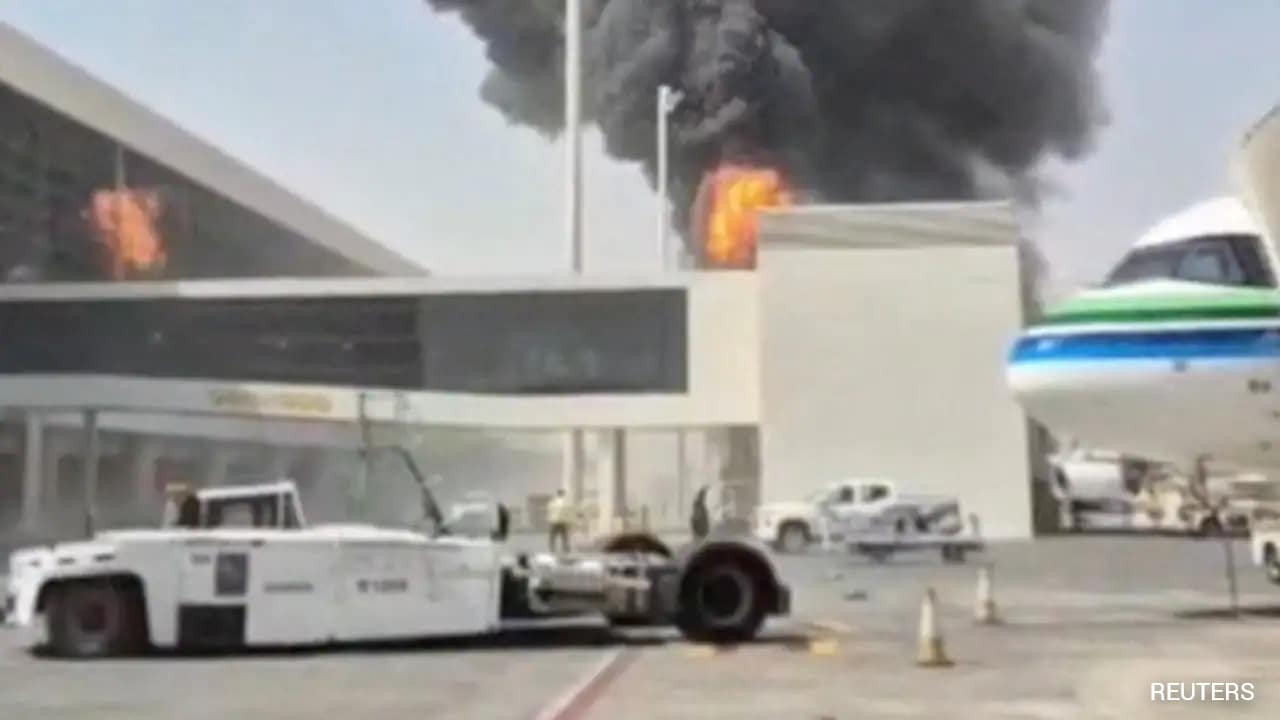
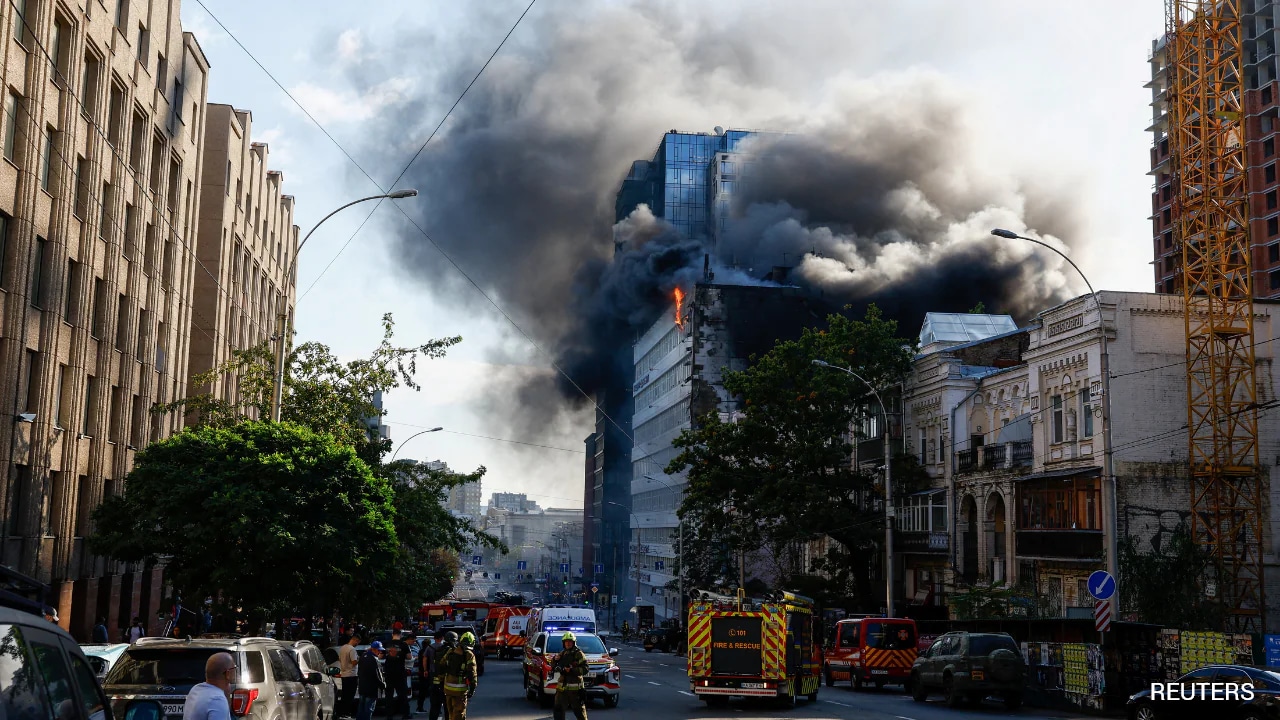
In Kuwait, the most significant damage occurred when Iran struck a water desalination plant and an oil facility, according to Kuwaiti authorities and the Kuwait Petroleum Corporation. Both declined to provide specific locations. The strikes injured several people at the oil facility and caused a fire at the desalination plant, forcing several power generation units offline. This was the second attack against a desalination plant in two days in the tiny desert nation, which depends on desalination for 90% of its drinking water. Several firefighters and a worker were injured while battling two other blazes sparked by Iranian strikes, according to the Kuwait Fire Force. Kuwait briefly closed its airspace due to missile threats, and Kuwait Airways rescheduled most flights to and from the capital.
The Islamic Revolutionary Guard Corps stepped up its warning that countries hosting U.S. forces should be “prepared to receive a corresponding response,” according to Iran's state TV.
Iraq reported shooting down attack drones over the city of Irbil. Jordan's state-run Petra news agency said the kingdom's air defence systems had downed Iranian missiles, while air sirens sounded multiple times in Bahrain and in Saudi Arabia, according to their governments.
Iranian officials said recent U.S. strikes have killed dozens of people and wounded hundreds in Iran. The U.S. military acknowledged that several more of its service members were injured.
Iran effectively closed the Strait of Hormuz to shipping traffic after the war began with U.S. and Israeli strikes on February 28. This sent the price of oil soaring and gave Iran significant leverage in negotiations. Oil prices rose Friday (July 17, 2026) above $86 a barrel, close to its highest level in a month, as crossings through the strait fell to a three-week low, according to an international shipping tracker.
Before the war, the United States had been in talks with Iran over its nuclear programme. U.S. President Donald Trump faces political pressure to end the war and avoid a prolonged West Asia conflict, which he had campaigned against.
U.S. airstrikes hit an electricity and desalination plant in Iran's southern Hormozgan province, Iranian state TV reported. The attacks targeted Bonji, a coastal village on the strait. Overnight strikes damaged two tunnels and a bridge, disrupting one of the main highways toward Bandar Abbas, Iran's main port near the narrowest part of the strait, according to Iran's state-run news agency. Iran also reported strikes on strategic Qeshm Island inside the strait.
Iran acknowledged “attacks on power infrastructure” during the U.S. airstrikes for the first time on Friday (July 17, 2026), when its Energy Ministry issued a call for people to use less power.