Iran: Hardline Factions Accuse President of Betrayal Amid Power Struggle After Khamenei's Death
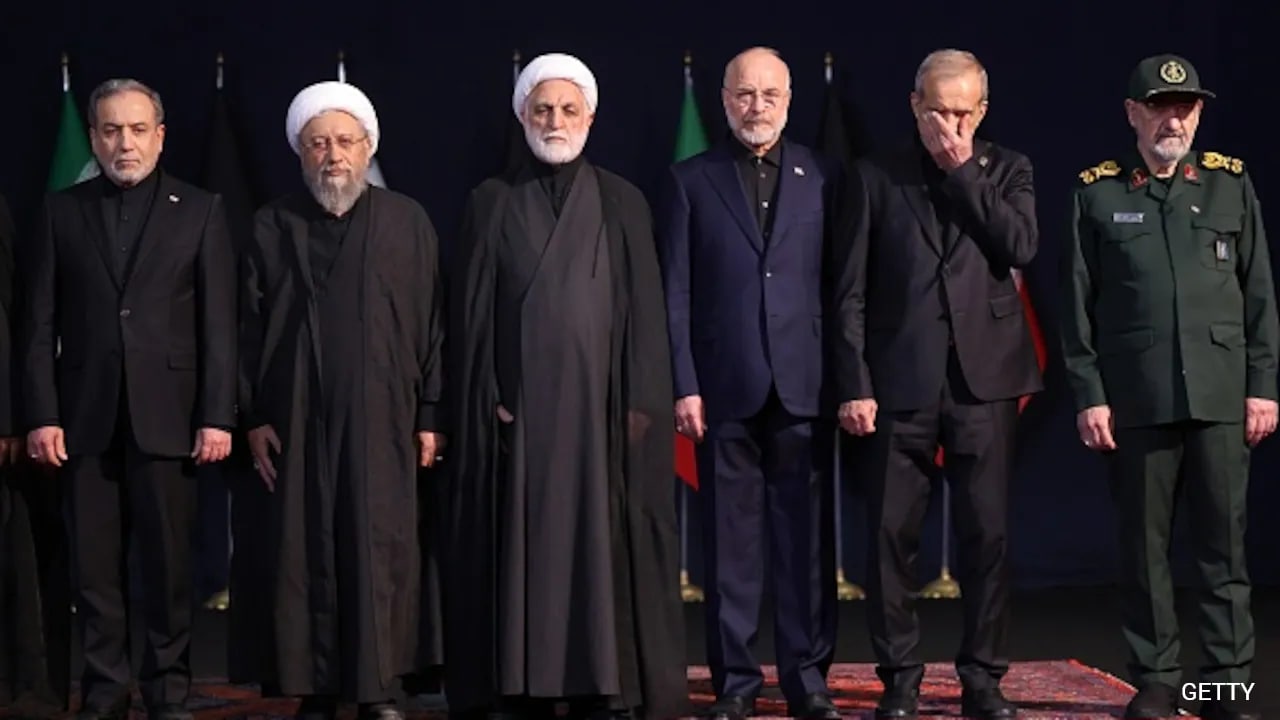
The death of Iran's Supreme Leader Ali Khamenei has led to a power struggle within the country's political establishment, with hardline factions openly accusing President Masoud Pezeshkian and senior officials of betraying the leader's legacy by negotiating with the United States.
At Khamenei's funeral in Tehran, mourners directed anger at President Pezeshkian, chanting 'death to the compromiser.' Foreign Minister Abbas Araghchi, who helped negotiate a ceasefire with the Trump administration that brought limited sanctions relief, was forced to leave after being pelted with rocks and called a 'traitorous sellout.' These incidents highlight growing resentment among hardliners who believe the leadership abandoned Khamenei's revolutionary principles.
The political turmoil is compounded by the absence of the new Supreme Leader, Mojtaba Khamenei, who succeeded his father but has largely remained out of public view. His silence has led to speculation among hardliners that he may be unable to govern or that officials around him are quietly taking control. According to US-based Iran expert Arash Azizi, Mojtaba's absence has allowed Parliament Speaker Mohammad Bagher Ghalibaf and allies to effectively run the country, leading ultra-hardliners to accuse them of plotting a 'coup.'
Hardline lawmakers have publicly raised alarms. Days before the funeral, Mahmoud Nabavian posted on X, 'Warning to the people of Iran: Is a coup on the way??' After the funeral, he reiterated, 'In these moments of farewell to the martyred Imam, we raise the banner of vengeance for his blood and stand firm against the coup.' Another hardline parliamentarian, Kamran Ghazanfari, accused the leadership of shifting power away from traditional centres, saying, 'They are trying to elevate the role of the Supreme Council for National Security while diminishing the role of the supreme leader and parliament. This is the political coup they have designed and are carrying out step by step.'
The rhetoric has escalated beyond political criticism. Before fighting resumed, security-linked religious singer Mohammad Ali Bakhshi issued a direct warning to President Pezeshkian during a public ceremony, saying, 'Mr President, if the leader's conditions are not fulfilled, then it will be us, the blade and your throat.' He added, 'We will bring hell upon you.' Although the remarks drew widespread criticism, no legal action against Bakhshi has been reported.
The divisions have deepened since Iran's ceasefire with the United States collapsed. The truce began to unravel after Iran's Revolutionary Guards attacked shipping in the Strait of Hormuz, triggering US retaliation and renewed calls from hardliners to abandon the agreement entirely. The internal power struggle continues as the country faces both political uncertainty and external pressures.