Iran Hardliners Allege ‘Soft Coup’ After US Deal, Supreme Leader Absent
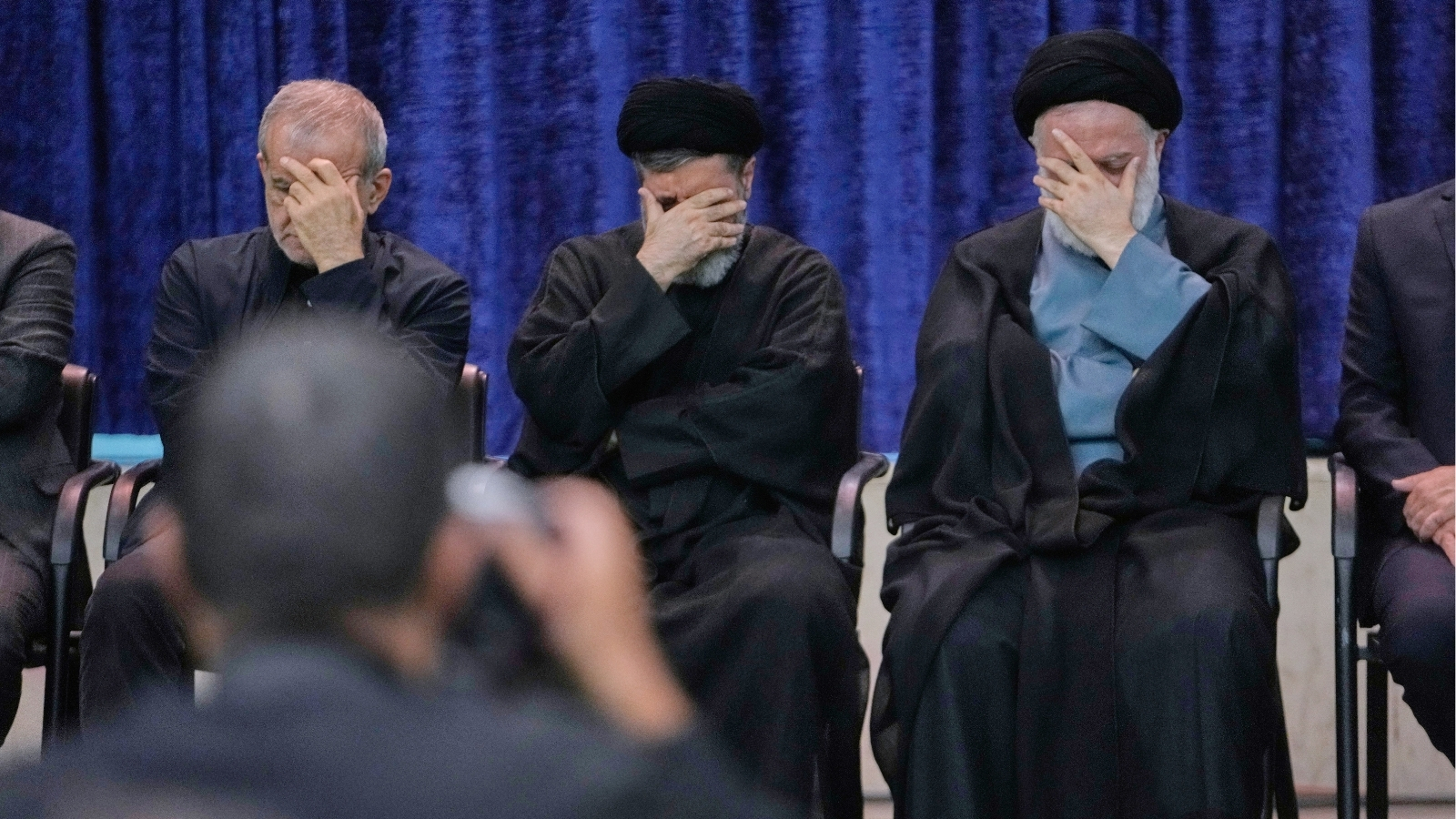
During the funeral procession of Supreme Leader Ali Khamenei in Tehran last week, some mourners directed chants of “death to the compromiser” at President Masoud Pezeshkian, according to CNN. Meanwhile, Abbas Araghchi, Iran’s top diplomat who negotiated a ceasefire with the Trump administration and secured limited sanctions relief, was forced to flee after a mob pelted him with rocks while chanting “traitorous sellout.”
These hostile acts reflect a theory gaining traction among Iran’s most radical factions: that the country’s wartime leaders who signed an agreement with Washington are staging a “soft coup” against the Islamic Republic while the new supreme leader, Mojtaba Khamenei, remains largely unseen. Critics allege that instead of avenging Ali Khamenei’s killing, officials surrendered by signing a deal that defies his successor’s orders. However, Mojtaba Khamenei has not publicly addressed the nation or asserted his authority, even as officials govern in his name.
Opposition to the agreement predates the funeral. According to The Guardian, hardline members of Iran’s Paydari (Endurance) Front, conservative lawmakers, and influential commentators campaigned against the deal, arguing it failed to guarantee sanctions relief, compensation, or sufficient control over the Strait of Hormuz. Hardline MP Kamran Ghazanfari called claims of victory a “blatant lie,” while Meysam Nili, managing director of Rajanews, described the agreement as “a catastrophic capitulation.”
Hardliners have accused visible leaders—Pezeshkian, Araghchi, and chief negotiator Mohammad Bagher Ghalibaf—of plotting to consolidate power by suspending parliament and dispersing nightly street rallies. Hardline lawmaker Mahmoud Nabavian warned on social media: “Warning to the people of Iran: Is a coup on the way??” and later urged standing firm against the coup.
In the absence of Mojtaba Khamenei, Ghalibaf, Pezeshkian, and Araghchi have become the most visible figures leading post-war Iran. Without access to the new supreme leader, hardliners have accused them of staging a coup, according to Iran expert Arash Azizi. The Strait of Hormuz has also become a flashpoint, with the deal’s critics arguing that it does not ensure adequate Iranian control.