Iran Executes Man Convicted of Running Over Police During Protests
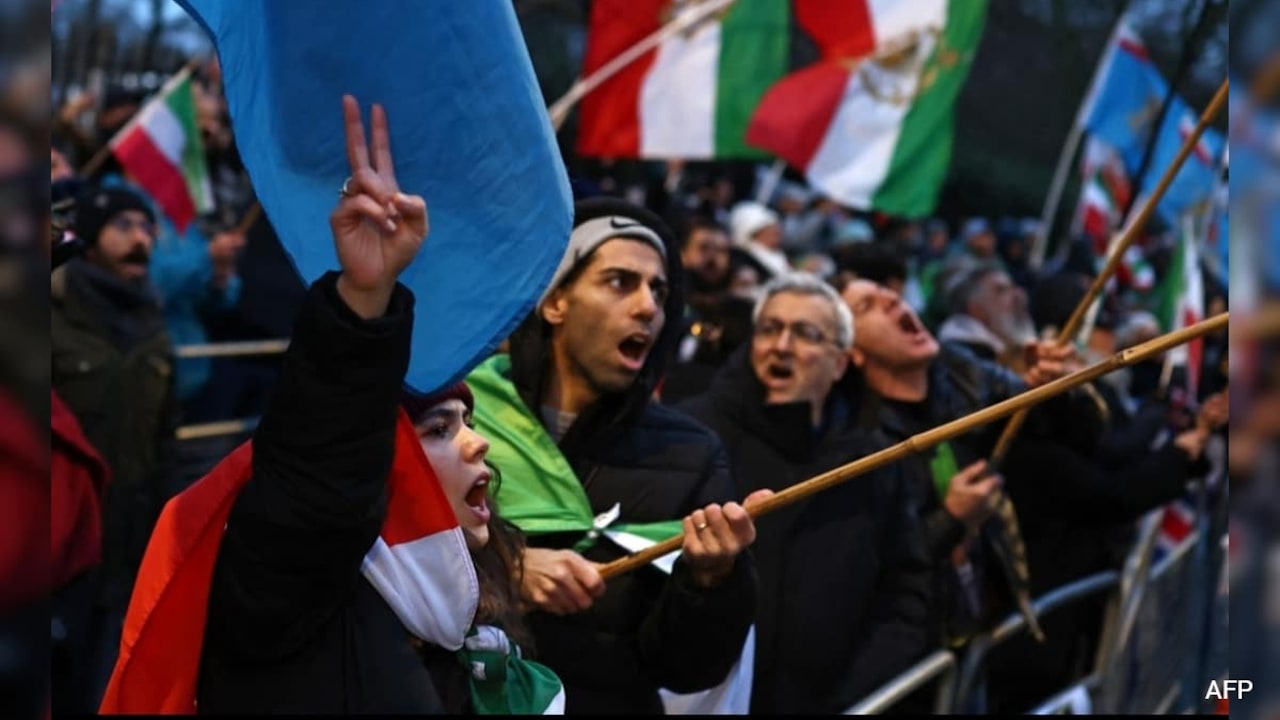
Iran's judiciary announced on Sunday that it had executed a man convicted of running over several police officers with his car during anti-government protests in January. The execution is the latest in a series of capital punishments linked to the nationwide unrest that swept the country.
The judiciary's Mizan Online website identified the man as Shahram Sadeghi, stating that he was sentenced to death for carrying out an operational action in support of the Zionist regime and the United States. According to the website, Sadeghi ran over several police officers on January 8 in Karaj, west of Tehran, wounding seven of them.
The protests, which began in late December over the high cost of living, quickly escalated into wider anti-government demonstrations. They peaked on January 8 and 9, with clashes reported in multiple cities across Iran. The authorities reported more than 3,000 deaths during the unrest, attributing the violence to terrorist acts orchestrated by the United States and Israel. In contrast, rights groups based abroad maintain that security forces fired on unarmed protesters.
The execution of Sadeghi comes amid a significant rise in the number of executions in Iran since the start of the Middle East war, which broke out on February 28 with US-Israeli strikes against Iran. A large number of these executions have been linked to the protests, according to international monitors.
Iran Human Rights, an NGO based in Norway, and Together Against the Death Penalty (ECPM), headquartered in Paris, reported that Iranian authorities executed at least 1,639 people last year. This figure marks a record high since 1989. According to Amnesty International, Iran conducts the second most executions of any country, after China.
The Iranian government has defended its actions, saying that the judicial process is independent and that those convicted were found guilty of serious crimes. However, international human rights organisations have repeatedly called on Iran to halt executions and to ensure fair trials for those detained in connection with the protests.
This latest execution is likely to draw further international condemnation, as the United Nations and several countries have previously urged Iran to refrain from using the death penalty in cases related to the protests. The situation remains tense, with ongoing scrutiny of Iran's human rights record.