India's Nuclear Push: Small Modular Reactors and the SHANTI Act Explained
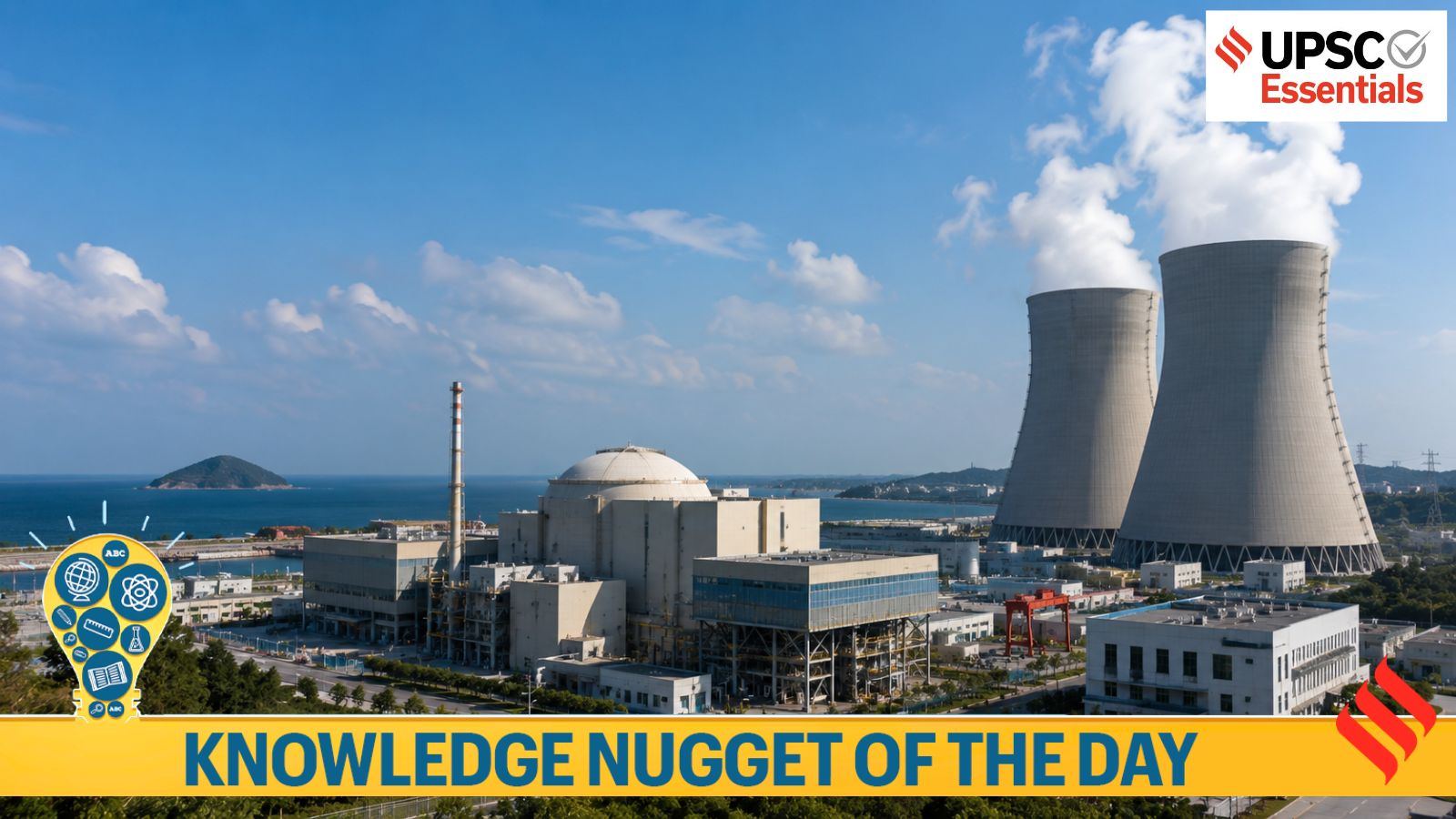
India's atomic energy regulator is expected to maintain rigorous safety and licensing standards for small modular reactors (SMRs), similar to those for large nuclear reactors, according to sources familiar with the matter. This stance comes as SMRs are promoted as a potentially safer alternative, and as the government pushes the Sustainable Harnessing and Advancement of Nuclear Energy for Transforming India (SHANTI) Act, 2025 to encourage private sector involvement in nuclear energy.
India's nuclear power programme has traditionally relied on indigenous pressurised heavy water reactors (PHWRs), which use heavy water as coolant and moderator and natural uranium as fuel. While PHWRs will remain central to India's nuclear expansion, SMRs are increasingly seen as a promising technology for industrial decarbonisation.
The government is promoting indigenous development of SMRs, sometimes called Bharat SMRs, with a ₹20,000 crore mission. India aims to become a leader in this small reactor space, both to meet clean energy transition commitments and as a technology-driven foreign policy initiative.
SMRs are advanced nuclear reactors with power capacities ranging from 30 MWe to 300 MWe per unit, compared to conventional reactors that typically generate 500 MWe or more. Their modular design allows components to be assembled in a factory rather than on-site, reducing costs and enabling flexible deployment.
SMRs are considered a viable option for decarbonising energy-intensive sectors like steel, aluminium, and cement, as they can provide large volumes of low-carbon electricity around the clock. Different types of SMRs are being developed, primarily distinguished by their coolant: light water, high temperature gas, liquid metal, and molten salt. Light water reactors, similar to traditional water-cooled plants in Russia, France, and the US, are the most common due to easier design.
Under the Nuclear Energy mission for Viksit Bharat, India aims to achieve 100 GW of nuclear power capacity by 2047.
What is the SHANTI Act?
The SHANTI Act, which received presidential assent on December 21, 2025, allows private sector participation in setting up nuclear facilities and carrying out activities related to production, use, and disposal of nuclear energy under a license from the central government and safety authorisation from the Atomic Energy Regulatory Board. The Act aligns with global nuclear commerce norms and replaces the Atomic Energy Act of 1962 and the Civil Liability for Nuclear Damage Act of 2010 with a single umbrella law. It permits public and private companies to set up nuclear power plants and undertake activities related to transport, storage, import, and export of nuclear fuel, technology, and equipment.