Article 370 anniversary: PM Modi says J&K, Ladakh enter 'decisive new chapter'
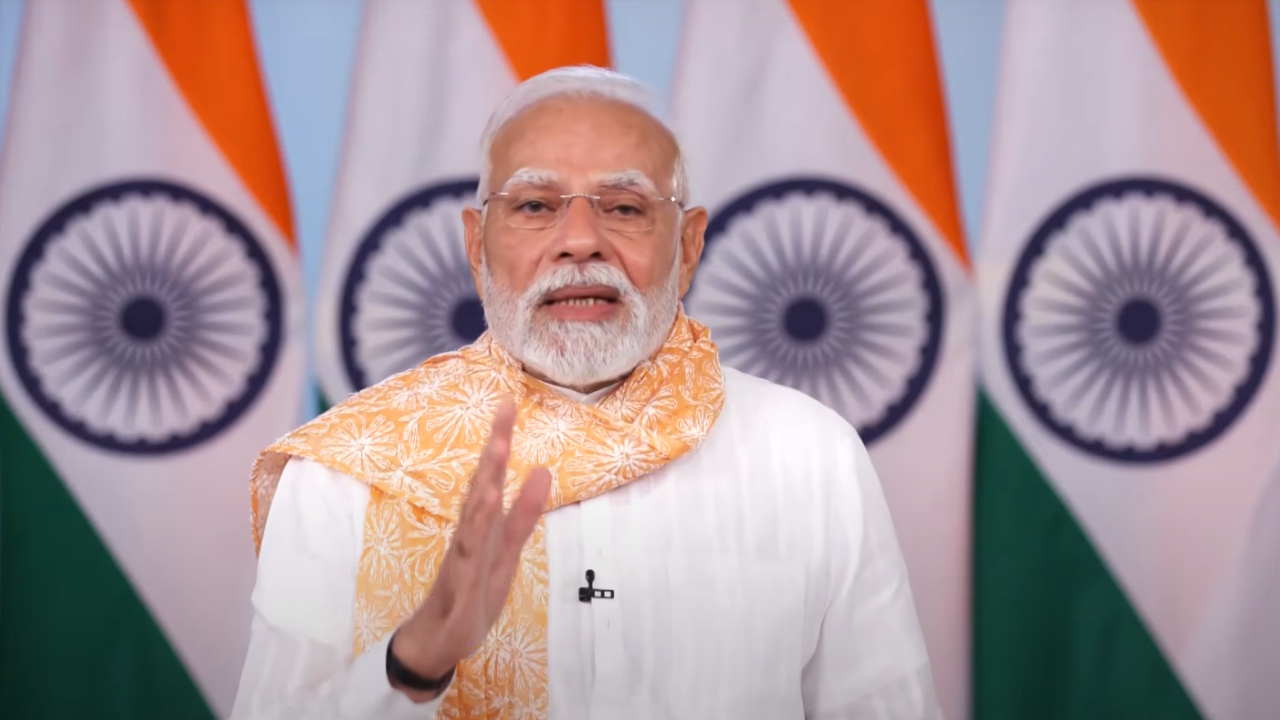
Prime Minister Narendra Modi on Monday marked the fifth anniversary of the abrogation of Article 370, asserting that Jammu and Kashmir and Ladakh have entered "a decisive new chapter" of development and integration with the rest of India. In a post on social media, Modi said the August 5, 2019 decision ended decades of discrimination and laid the foundation for peace, progress, and prosperity in the region.
Article 370 of the Indian Constitution granted special autonomous status to the erstwhile state of Jammu and Kashmir, allowing it to have its own constitution and laws, with the central government's jurisdiction limited to defence, foreign affairs, and communications. On August 5, 2019, Parliament passed resolutions to revoke Article 370 and bifurcate the state into two Union Territories — Jammu and Kashmir, and Ladakh. The move was a key plank of the Bharatiya Janata Party's (BJP) election manifesto.
In his anniversary message, Modi said, "Today, as India celebrates this historic decision, we remember with pride the integration of Jammu and Kashmir and Ladakh into the national mainstream. The era of uncertainty, unrest, and violence is giving way to an era of hope, investment, and self-reliance." He also highlighted initiatives such as the implementation of laws ensuring equal rights for women, reservations for socially and educationally backward classes, and improved infrastructure.
The government has reported a sharp increase in tourism, record apple production, and the successful conduct of local body elections in Jammu and Kashmir under the new legal framework. In 2024, the Union Territory also witnessed a voter turnout of about 58.46% during the Lok Sabha elections, which officials cited as evidence of enhanced participation and normalcy. The administration has initiated several welfare schemes, including the creation of new districts and administrative units to bring governance closer to the people.
However, the abrogation of Article 370 has not been without controversy. Several opposition parties, including the National Conference, People's Democratic Party, and the Congress, have called the move unilateral and unconstitutional, arguing that it altered the region's special status without the consent of its people. Critics point to the continued presence of security forces, restrictions on internet and movement in certain areas, and the prolonged detention of political leaders, including those from the ruling party in the erstwhile state.
The central government has maintained that these measures were temporary and necessary to prevent terrorism and maintain law and order. It also affirmed that statehood will be restored to Jammu and Kashmir once the situation stabilises. In December 2023, the Supreme Court upheld the abrogation, while directing the Election Commission to hold elections to the Jammu and Kashmir Legislative Assembly by September 30, 2024. The elections were duly conducted in September-October 2024, resulting in a new democratic government in the Union Territory.
Ladakh, now a separate Union Territory without a legislature, has seen protests from civil society groups demanding statehood and constitutional safeguards under the Sixth Schedule to protect the region's culture and land rights. The government has assured that it is examining these demands for the well-being of the people.
As the fifth anniversary is observed, the debate over Article 370 reflects broader questions about nationalism, federalism, and human rights. For the Modi government, the decision is a historic correction of a temporary provision. For its critics, it remains a painful chapter of democratic erosion. The future of Jammu and Kashmir and Ladakh will depend on how these divergent perspectives are reconciled within the constitutional framework.