Rijiju, Rahul Gandhi meet to resolve Parliament deadlock
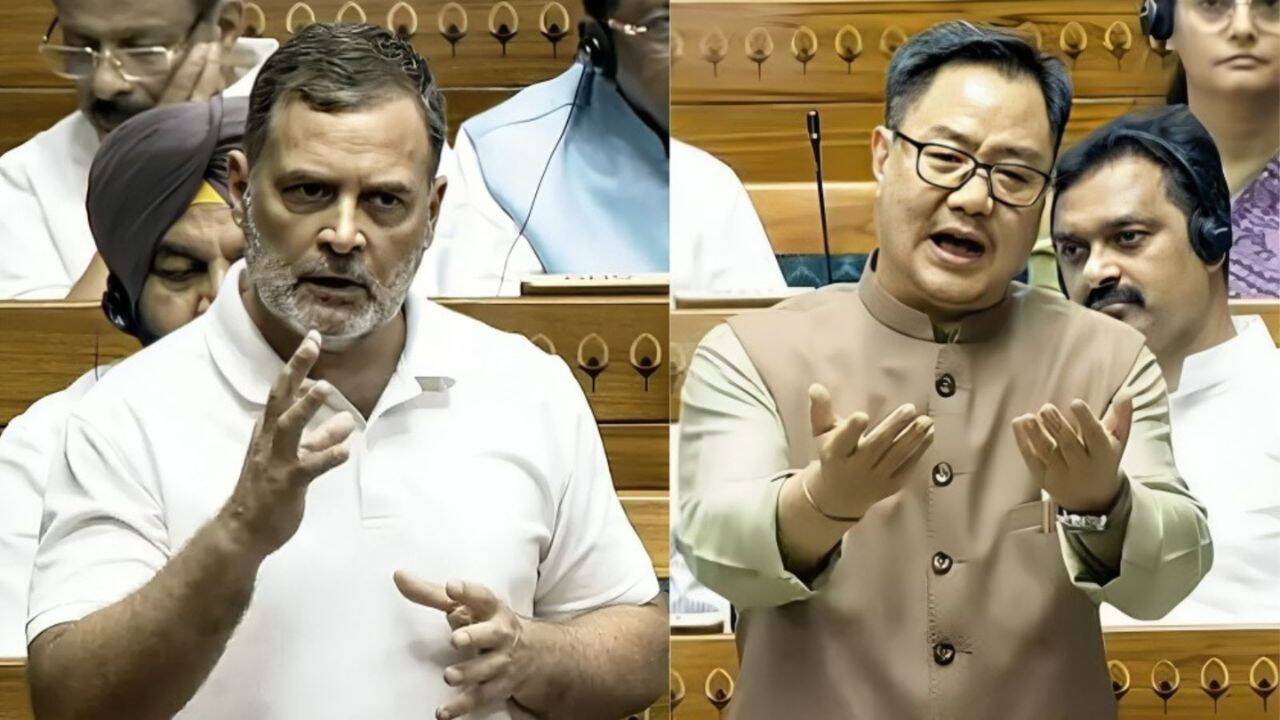
In a bid to end the prolonged stalemate in Parliament, Union Parliamentary Affairs Minister Kiren Rijiju and Leader of Opposition in Lok Sabha Rahul Gandhi held a meeting on Wednesday. The discussion was aimed at finding common ground to allow the smooth functioning of both Houses, which have been repeatedly disrupted over the past several sessions.
The meeting comes amid continued impasse over the opposition's demand for a discussion on specific issues, including the situation in Manipur and the Adani-Hindenburg controversy. The government, on its part, has insisted that legislative business must proceed, and has urged the opposition to allow debates without disruption.
According to sources familiar with the matter, the two leaders engaged in a 'constructive and frank exchange of views'. While no immediate breakthrough was announced, the meeting is being seen as a positive step towards breaking the logjam. Further talks are expected to take place in the coming days.
Parliament has witnessed repeated adjournments in recent weeks, with opposition members staging protests in the Well of the House over their demands. The government has accused the opposition of not allowing Parliament to function, while the opposition has countered that the government is avoiding discussion on critical national issues.
Political observers note that such meetings between the government's chief negotiator and the principal opposition leader are unusual, and signal that both sides are under pressure to restart legislative work. The Winter Session has a significant backlog of pending bills, including the data protection bill and the criminal law amendment bills.
The meeting was held in Rijiju's chamber in Parliament House complex and lasted about 30 minutes. No official statement was issued by either side, but both leaders were seen leaving together, indicating a cordial atmosphere.
The development has raised hopes among MPs from various parties that Parliament may be able to function normally in the coming days. However, the opposition's coordination committee is scheduled to meet later to decide its future strategy.
The logjam has been criticised by civil society groups and citizens, who have expressed concern over the inability of elected representatives to debate and pass laws. Many have called on both the government and the opposition to prioritise the nation's interests over political point-scoring.
As the Parliament gears up for more crucial discussions, all eyes will be on whether this meeting leads to a tangible outcome. The public expects its representatives to engage in meaningful deliberation, and any resolution to the deadlock would be welcome.