India Semiconductor Mission 2.0: Rs 1.27 Lakh Crore Push to Boost Chip Ecosystem
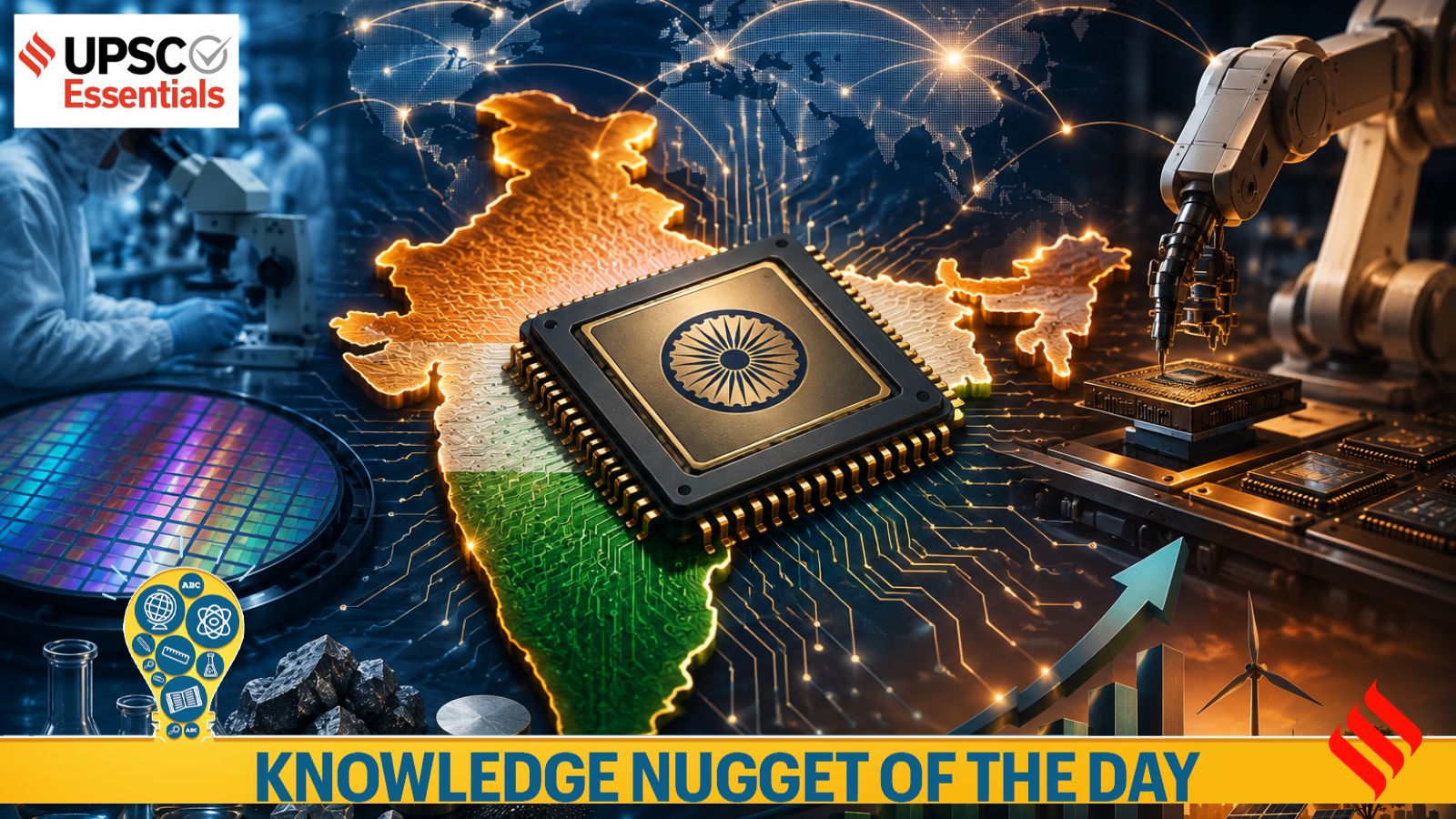
The Union Cabinet has approved the second phase of India's Semiconductor Mission (ISM 2.0) with a total outlay of Rs 1.27 lakh crore over six years. The scheme aims to strengthen the semiconductor supply chain by subsidising inputs such as gases and chemicals used in chip manufacturing, and by attracting investments in design, fabrication, and packaging.
Under ISM 2.0, the government has widened the scope of incentives while reducing its funding share for mature segments. The Design Linked Incentive (DLI) scheme has been redesigned to attract larger companies and private capital, according to S Krishnan, Secretary of the Ministry of Electronics & Information Technology (MeitY).
Compared to the first iteration, government subsidies have been reduced: silicon fabrication units (fabs) will now receive a 40% subsidy (down from 50%), while other fabs get 35%. Advanced packaging incentives are set at 35%, and conventional packaging at 25%. The scheme also introduces subsidies for research and development as well as talent development in the semiconductor sector.
The first phase of ISM focused on building physical infrastructure, including a fabrication plant by the Tata Group, and assembly, testing, and packaging plants by firms like Micron Technology, Tata, CG Power, and Kaynes Semicon. These plants form the backbone of India's semiconductor manufacturing capability.
Semiconductors, or chips, are integrated circuits that power devices from toasters to fighter jets. Their production involves highly specialised facilities (fabs) that require sterile clean rooms, precise processes with 500–1,500 steps, and inputs like silicon wafers, chemicals, clean water, and uninterrupted power.
India's push into semiconductor production is a strategic move to integrate into the global chip supply chain and deepen domestic value addition in electronics. With rising geopolitical tensions, semiconductors have become a critical resource. Ashok Chandak, President of the India Electronics and Semiconductor Association (IESA), noted that ISM 2.0 is essential for India to transition from a participant to a structural player in the global semiconductor ecosystem, building capabilities across design, tools, materials, and upstream inputs.
By 2029, India aims to design and manufacture chips for nearly 70–75% of domestic applications, and by 2035, it seeks to be among the top semiconductor nations globally.