Iran-US Tensions Persist Over Strait of Hormuz Management
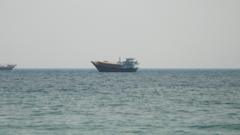
The Strait of Hormuz, a vital maritime corridor for global oil and gas shipments, remains a point of contention between Iran and the United States. A memorandum of understanding (MoU) signed in June, intended to ease tensions, has been interpreted differently by both sides, leading to continued friction.
Iran sees point five of the 14-point plan as giving it authority to manage traffic through the strait. The clause states that Iran will make arrangements using its best efforts to ensure the safe passage of commercial vessels. Tehran interprets this as a green light to control shipping routes.
The United States, however, reads the same clause as requiring Iran to keep the strait open for the free flow of oil, gas, and other essential commodities, including fertiliser ingredients. This divergence has created uncertainty among commercial shippers and oil executives.
An Arab oil executive operating in the region remarked that the clauses are broad enough to allow multiple interpretations.
Meanwhile, within Iran's leadership, there are signs of disagreement over the path forward following recent escalations. Some factions favour leveraging battlefield gains through diplomacy, while others argue that a ceasefire was premature, before inflicting greater costs on the US, according to Robert Malley of the International Crisis Group, a former US negotiator.
Recent attacks on three vessels, including a Qatari-flagged LNG tanker near Oman, have been attributed by a diplomatic source to a 'rogue unit' within the Islamic Revolutionary Guard Corps (IRGC). The IRGC, now a dominant force in Iran's political landscape, has set a non-negotiable condition: vessels must adhere to routes designated by Iran.
These developments highlight the fragile state of maritime security in the region, with both sides maintaining firm positions.