India and Japan Strengthen Strategic Ties: New Agreements on AI, Energy, and Defence
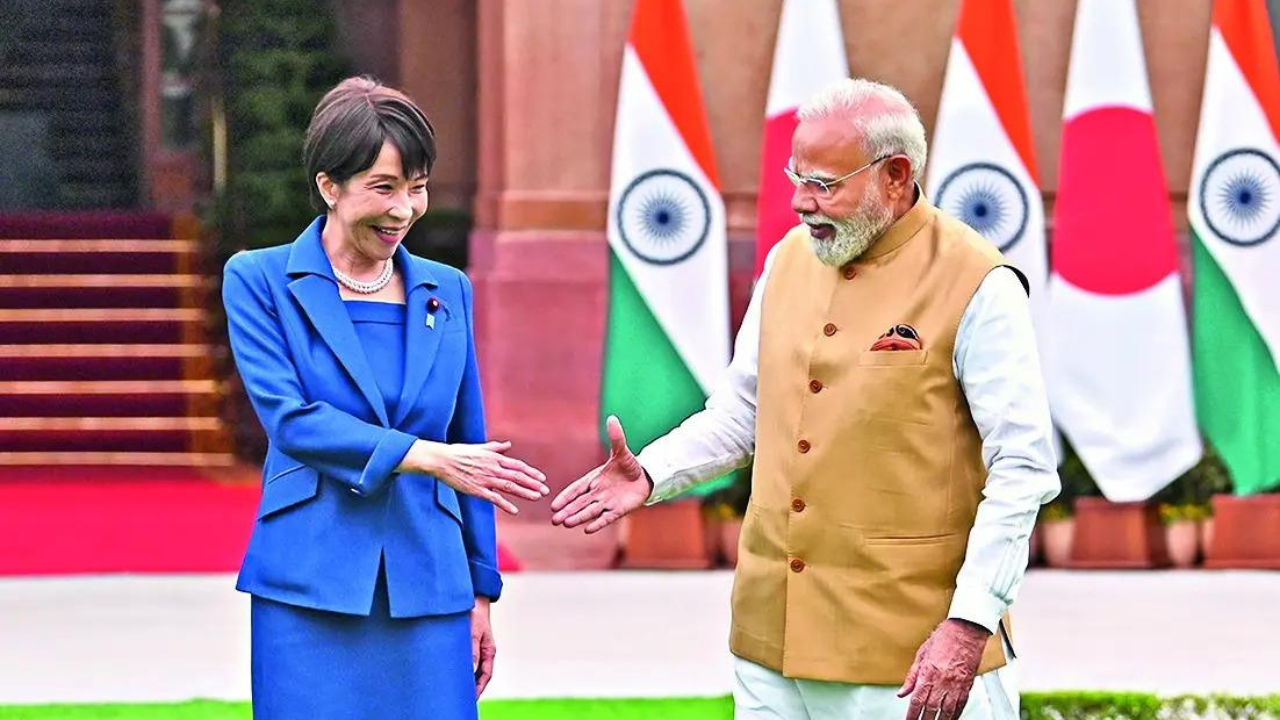
Japanese Prime Minister Sanae Takaichi's recent visit to India has marked a significant milestone in bilateral relations, with both countries signing several agreements to bolster cooperation in artificial intelligence (AI), energy, and defence. The visit signals a renewed commitment to deepening the strategic partnership between the two democracies.
Among the key outcomes, India and Japan adopted a roadmap for economic security aimed at strengthening supply chains for critical minerals and semiconductors. This initiative is expected to reduce dependence on single-source suppliers and enhance resilience in high-tech industries.
The leaders also reviewed the existing Comprehensive Economic Partnership Agreement (CEPA) with a view to enhancing bilateral trade. Both sides expressed confidence that a more streamlined trade framework would unlock new opportunities for businesses and investors.
In the defence sector, the two nations agreed to expand joint exercises and technology sharing, focusing on maritime security and cyber defence. The agreements build on previous pacts, including the Acquisition and Cross-Servicing Agreement (ACSA), which facilitates logistical support between the armed forces.
The visit also saw discussions on collaborative projects in renewable energy, with a particular emphasis on hydrogen and electric mobility. Japan's expertise in green technology is expected to support India's goals under the National Green Hydrogen Mission.
Prime Minister Narendra Modi described the visit as a "new chapter" in India-Japan ties, emphasising the shared commitment to a free and open Indo-Pacific. The two leaders reiterated their opposition to any unilateral attempts to change the status quo by force.
Observers note that the strengthening of India-Japan relations comes amid shifting geopolitical dynamics in the region, with both countries seeking to balance China's growing influence. The agreements reached during this visit are seen as a step towards a more integrated and secure Asia.