Illegal Egg Harvesting Racket in Maharashtra Exploits Poor Women: 45 Procedures on One Woman
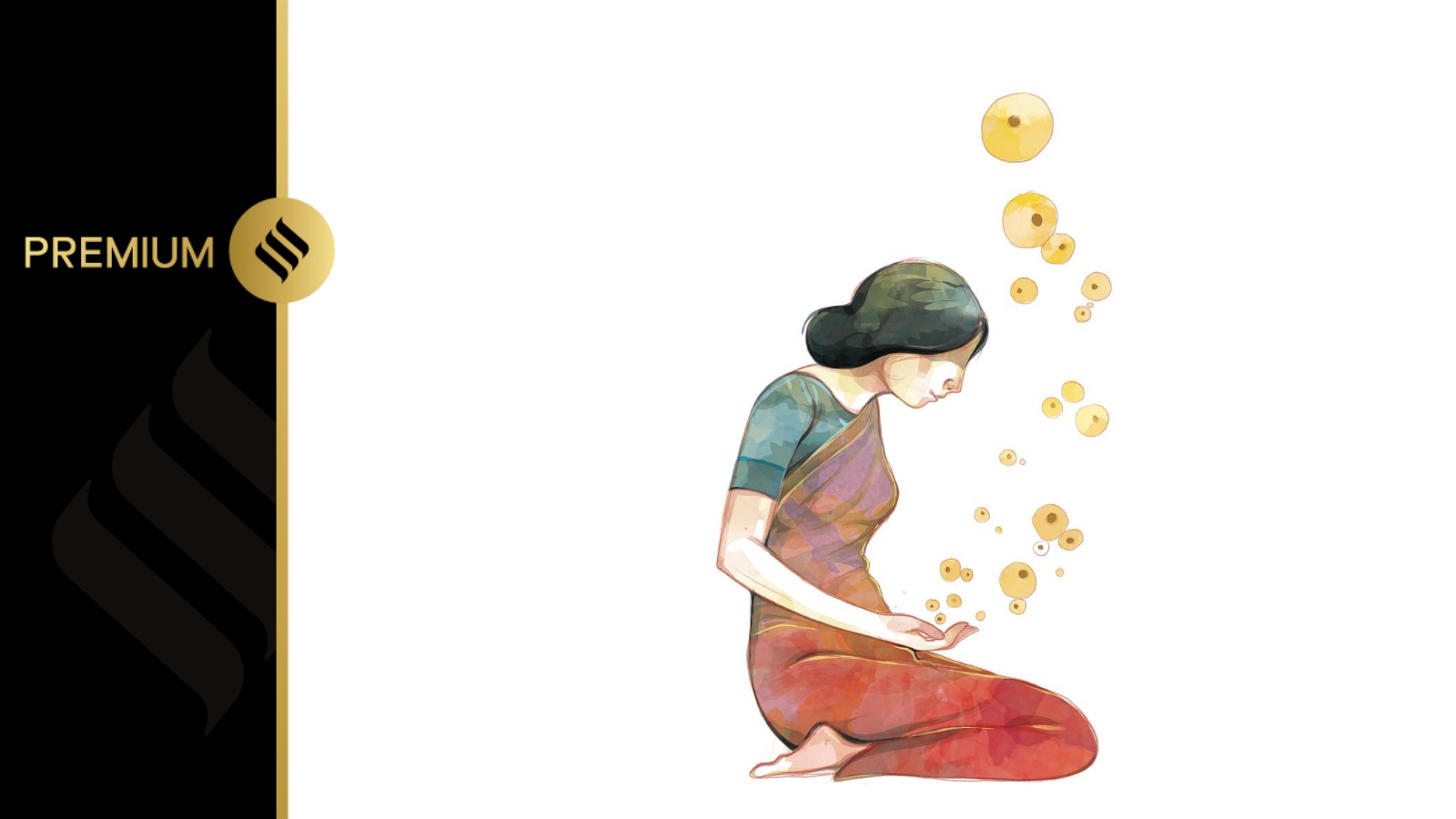
For most of her life, Neeta Prasad cleaned other people's homes. The 30-year-old domestic worker steps out of her one-room shack in an Ulhasnagar slum every morning and spends her day sweeping floors, washing utensils and mopping apartments across the city. By month's end, she earns about Rs 10,000 — barely enough to pay rent, buy medicines and keep her household running. Her husband works as a cook at roadside eateries. Their son lives with relatives in their village, where he attends school.
Yet when the family moved to Ulhasnagar in 2022, they hoped for a better future. Instead, they found themselves trapped in the cycle of urban poverty. That was when a relative told Neeta about what sounded like an easy way to earn money. “She said I could make Rs 20,000 by donating my ‘stree beej’ (eggs). My body naturally produces them every month and since I had children of my own, I could donate them and get paid,” says Neeta. What she did not fully understand was the price her body would pay.
By the time authorities uncovered the illegal egg-harvesting network this year, Neeta had undergone at least 45 egg retrieval procedures, which is legally allowed only once in a lifetime. That meant 45 rounds of hormone injections, 45 periods of recovery and 45 occasions on which a needle was inserted through the vaginal wall to collect eggs from her ovaries. Doctors say each cycle subjected her to hormonal manipulation designed to force her ovaries to produce multiple eggs, followed by an invasive retrieval procedure under sedation. Repeated stimulation also carries risks of bleeding, infection and cysts. Yet for women like Neeta, the decision was rarely about medicine. It was about economics.
The process began with daily hormone injections administered into her abdomen for nearly two weeks. Then came repeated pelvic ultrasounds to monitor egg development. Finally, she was given a trigger injection and taken to a clinic where doctors retrieved her eggs through a procedure performed under sedation. As the days passed, she experienced fatigue, mood swings, irritability, bloating and pelvic pain. “The woman giving me the injections said it was normal. She told me I was helping women who could not have children,” says Neeta.
When she woke up after her first egg retrieval, her stomach felt swollen and sore. “I was scared although I received Rs 20,000,” she says. Initially, she decided she would never do it again. Then she began calculating school expenses, rent payments and household bills. The next time the agents called, she agreed. Then she agreed again. And again.
Neeta's story echoes across Maharashtra's slums. Roshani Shaikh, a 35-year-old factory worker from Thane, entered the network after her husband left her in 2023. Living alone and struggling financially, she was introduced to egg donation by a colleague. A woman known only as “madam” coordinated the process. Soon, Roshani too was receiving hormone injections and travelling for procedures. “I thought I could move to a better area and improve my life. My friends had been donating eggs for years and they were earning good money,” she says. “When I held Rs 20,000 in my hand after every procedure, the pain my body had gone through suddenly felt very small,” she adds.
For Suman Patil, 25, the choice came amid mounting debt after her husband left her for another woman. Friends who were already donating eggs suggested she join them. “They told me I could make Rs 30,000 every month on the side. I experienced severe cramps and bloating, but the money kept me going.”
Investigators say that financial vulnerability became the foundation of a network that systematically recruited poor women and transformed their reproductive capacity into a commodity. The operation came to light on February 19 when Badlapur police received information that women were being administered hormone injections illegally. The racket is now under investigation, and authorities are working to identify all victims and perpetrators.