How Dara Singh's Film Was Banned During Emergency, Then Released With Sanjay Gandhi's Help, Incurring Rs 10 Crore Loss
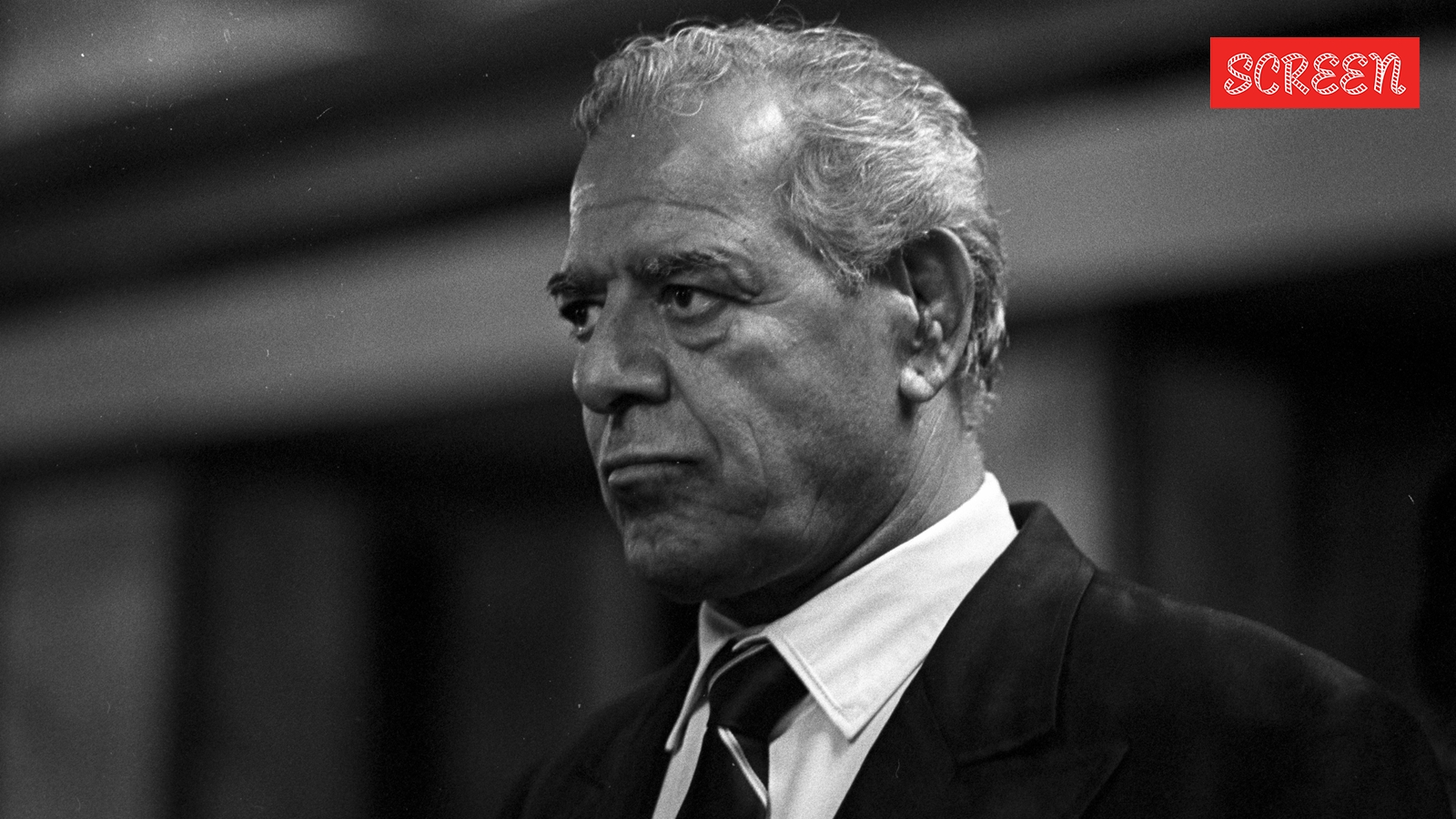
The Emergency period from 1975 to 1977 was marked by significant restrictions on press freedom, and the entertainment industry faced similar challenges. Films and songs perceived as questioning the government or not aligning with its politics were often banned. Among those affected was veteran actor-filmmaker Dara Singh, whose Punjabi film Sawa Lakh Se Ek Ladaun was banned just days after its release, leading to a loss of approximately Rs 35 lakh (about Rs 10 crore in 2026, adjusted for inflation).
The film, directed by and starring Dara Singh, told the story of a Hindu man named Kartar Singh who converts to Sikhism and joins a rebel Sikh army fighting the Mughal army. Dara Singh, known for his successful Punjabi films at the time, did not anticipate controversy. However, the imposition of Emergency in 1975 and subsequent political dynamics led to trouble when the film was ready for release in 1976.
In his autobiography, Dara Singh described the situation as an “unnecessary controversy.” He explained that the film aimed to depict the struggles of the Sikh community and how Hindu men would fight alongside Sikhs. “Their mission was to fight for justice for poor and helpless people and fight against oppression,” he wrote. The film initially carried the title Raj Karega Khalsa but was changed to Sawa Lakh Se Ek Ladaun, a reference to Guru Gobind Singh's teachings, after sensing opposition.
The film featured cameo appearances by popular actors such as Rajesh Khanna and Neetu Kapoor. It received censor clearance in 1976 and opened to a positive response in Punjab. However, two days after its release, Giani Zail Singh, then Chief Minister of Punjab and later President of India, requested to see the film. Dara Singh and Giani Zail Singh had a close friendship, and the latter suggested changes, including the removal of dialogues about government corruption—even though the film was set in a historical context. Dara Singh complied, but Giani Zail Singh remained concerned that the film could incite riots and become a political issue.
According to Seema Sonik Alimchand's book Deedara aka Dara Singh, Giani Zail Singh asked Dara Singh to change the colour of the turbans worn by Sikh characters from blue to another colour, and to reduce the prominence of the Sikh slogan 'Jo Bole So Nihal'. Dara Singh made these changes, but the film was still banned by the Punjab government, citing potential communal tension. Facing a complete loss of his investment, Dara Singh sought help from Sanjay Gandhi, the son of then-Prime Minister Indira Gandhi. Sanjay Gandhi intervened, and the ban was lifted. The film was re-released but had already suffered from the controversy and poor distribution, leading to a financial loss of Rs 35 lakh.
This incident highlights the intersection of politics and cinema during the Emergency, where films could become caught in the crossfire of political rivalries. Dara Singh, who had been a Congress supporter, later distanced himself from the party. The film's story serves as a reminder of the challenges faced by artists when creative expression collides with state power.