High Court: 1991 Worship Act Does Not Block Government Acquisition for Public Projects
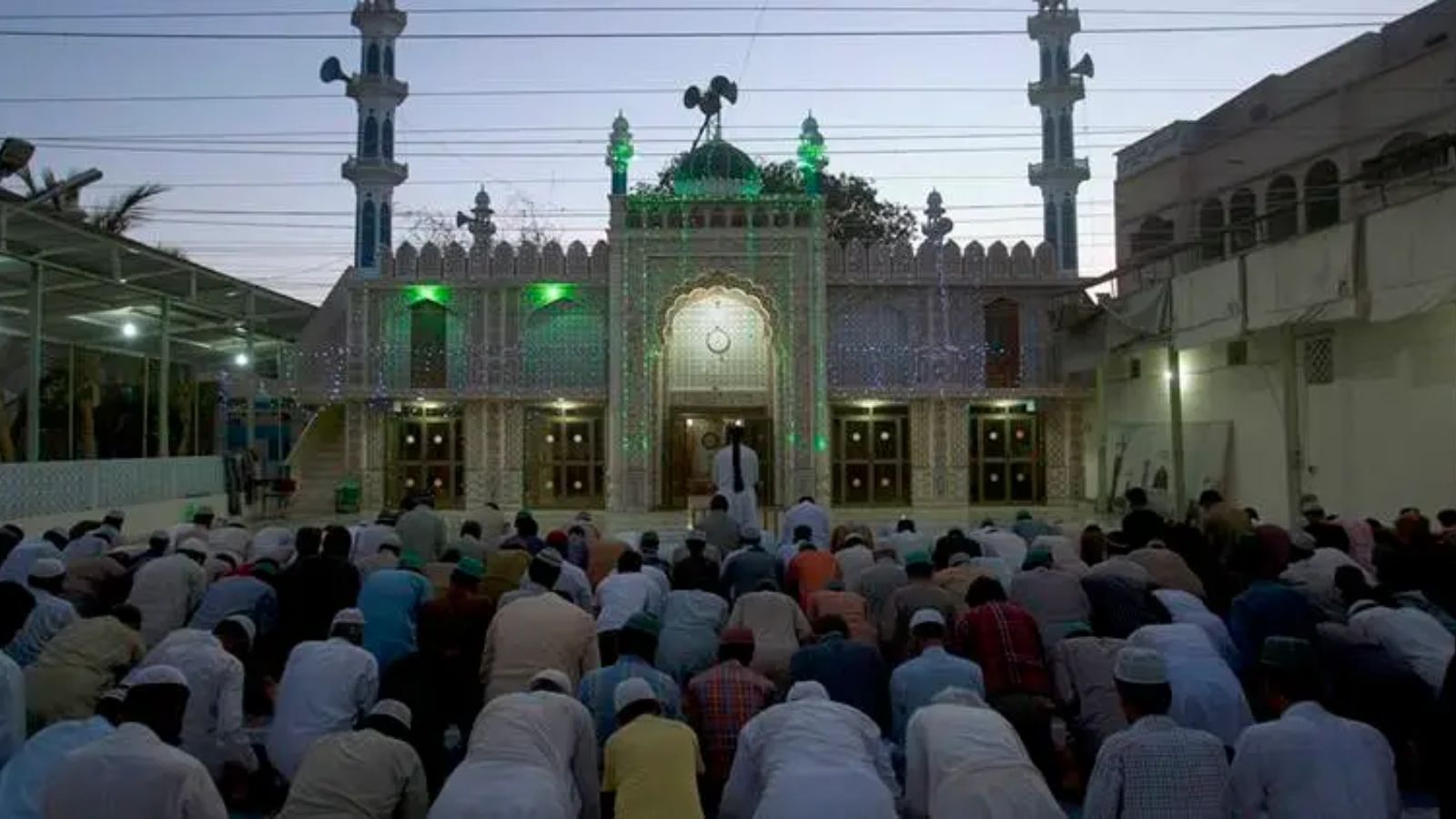
The Allahabad High Court has ruled that the Places of Worship (Special Provisions) Act, 1991 does not prevent the government from acquiring places of worship for larger public purposes. The decision came while dismissing a petition challenging the acquisition of six mosques in Varanasi’s Dalmandi Street for the expansion of the Kashi Vishwanath Dham Corridor.
A bench of Justice J J Munir and Justice Arun Kumar stated that the 1991 Act does not prohibit the government from acquiring religious land for public infrastructure such as roads or highways. The court termed the petitioners' argument a “misconstruction of the scope of the Statute.”
The petitioners, including shopkeepers and tenants in the Dalmandi Market area, argued that acquiring and altering the character of six ancient mosques would violate the 1991 Act. That law froze the religious character of all places of worship as they existed at the time of India's Independence, with the exception of the disputed structure in Ayodhya.
However, the government contended that the 1991 Act does not override the state’s eminent domain power to acquire land for public purposes, provided fair compensation is paid. The court accepted this argument.
The six mosques—Anjuman Intezamia Masjid, Masjid Rangile Shah, Masjid Ali Raza Khan, Masjid Karimullah Baig, Masjid Nisaran, and Masjid Sangamarmar—predate the 1991 cutoff. The government had allocated Rs 21,588.24 lakh for widening and beautification of Dalmandi Street in orders dated March 31, 2025 and July 30, 2025.
The bench also dismissed the plea on the ground that the petitioners, as tenants, had no right to challenge the acquisition. The court clarified that its decision was “without prejudice to the rights of the State, the Waqf Board and the Mutawalli of mosques concerned to suit their rights in appropriate proceedings.”







