Gaps in medical training lead to underdiagnosis of pesticide-linked illnesses, says PAN India report
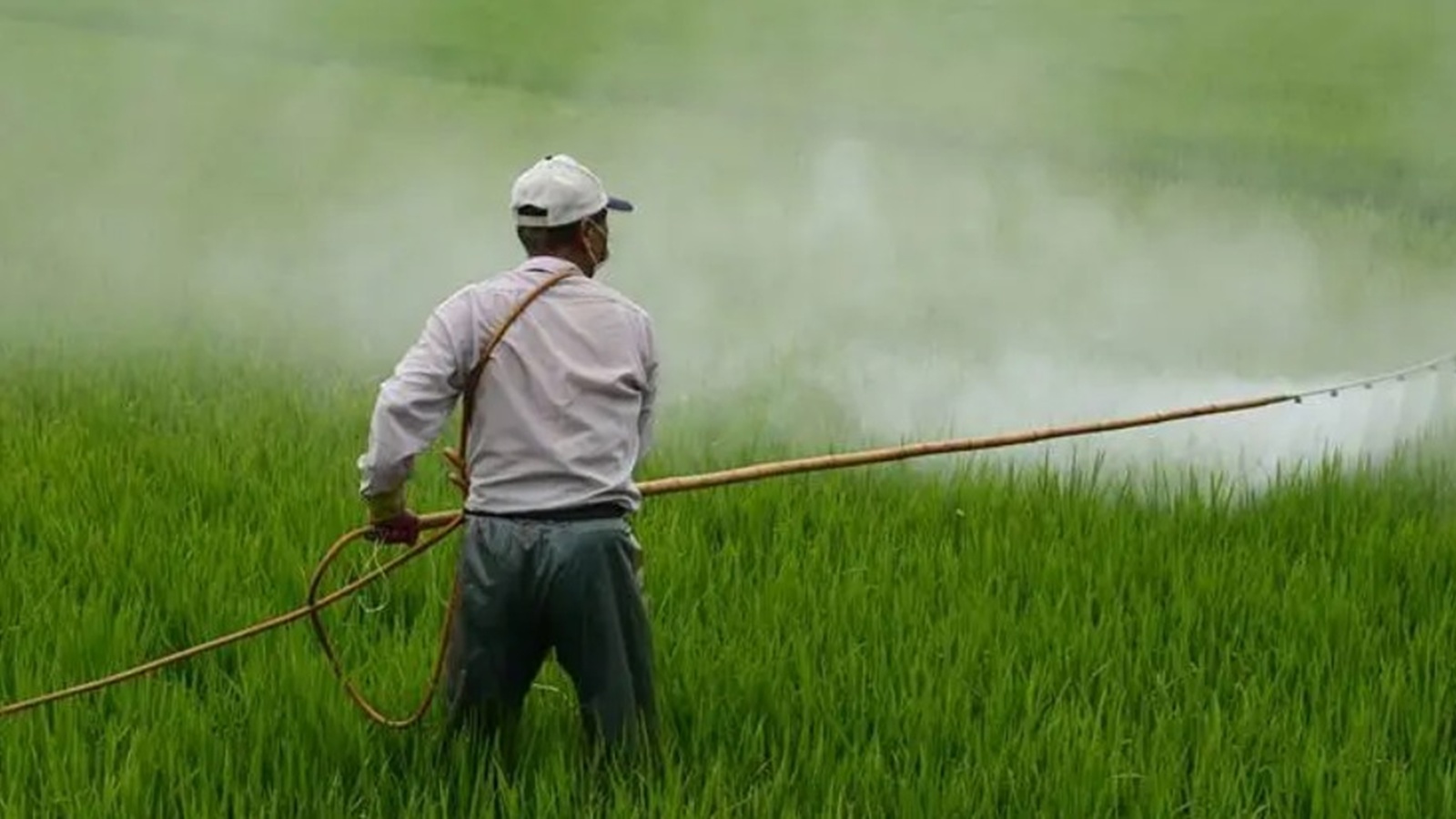
A new report by Pesticide Action Network (PAN) India states that India's healthcare system is not adequately identifying pesticide-related illnesses in rural communities. The report, titled 'The Silent Epidemic: Why Indian Doctors Fail to Connect Pesticides with Rising Rural Health Crisis', argues that many doctors lack the training to recognise chronic pesticide exposure symptoms, resulting in widespread underdiagnosis among agricultural workers.
According to the report, medical education in India does not sufficiently cover chronic pesticide exposure, environmental health, or occupational history-taking. Dr Narasimha Reddy Donthi, Senior Advisor at PAN India and author of the report, noted that pesticide toxicology is largely confined to forensic and medico-legal contexts in medical colleges. "As a result, doctors frequently treat symptoms without investigating whether long-term exposure to agricultural chemicals may be contributing to disease," Dr Donthi said.
The report cites evidence linking long-term pesticide exposure to a range of conditions, including cancers, chronic kidney disease, neurological disorders, developmental disabilities, respiratory illnesses, and persistent anaemia. It points to Maharashtra's Yavatmal district, a cotton-growing region, where repeated incidents of pesticide poisoning have been reported. Farmers there have experienced symptoms such as vomiting, dizziness, headaches, breathing difficulties, and skin disorders after spraying pesticides.
The report pays particular attention to anaemia, noting that despite decades of government-led iron supplementation programmes, National Family Health Survey data continue to show high levels of anaemia among women and children in agricultural areas. It raises the question of whether factors beyond nutritional deficiency, such as pesticide-induced damage to red blood cells and bone marrow function, may be contributing. The report recommends a multi-state study across Maharashtra, Punjab, Andhra Pradesh, Telangana, and Odisha to examine links between chronic pesticide exposure and haematological abnormalities.
Further examples from across India are highlighted. Punjab's Malwa region, often called the 'cancer belt', has documented elevated cancer rates and DNA damage among pesticide-exposed farmers. Kerala's Kasaragod district experienced the Endosulfan tragedy, where aerial spraying was linked to congenital abnormalities and neurological disorders. In Andhra Pradesh's Uddanam region, a cluster of chronic kidney disease remains under investigation for environmental causes.
Dr Donthi stated that these cases reflect a broader failure to integrate environmental exposure into clinical practice. The report says that even when pesticide poisoning is suspected, confirming exposure is difficult due to inadequate diagnostic facilities and the lack of routine monitoring of pesticide residues in patients. It calls for reforms in medical education to include environmental and occupational health, better training for healthcare workers, and improved surveillance systems to track pesticide-related illnesses.