FIFA World Cup: Why English and Argentine referees are barred from each other's matches
The 2026 FIFA World Cup has entered the knockout stage, and refereeing decisions are under intense scrutiny. As matches become more critical, the neutrality of officials has become a key focus for the world football body, FIFA.
One notable policy is that referees from certain nations are not assigned to matches involving countries with which their home nation has historical geopolitical tensions. This is particularly evident in the case of England and Argentina, stemming from the Falklands War of 1982.
The Falklands War began on April 2, 1982, when Argentina invaded the Falkland Islands, a British Overseas Territory in the South Atlantic. The conflict lasted 74 days and ended with Argentina's surrender in June 1982. Casualties included 649 Argentine military personnel, 255 British military personnel, and three Falkland Islanders. The war has left a lasting impact on diplomatic relations between the two nations.
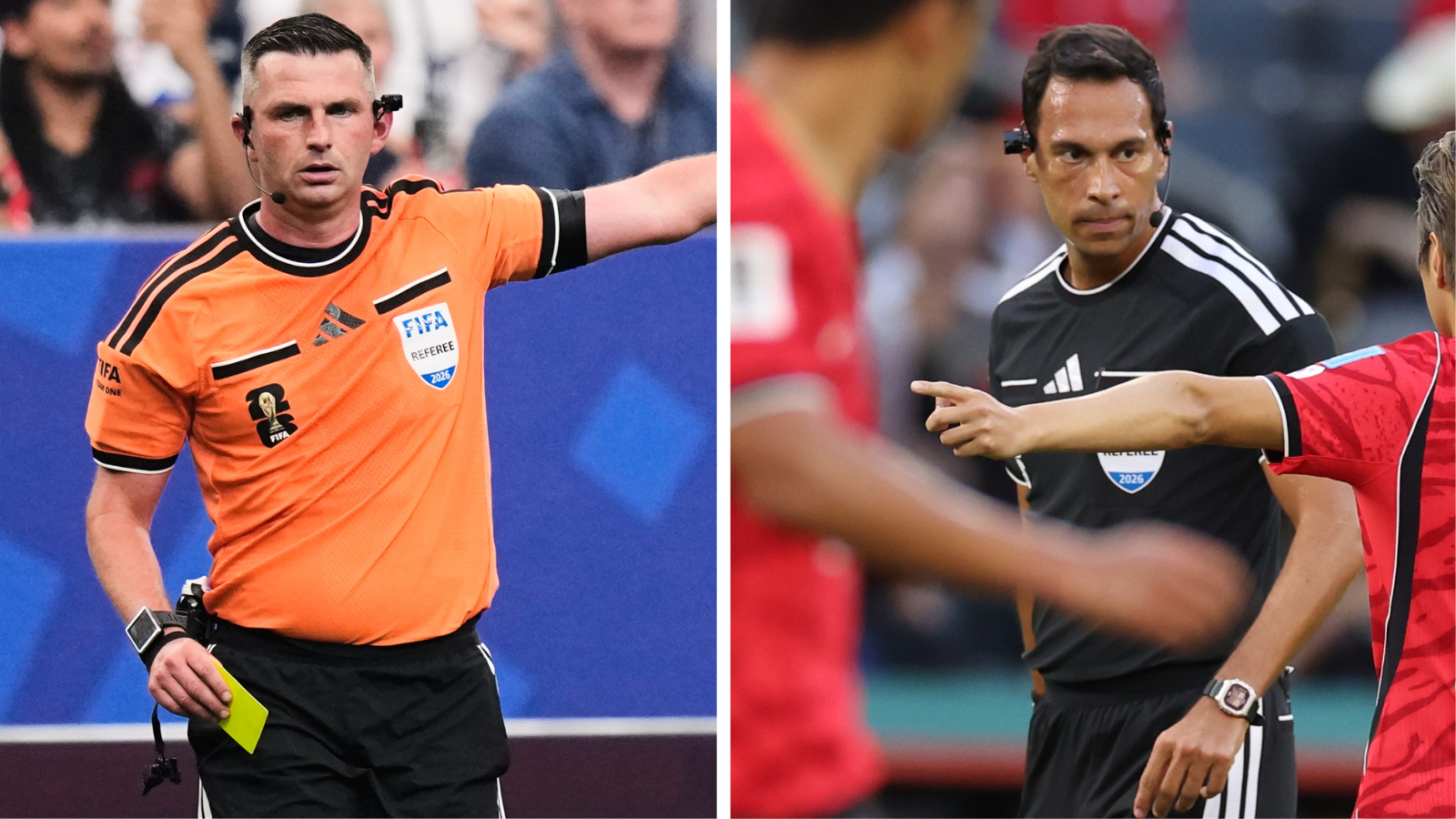
As a result, English referees such as Anthony Taylor and Michael Oliver are barred from officiating matches involving Argentina. Similarly, Argentine referee Facundo Tello cannot take charge of games involving England. This restriction applies even if the referees are otherwise qualified and have performed well in earlier matches.
For instance, Michael Oliver has officiated seven matches in this World Cup but is unlikely to be assigned to the final if Argentina progresses that far. Conversely, Facundo Tello was only considered for matches in the upper half of the knockout bracket, avoiding potential conflicts with teams from his region.
FIFA's selection process for knockout matches is match-by-match, taking into account performance and geo-political factors. Referees are also barred from officiating matches involving countries in the same bracket as their own nation, to avoid any perception of bias. For example, English or Norwegian referees would not be considered for a quarter-final between Argentina and Switzerland if those teams are on a potential semi-final collision course.
The policy came under the spotlight during the Round of 16 match between Argentina and Egypt, officiated by French referee Francois Letexier. Argentina fans expressed discomfort because France had eliminated Argentina in the 2018 World Cup and narrowly lost to them in the 2022 final. Egyptian coach Hossam Hassan also objected to Letexier's appointment before the match, questioning his impartiality. Hassan later criticized a disallowed goal and an unreviewed penalty claim, leading to him being booked.
Earlier, an all-Argentine officiating team led by Facundo Tello was assigned to the quarter-final between France and Morocco, drawing criticism from some quarters. However, FIFA maintains that its assignment process is rigorous and aims to ensure fairness.
As the World Cup progresses, these geopolitical considerations will continue to shape which referees take the field, reflecting the complex interplay between sport and international relations.