E20 Fuel Debate: Facts on Mileage Loss, Engine Impact, and India's Ethanol Roadmap
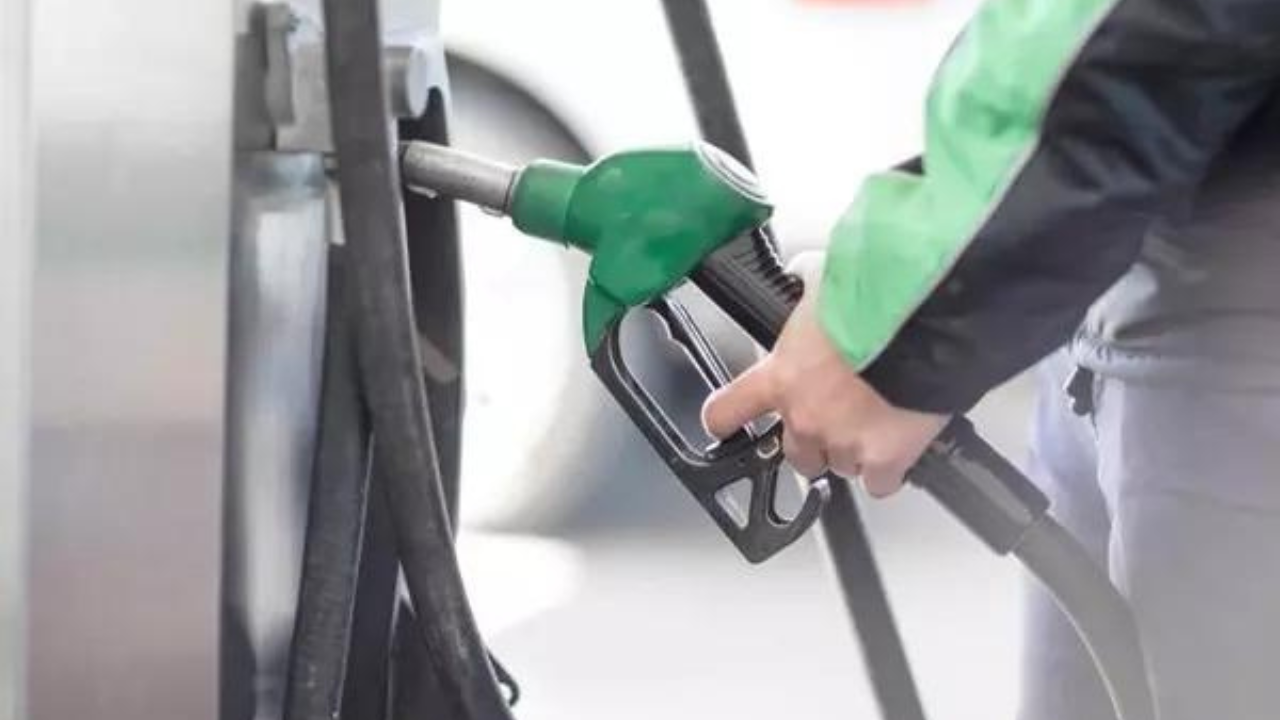
The mandatory blending of 20% ethanol in petrol (E20) in India has sparked debate among vehicle owners, with concerns ranging from reduced mileage to potential engine damage. While automakers and the government defend the policy, citing environmental and economic benefits, many motorists report real-world issues. Here is a factual breakdown of the controversy.
Mileage Concerns
Vehicle owners have widely complained that fuel efficiency has dropped since the nationwide rollout of E20 in April 2025. The government and automobile companies acknowledge a 3-6% reduction in mileage for vehicles not designed for E20, based on a 2021 study by the Automotive Research Association of India (ARAI), Indian Oil Corporation, and SIAM. However, many drivers claim the actual loss is higher. Officials emphasise that mileage also depends on factors like tyre pressure, driving habits, and maintenance.
Engine and Material Impact
The 2021 ARAI study found no significant corrosion or pitting in metal components when using E20. However, it noted that certain rubber parts—such as hoses, gaskets, and O-rings—made of NBR-PVC blend showed deterioration and may need replacement in older vehicles. The government and automakers maintain that vehicles manufactured after April 2023 are fully E20-compliant. Vehicles built before 2013, which were designed for pure petrol (E0), are most vulnerable.
India’s E20 Programme
India achieved 20% ethanol blending ahead of the original 2030 target, thanks to aggressive policy push. The programme aims to reduce oil imports—saving 4.5 lakh barrels per year—and support the agrarian economy. Critics, however, point out that the accelerated timeline left many older vehicles incompatible, causing inconvenience to owners.
Why the Controversy Now?
Although E20 was introduced in phases, full nationwide availability only began in April 2025. This has led to a surge in complaints from owners of pre-2013 vehicles, who now have no choice but to use E20. Additionally, the Bureau of Indian Standards has notified fuel standards for higher blends (E22, E25, E27, E30), raising fears that the government may increase blending further. Officials have not confirmed such plans but have stated any future changes will follow proper research and consultation.
What Lies Ahead
Reverting to lower ethanol blends is unlikely. Experts suggest that the government could offer higher ethanol blends as an optional fuel at pumps, similar to Brazil’s practice, allowing owners of compatible vehicles to choose. This would provide flexibility while continuing the environmental push. For now, vehicle owners are advised to check their vehicle’s compliance and maintain their cars regularly to mitigate any adverse effects.







