MHA Notification: Border State Collectors to Decide CAA Citizenship Applications
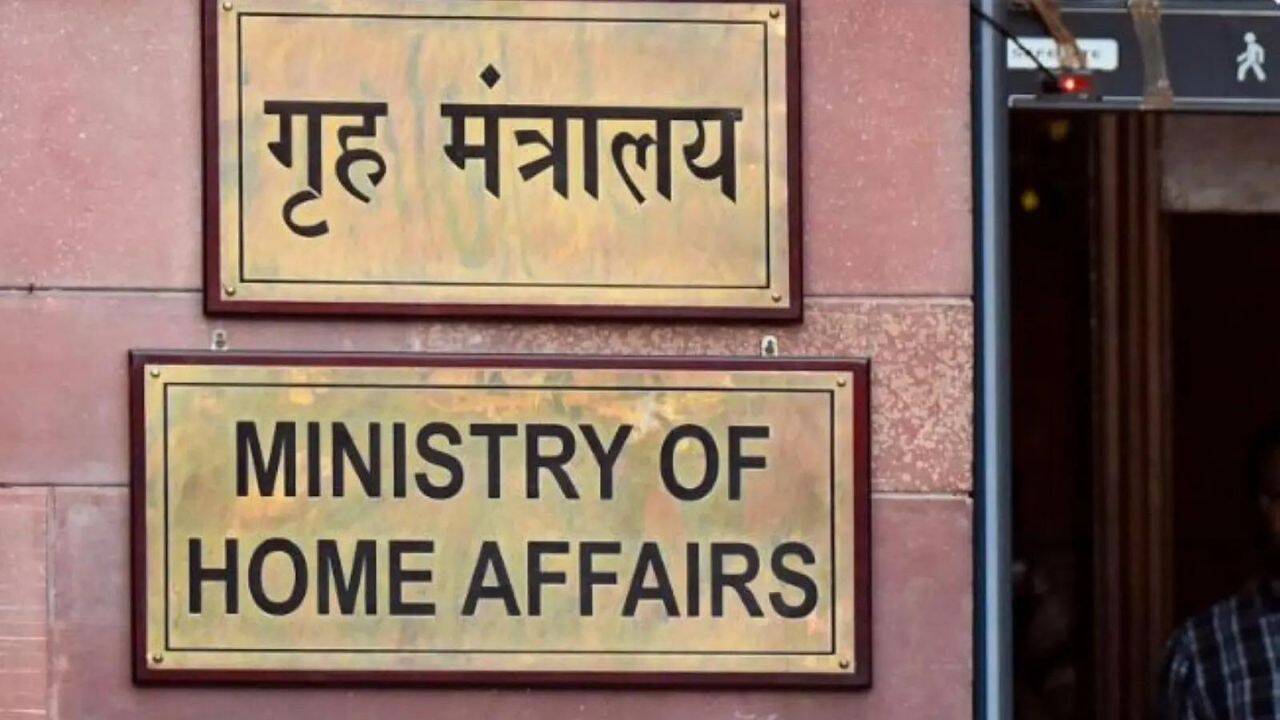
The Ministry of Home Affairs (MHA) has issued a notification stating that collectors in border states will decide citizenship applications made under the Citizenship (Amendment) Act, 2019 (CAA). The notification specifies that the collector may satisfy himself of the suitability of the applicant to be registered or naturalised as an Indian citizen.
The CAA, passed by Parliament in 2019, seeks to grant Indian citizenship to persecuted religious minorities — Hindus, Sikhs, Buddhists, Jains, Parsis, and Christians — from Afghanistan, Bangladesh, and Pakistan who arrived in India on or before December 31, 2014. The Act was implemented through the Citizenship (Amendment) Rules, 2024, notified earlier this year.
Under the new notification, the collector of a district in a border state will act as the authority to process and decide applications. This provision is aimed at ensuring thorough verification and security checks in border areas. The MHA notification states that the collector, after examining the documents and evidence submitted by the applicant, may grant citizenship if he is satisfied about the applicant's eligibility.
Applicants are required to submit their forms online along with supporting documents. The collector is empowered to call for additional information or conduct inquiries if needed. Once satisfied, the collector can order the registration or naturalisation of the applicant as a citizen of India.
The border states include those sharing land borders with Pakistan, Bangladesh, and Myanmar. Districts along the international border in states such as West Bengal, Assam, Punjab, Rajasthan, Gujarat, and the northeastern states will be covered under this provision. The move is part of the government's effort to implement the CAA across the country.
The Act has been a subject of debate. Supporters argue that it provides relief to minorities fleeing religious persecution, while critics contend that it discriminates on the basis of religion and violates the constitutional principle of secularism. Several states have announced that they will not implement the CAA; however, as the Act is a central law, the central government has been proceeding with its implementation.
Officials say that the notification will expedite the process for applicants residing in border districts. The collectors are seen as better placed to verify the credentials of applicants coming from neighbouring countries. The MHA has also appointed other officers as authorities in non-border districts. In places where no collector is available, an officer designated by the central government will handle the applications.
The CAA Rules, 2024, prescribe the forms and procedures for the grant of citizenship. They also allow applicants to apply without a passport or any other document from their country of origin, a departure from standard requirements. The rules provide for a time-bound decision — within 180 days from the receipt of a complete application.
The notification is a significant step in the implementation of the CAA. As applications begin to be processed, attention will focus on how collectors exercise their discretion. The law requires them to be satisfied about the applicant's suitability, and this provision is intended to prevent misuse while ensuring genuine cases are approved.
In the coming weeks, the government is expected to roll out a complete digital infrastructure for submission and processing of applications. This will include a dedicated portal and help centres to assist applicants. The MHA has been conducting training sessions for officers to handle the new responsibilities.
The CAA has been challenged in the Supreme Court, and a final verdict is pending. Meanwhile, the government maintains that the law is constitutionally valid and necessary for the protection of minority rights in the region.
The decision to empower collectors in border states reflects the government's focus on national security while implementing the citizenship law. It remains to be seen how this provision works in practice and how the applications are disposed of.







